The Ring of Fire
@theringoffire·1.4M subscribers·27K videos
Big Pharma At It Again! Over 700 Meds Get Price Hikes In 2024
Posted
January 28, 2024
Views
8,802
Likes
976
Comments
120
Engagement
January 28, 2024
8,802
976
120
12.45%
Every word spoken in this episode is indexed. Type any phrase to jump straight to the moment it was said.
Type any word or phrase that may have been spoken. Click a result to seek the player to that exact moment.
Try a name, a topic, or a quoted line
See what was published immediately before and after this episode.
 5:10Now Playing
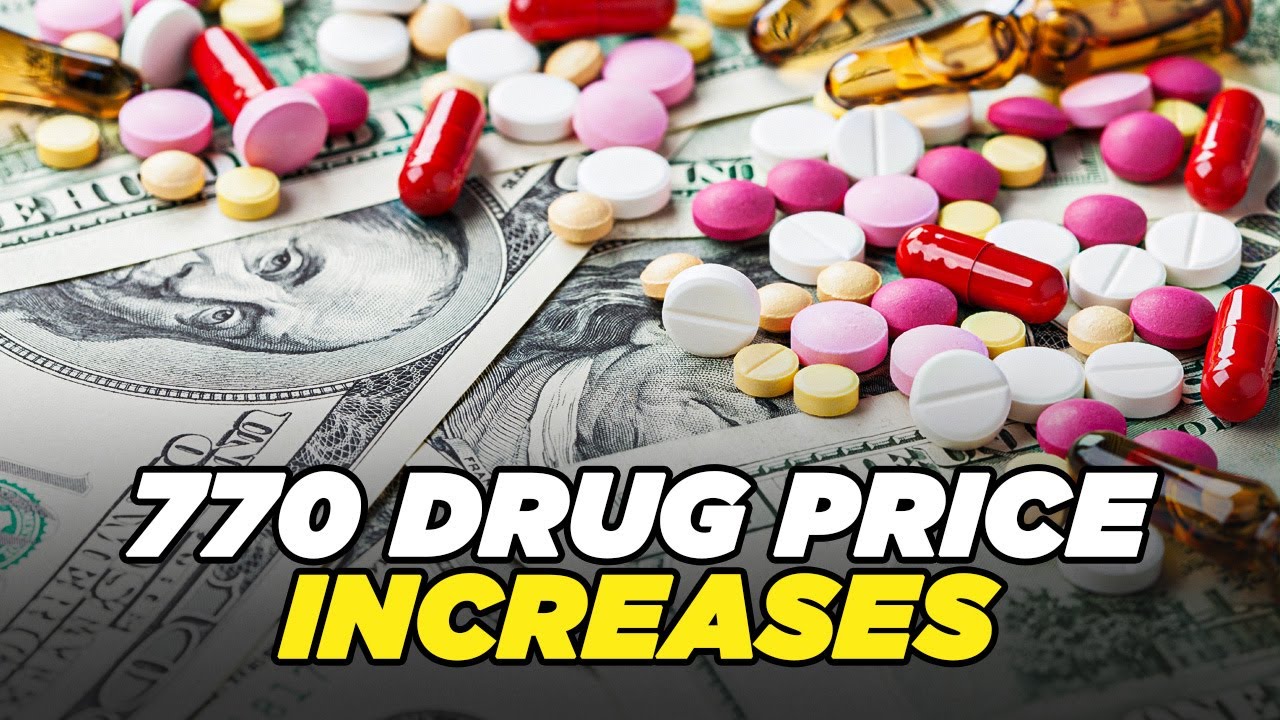
We’re only a few weeks into the New Year, but drug companies aren’t wasting any time raising their prices. So far in 2024, close to 800 different drugs have had their prices raised, and more price increases are planned for later this year. Mike Papantonio & Farron Cousins discuss more.
Check out our merch by visiting our store
Subscribe to our podcast
Become a member today!
Support us by becoming a monthly patron on Patreon, and help keep progressive media alive!
Spread the word! LIKE and SHARE this video or leave a comment to help direct attention to the stories that matter. And SUBSCRIBE to stay connected with Ring of Fire's video content!
Support Ring of Fire by subscribing to our YouTube channel
Be sociable! Follow us on:
*This transcript was generated by a third-party transcription software company, so please excuse any typos.
We're only a few weeks into the new year, but drug companies aren't wasting any time raising their prices. So far in 2024, close to 800 different drugs have had their prices raised and more price increases are planned for later this year. All right, wow. Okay. First of all, what are the drugs that they're raising prices on? Okay. Trikafta, for example. Okay. Is it Trikafta? Yeah, Trikafta. It's a cystic fibrosis drug. Okay. It costs $26,000, $26,000 for a 28 day supply. You've got Fasenra. Fasenra is a drug that has to do with asthma, kids suffering from asthma. It's $5,000 a month just to have it, to have access to it. Look, I'm so tired of hearing these drug companies, this is, oh, well, it's research and development. BS. This is not research and development issues. This is, they're spending money advertising. If you turn on television, every three minutes there's a drug advertisement. So that's where the money is being spent. But I see Congress, oh, we had a great victory this year. We controlled 10, the price of 10 drugs. Let's talk, pick it up there.
Yeah. Look, we sit here like clockwork every January, and we do this story every single year and we have for about seven years now that we've been doing this show, talking about the latest drugs that these pharmaceutical companies raise the prices on, because they do it like clockwork. You can schedule your watch to it. They raise the prices every single January. Now, what most people don't pay attention to is that they do it again in June or July. They make the big headlines in January for about a day and a half. Everybody forgets about it. They're gonna do it again middle of the year. They do it every year. You and I have been following this long enough. We see the patterns emerge here. But, and people may think, okay, well look at some of these prices. They're only raising 'em 4% here, maybe 6%, some of them 10%. But when you do that every single year, that four to eight to 16, we are talking about in the span of less than a decade, the prices of these drugs will be a hundred percent more than what they are today. Because they can get away with it and nobody's stopping 'em.
This year it's 10%. Okay. It's usually 6%, 5%, this year it's 10%. They're just going for it. And we don't, US government don't, here's their argument. Well, it's okay because insurance pays it. Well, really? That's the whole problem with the healthcare system. Insurance, well, let's just pass it on to the insurance company. They're gonna pay it. And with PBMs, we've talked about before, there is no way to control this. PBM is, it's just almost like mobsters moving into the pharmaceutical industry. That's what a PBM is. It is absolute mobster quality kind of work. And we've got several cases pending against PBMs right now. Most people don't even know what a PBM is. Talk about that a little bit.
Yeah. The pharmacy benefit manager, and we've discussed it recently, and what they do is they kind of act as the middle person between the pharmacies and the insurance companies as well as the drug companies. But what most people don't understand is that these people get a cut. You know, whatever we can increase the price for the consumer, I'm gonna get a kickback. I'm gonna get these rebates, I'm gonna get more money. So if I raise your prices. And they're also bullies. So not only do they have a hand in the price gouging, they also go to the insurance companies and say, listen, you have to cover this drug and you cannot cover this drug. If you do this, bad things will happen. If you do not play ball with us here, bad things are gonna happen.
Sentinel Indexing in Progress
Metadata and chapters are available. Claim extraction for this episode is pending.
All video content is delivered via YouTube embedded players in accordance with the YouTube Terms of Service. Sentinel provides research tools that promote discovery and accountability across political media.