The Ring of Fire
@theringoffire·1.4M subscribers·27K videos
FDA Is Allowing Big Pharma To Use 70's Data To Pass Inspections
Posted
July 3, 2025
Views
7,930
Likes
861
Comments
49
Engagement
July 3, 2025
7,930
861
49
11.48%
Every word spoken in this episode is indexed. Type any phrase to jump straight to the moment it was said.
Type any word or phrase that may have been spoken. Click a result to seek the player to that exact moment.
Try a name, a topic, or a quoted line
 16:49Now Playing
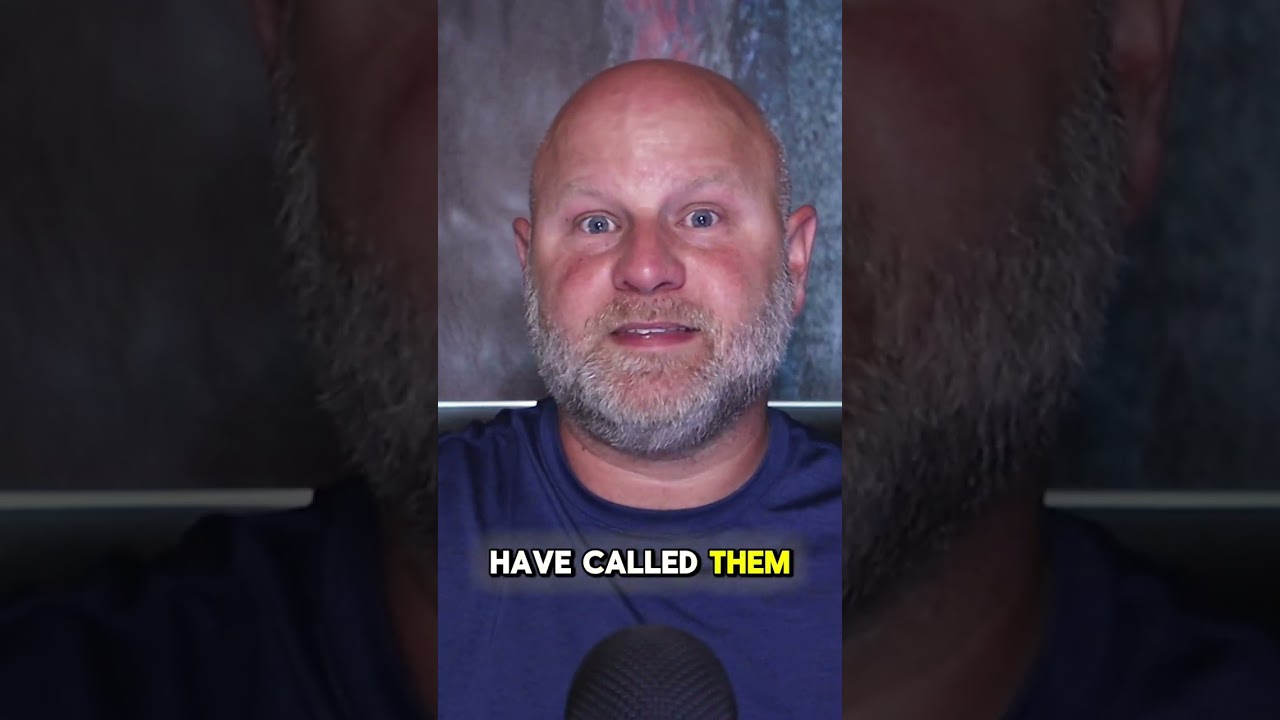
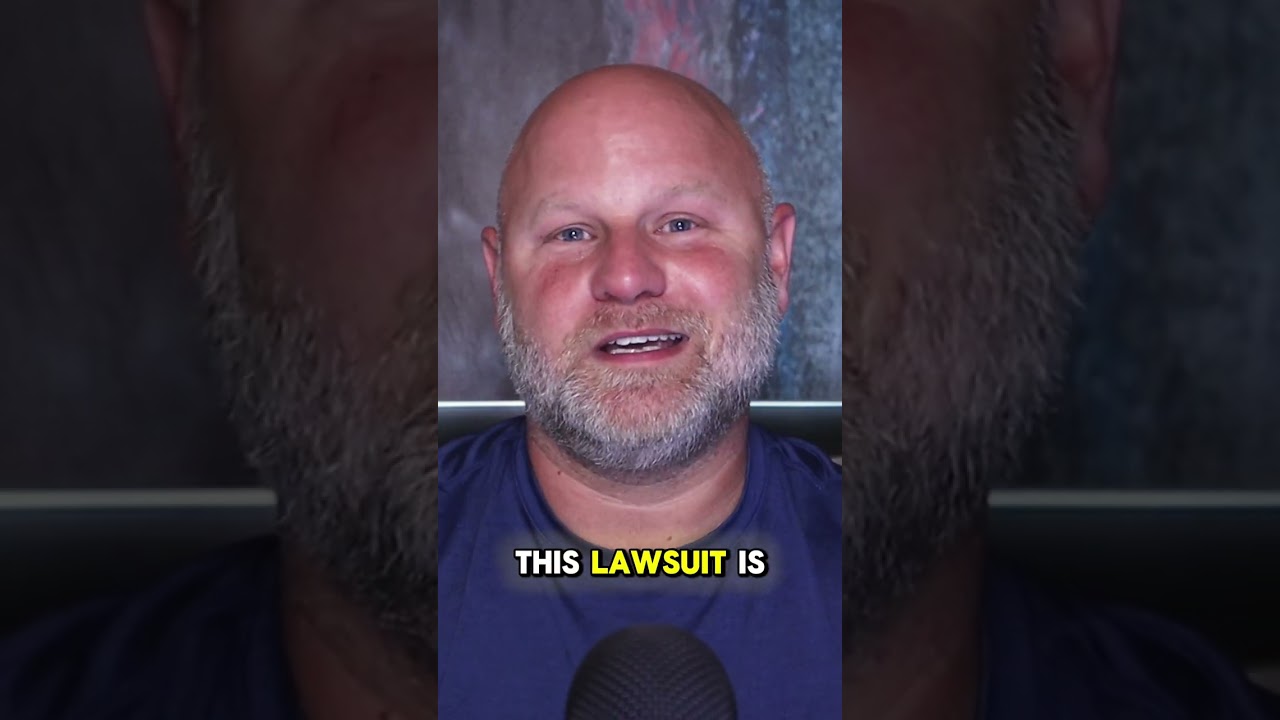
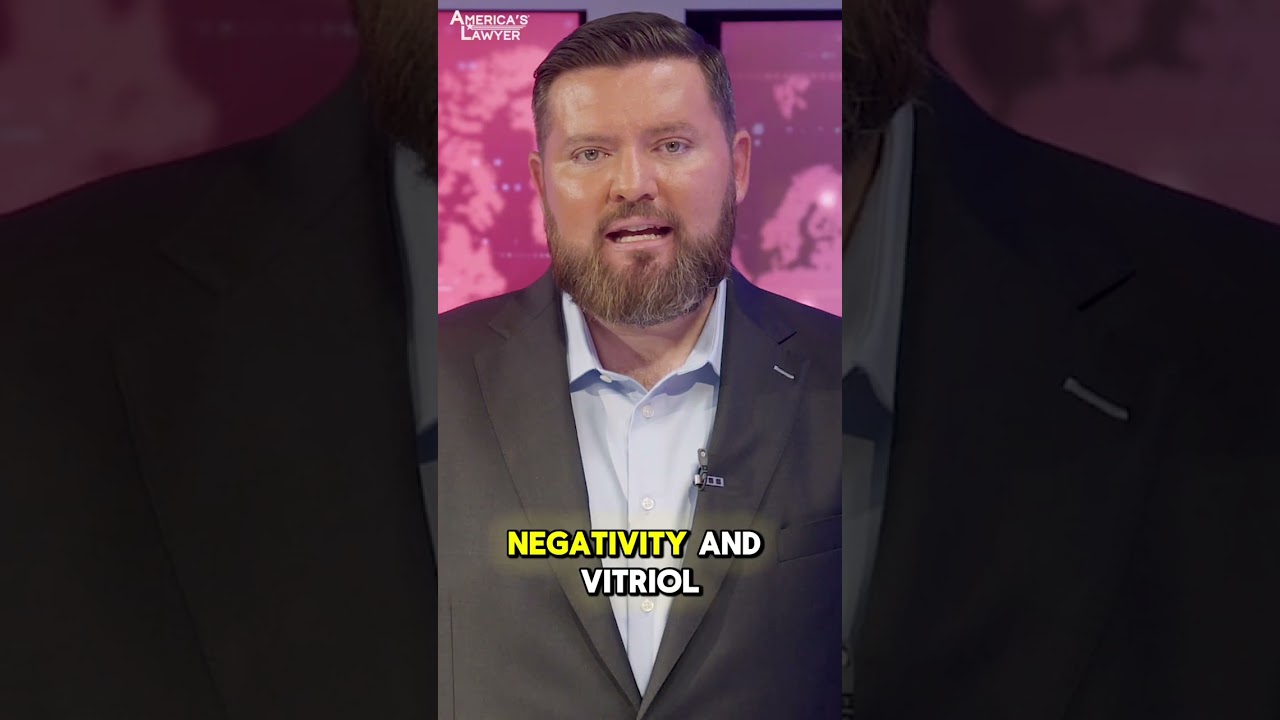
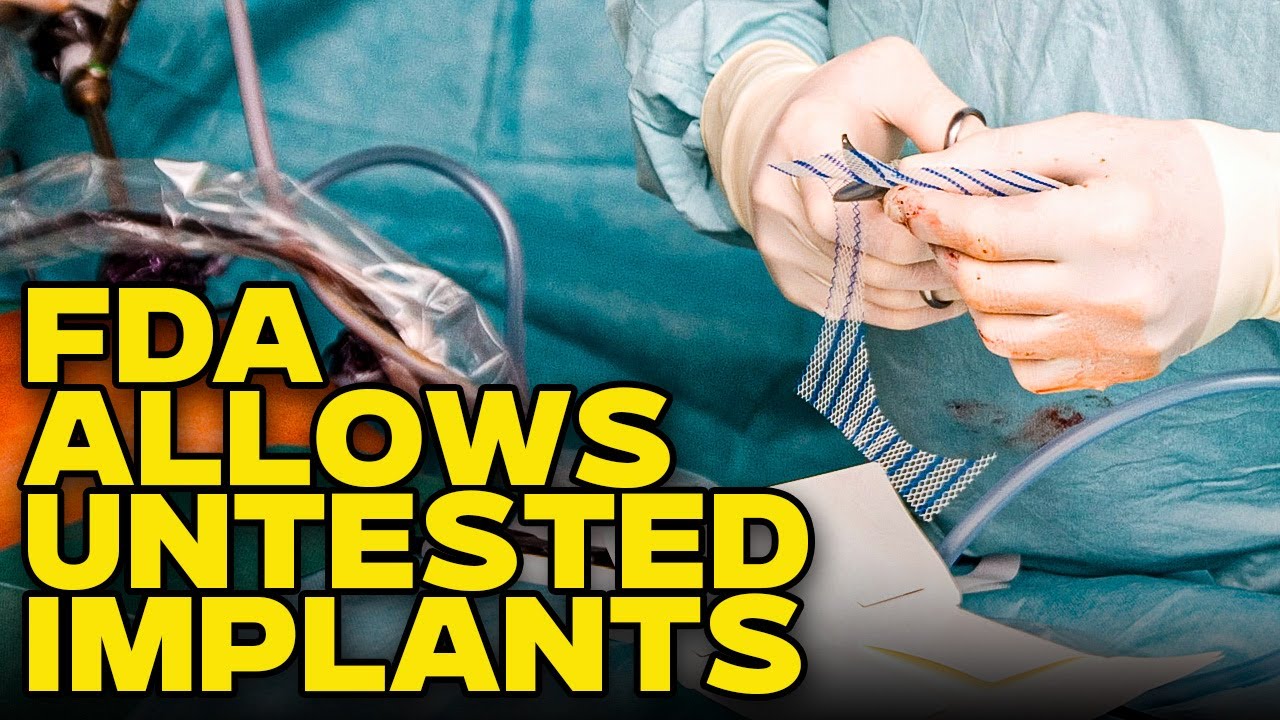
Medical devices are like the wild west. in order to get onto the market, the manufacturer just has to show that that device is substantially equivalent to a device that's already on the market. What's disturbing about it is that these manufacturers can piggyback off of devices that entered the market before 1976 and that predicate device can be a device that was recalled from the market. Caleb Cunningham is joined by Kelsey Stokes, a medical device attorney with the law firm of Fleming, Nolan and Jez, to explain more.
Subscribe to stay connected to our stories
Support us by becoming a member on YouTube
Or Support us on Patreon
Buy Ring of Fire merch
Find us on social media!
*This transcript was generated by a third-party transcription software company, so please excuse any typos.
Joining us today is Kelsey Stokes, a medical device attorney with the law firm of Fleming, Nolan and Jez out of Houston, Texas. Very honored to have you here on the show today. I've had the privilege of going to trial with you. You're one of the best in the business. Really excited to have you on.
Thank you so much, Caleb. I'm so honored to be on the show. I'm a real fan. I don't know if the viewers know, but your shirts, America's Lawyer shirts, they're very comfortable. I wear them everywhere. So I'm very honored to be on this show. Yeah, medical devices are a unique animal. They're different from drugs in the sense of the regulations that govern them. In a lot of ways, medical devices are like the wild west, and it's actually really disturbing to most people who make the mistake of striking up a conversation with me and ask me what I do for a living. Inevitably, somebody will have a knee implant and they'll say, well, wait a second. I thought that these devices were approved by the FDA, I thought they were safe. And I then have to tell them, actually not so much.
So the way that devices enter the market, if they're considered a Class II device, so most implantable devices are Class II devices. And what that means is, in order to get onto the market, the manufacturer just has to show that that device is substantially equivalent to a device that's already on the market. Now, the device, that's called the predicate device, and it essentially piggybacks off of an earlier device. What's disturbing about it is that these manufacturers can piggyback off of devices that entered the market before 1976. And that's important because if they were on the market before the Medical Device Amendments Act, the Medical Device Act of 1976, then they can get grandfathered in. In other words, no safety testing, no clinical trials, nothing. They get grandfathered in. And so a manufacturer in 2025 can actually claim that they are substantially equivalent to a device that dates all the way back to a pre 1976 device.
Well, and that's got to be shocking to so many viewers is that things that are coming out, as you said in 2025, are purposely saying in documents to the United States government, oh, we're substantially the same as a device that existed in the early seventies, so that it predates the regulations that provide safety for all of us.
Oh, that's right. And what's even more disturbing is that that predicate device can be a device that was recalled from the market. So devices that are being implanted into human beings intended for permanent implantation, traced back in many instances to a recalled device. It's very disturbing. Also disturbing is when I talk to surgeons, they are shocked. They are shocked to hear that the FDA does not, quote, approve the devices, and in fact, they're only cleared. The other significant thing to know about that, Caleb, is that when a device is 510(k) cleared, it does not speak to safety or efficacy. The only thing that speaks to safety or efficacy are when a company goes through what's known as the pre-market approval process or PMA, and that's when the device is classified as a Class III. So if it is a 510(k) device, again, no requirement for human testing, no requirement that it be tested for safety or efficacy as long as it's similar to something that's been on the market since the seventies.
I will also say something that is very misunderstood is the concept of withdrawals. The concept of recalls. The FDA is only as good as what the manufacturer gives them, and they rely on adverse event reports, and that system is flawed.
Sentinel Indexing in Progress
Metadata and chapters are available. Claim extraction for this episode is pending.
All video content is delivered via YouTube embedded players in accordance with the YouTube Terms of Service. Sentinel provides research tools that promote discovery and accountability across political media.