United States Institute of Peace
@unitedstatesinstituteofpeace·110K subscribers·2.2K videos
Civil Resistance Transitions: Dialogue, Trust and Democracy
Posted
April 20, 2021
Views
2,095
Likes
20
Engagement
0.95%
April 20, 2021
2,095
20
0.95%
Every word spoken in this episode is indexed. Type any phrase to jump straight to the moment it was said.
Type any word or phrase that may have been spoken. Click a result to seek the player to that exact moment.
Try a name, a topic, or a quoted line
 58:09Now Playing
Part Three in a Series on People Power, Peace, and Democracy
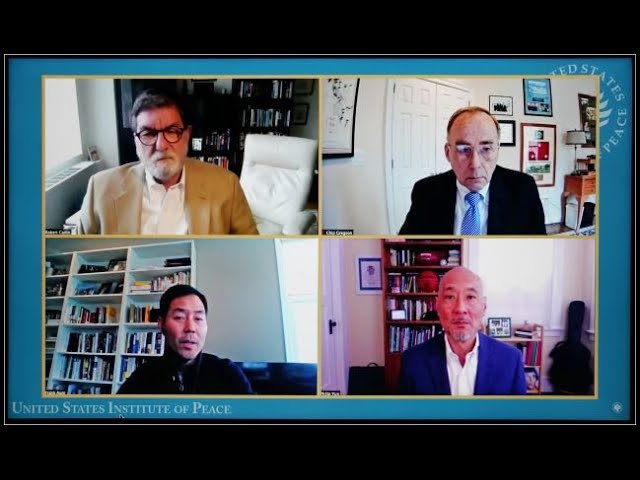
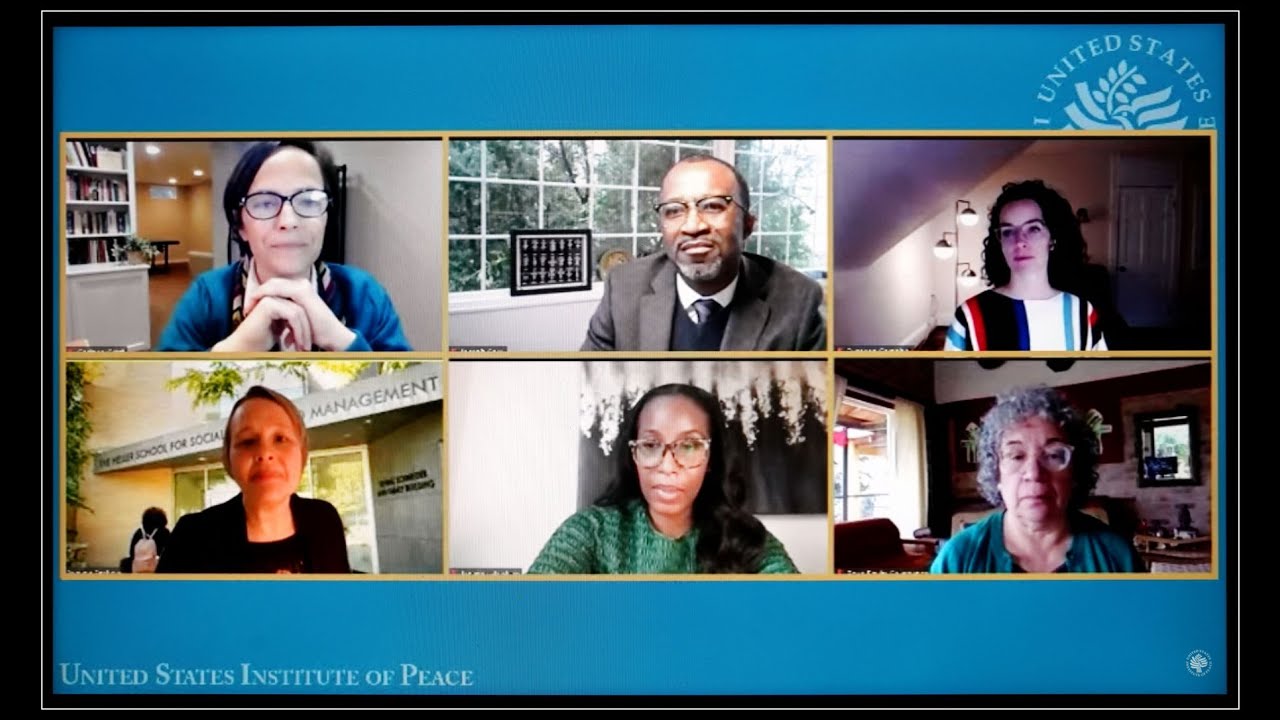
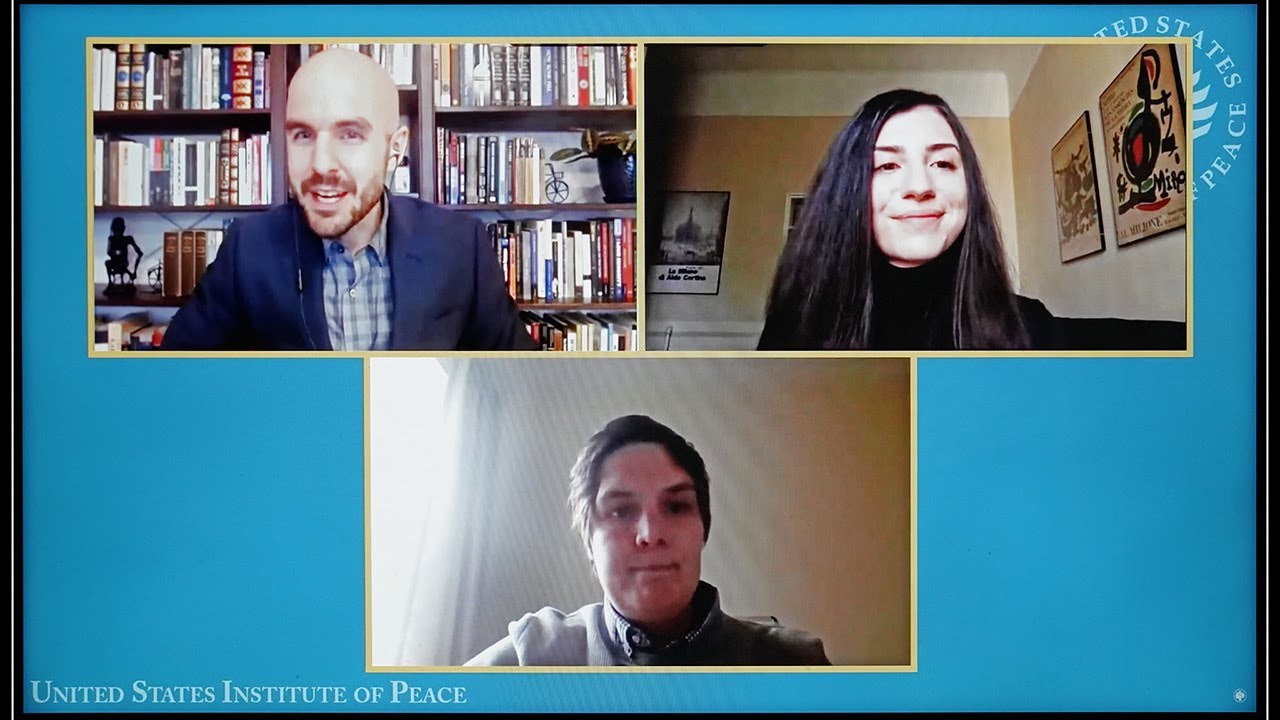
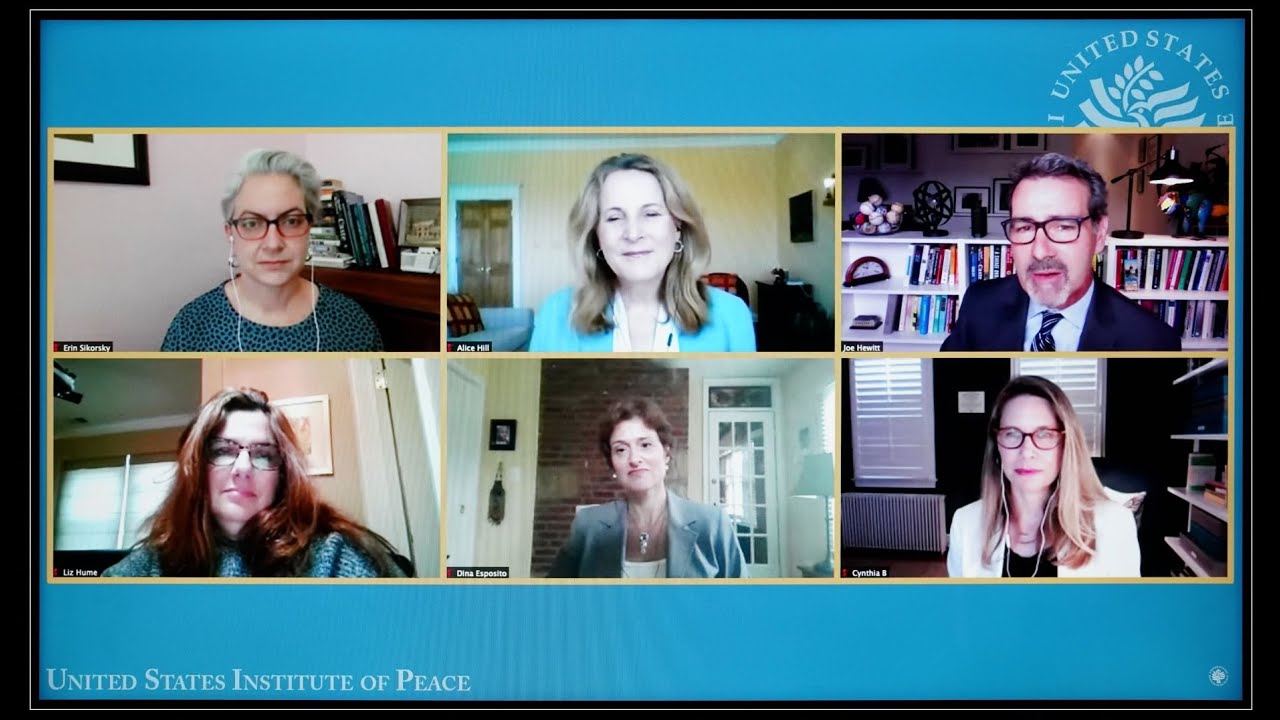
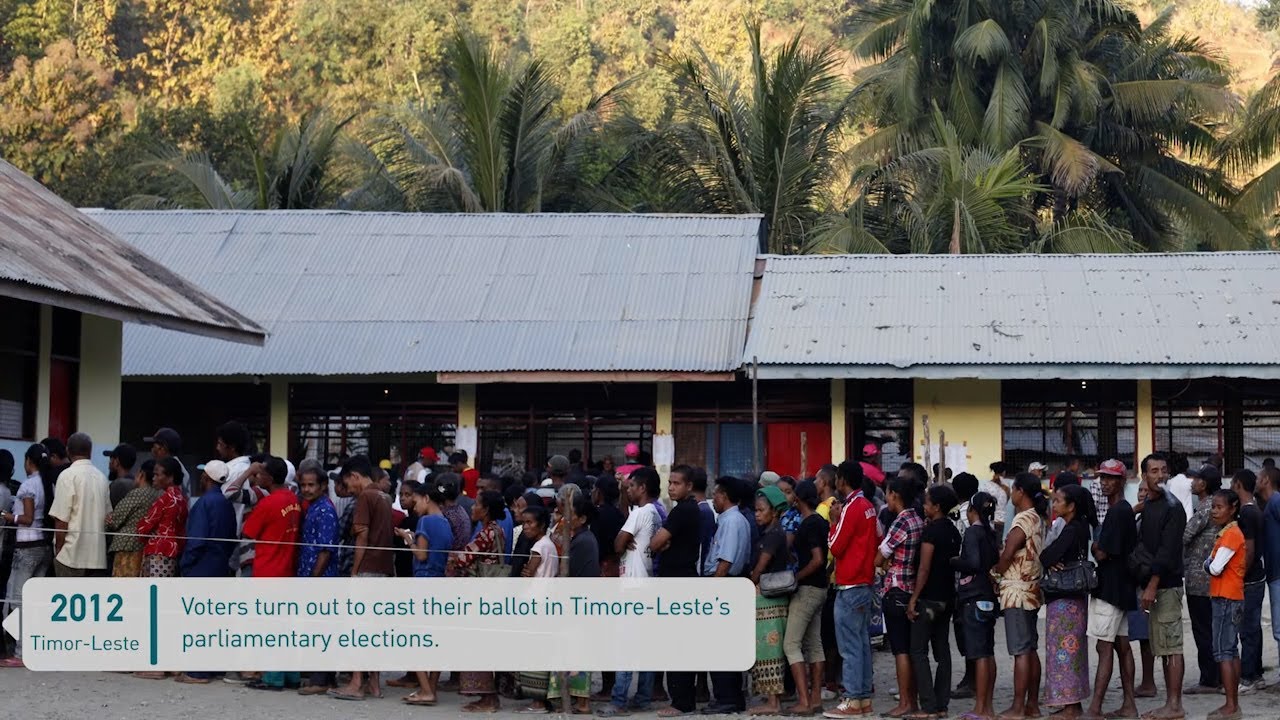
Political transitions initiated through nonviolent action are more than three times as likely to end in peace and democracy than any other form of transition. Yet prominent cases such as the “Arab Spring” revolutions in Egypt and Syria — in which nonviolent action resulted in returns to authoritarianism or devastating civil war — show that this relationship is far from easy or direct. And even when some form of democracy is achieved, many young democracies struggle to gain the trust necessary for long-term peace and stability. How can movements navigate this uncertain road from a breakthrough against authoritarianism to long-term sustainable democracy?
To better understand the intersection of nonviolent action and peace processes, USIP and the Berghof Foundation hosted the third in a series of four events on people power, peace and democracy. The event series highlighted multiple groundbreaking research projects and featured insights from activists, international practitioners and policymakers that provided viewers with actionable takeaways.
Featuring new USIP research on the crucial role of inclusive dialogue and negotiation processes, this event looked at the characteristics of peace processes that most successfully foster citizen trust in a renewed social compact and long-term sustainable democratization. The discussion also provided key insights and recommendations for activists and external peacebuilding actors working to ensure successful dialogue and foster democratic outcomes — as well as how to apply those insights and recommendations in on-the-ground cases.
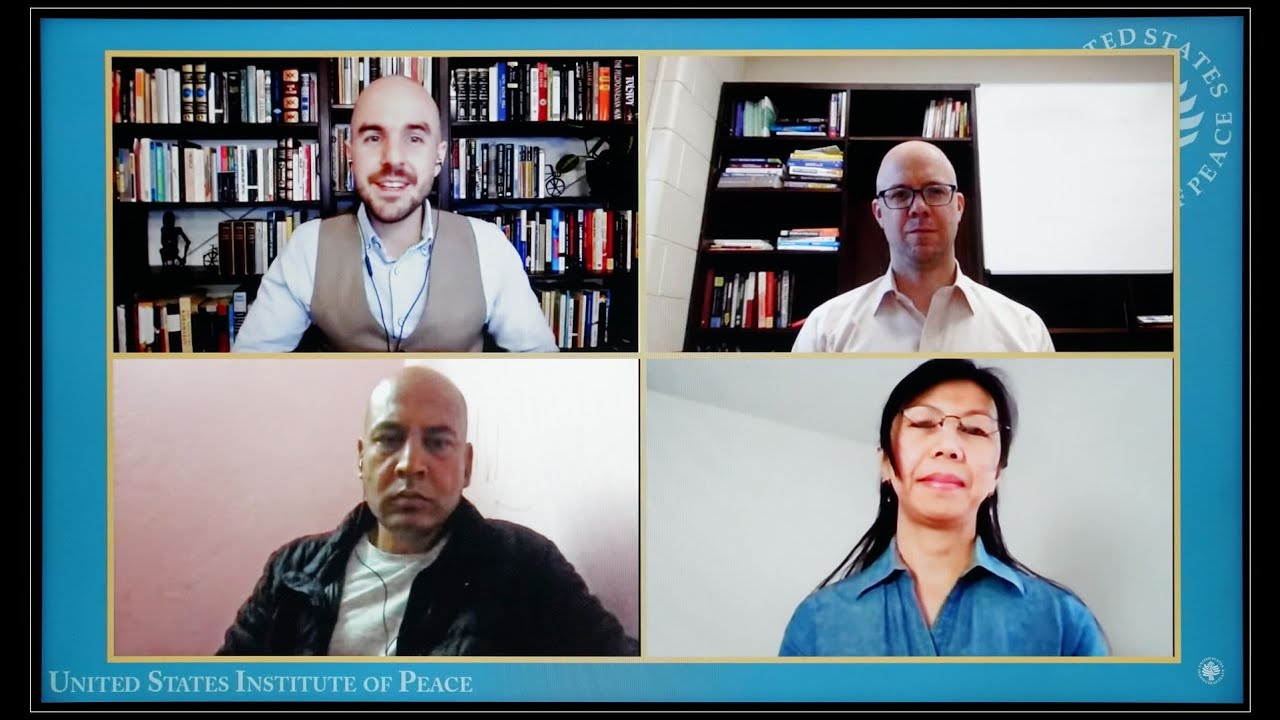
Speakers:
Zied Boussen
Tunisian Activist and Researcher
Veronique Dudouet
Senior Research Advisor, Berghof Foundation
Zahra Hayder
Sudanese Activist and Organizer
Roman-Gabriel Olar
Assistant Professor, Trinity College Dublin
Jonathan Pinckney
Senior Researcher, Nonviolent Action, U.S. Institute of Peace
Lise Grande, moderator
President and CEO, U.S. Institute of Peace
For more information about this event, please visit
Connect with us!
Subscribe to our YouTube channel
Newsletters
The United States Institute of Peace is a national, nonpartisan, independent institute, founded by Congress and dedicated to the proposition that a world without violent conflict is possible, practical, and essential for U.S. and global security. In conflict zones abroad, the Institute works with local partners to prevent, mitigate, and resolve violent conflict. To reduce future crises and the need for costly interventions, USIP works with governments and civil societies to help their countries solve their own problems peacefully. The Institute provides expertise, training, analysis, and support to those who are working to build a more peaceful, inclusive world.
Sentinel Indexing in Progress
Metadata and chapters are available. Claim extraction for this episode is pending.
All video content is delivered via YouTube embedded players in accordance with the YouTube Terms of Service. Sentinel provides research tools that promote discovery and accountability across political media.