United States Institute of Peace
@unitedstatesinstituteofpeace·110K subscribers·2.2K videos
Nonviolent Action and Minority Inclusion
Posted
May 11, 2021
Views
1,493
Likes
14
Comments
1
Engagement
May 11, 2021
1,493
14
1
1.00%
Every word spoken in this episode is indexed. Type any phrase to jump straight to the moment it was said.
Type any word or phrase that may have been spoken. Click a result to seek the player to that exact moment.
Try a name, a topic, or a quoted line
 1:00:20Now Playing
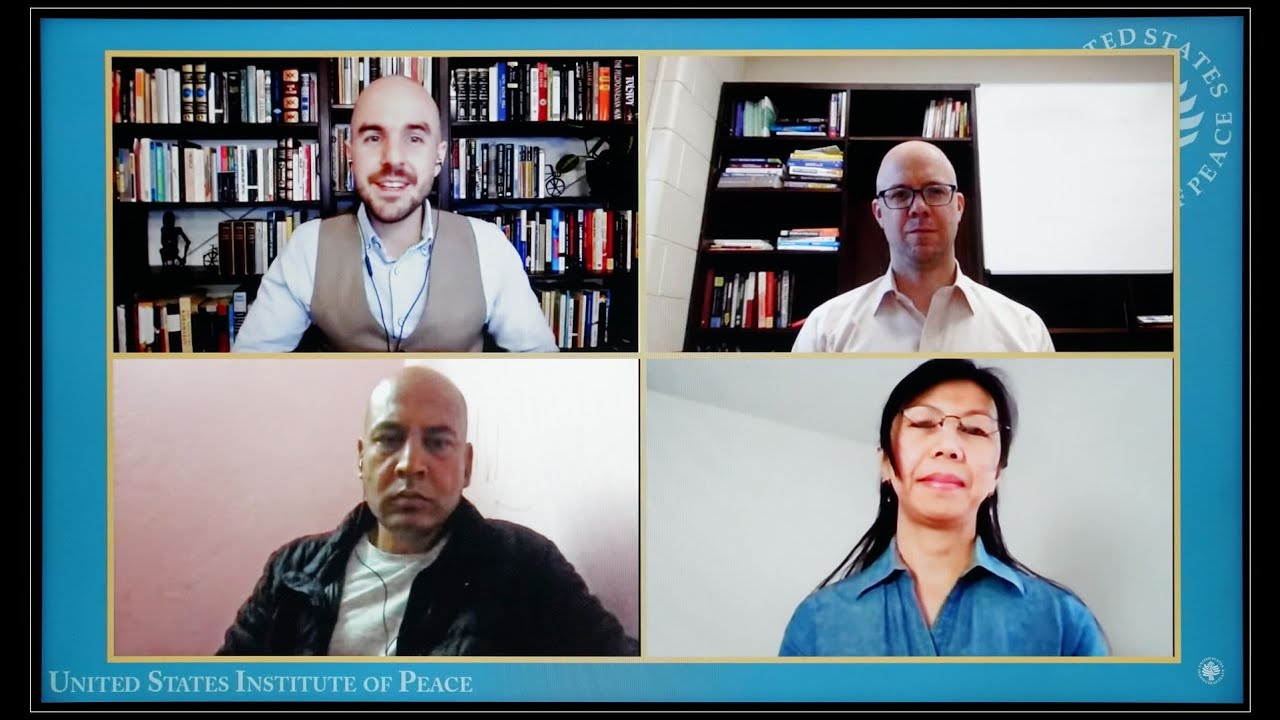
Part Four in a Series on People Power, Peace, and Democracy
Mass movements employing nonviolent action have a demonstrated track record of improving democracy. But how deep and meaningful are these changes? Does nonviolent action merely change political institutions, or can it also address deeper drivers of social and political conflict, particularly for the most marginalized?
To better understand the intersection of nonviolent action and peace processes, USIP hosted the final event in a series on people power, peace and democracy. The event series highlighted multiple groundbreaking research projects and featured insights from activists, international practitioners and policymakers that provided viewers with actionable takeaways.
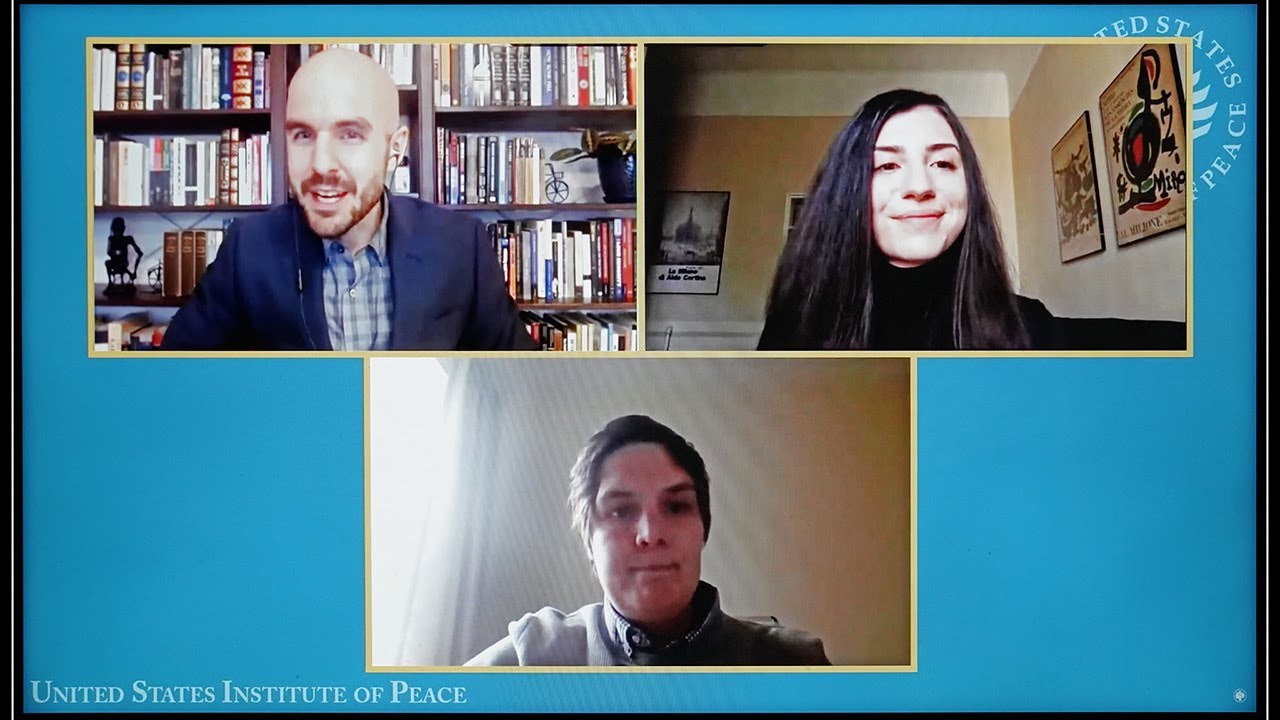
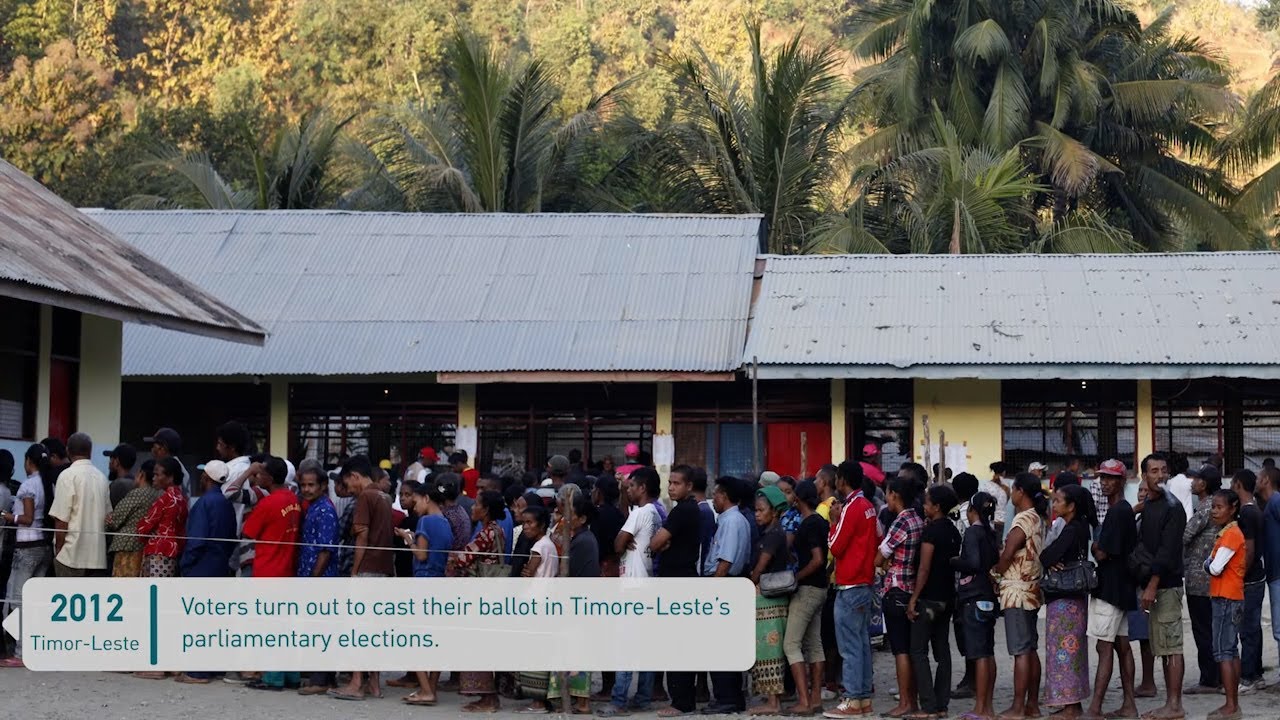
This USIP event featured lessons learned from cutting-edge research showing how nonviolent action affects political and economic inequality — particularly for historically excluded social and ethnic groups — using a cross-national statistical study and in-depth case studies from recent political transitions in Nepal and Indonesia. The research also specifically examined how movements can employ dialogue, negotiation and mediation to better ensure that political transitions following nonviolent action campaigns lead to greater inclusion for marginalized groups. This event explored the important implications for both policy and practice in ensuring more inclusive democratization processes in the aftermath of nonviolent action.
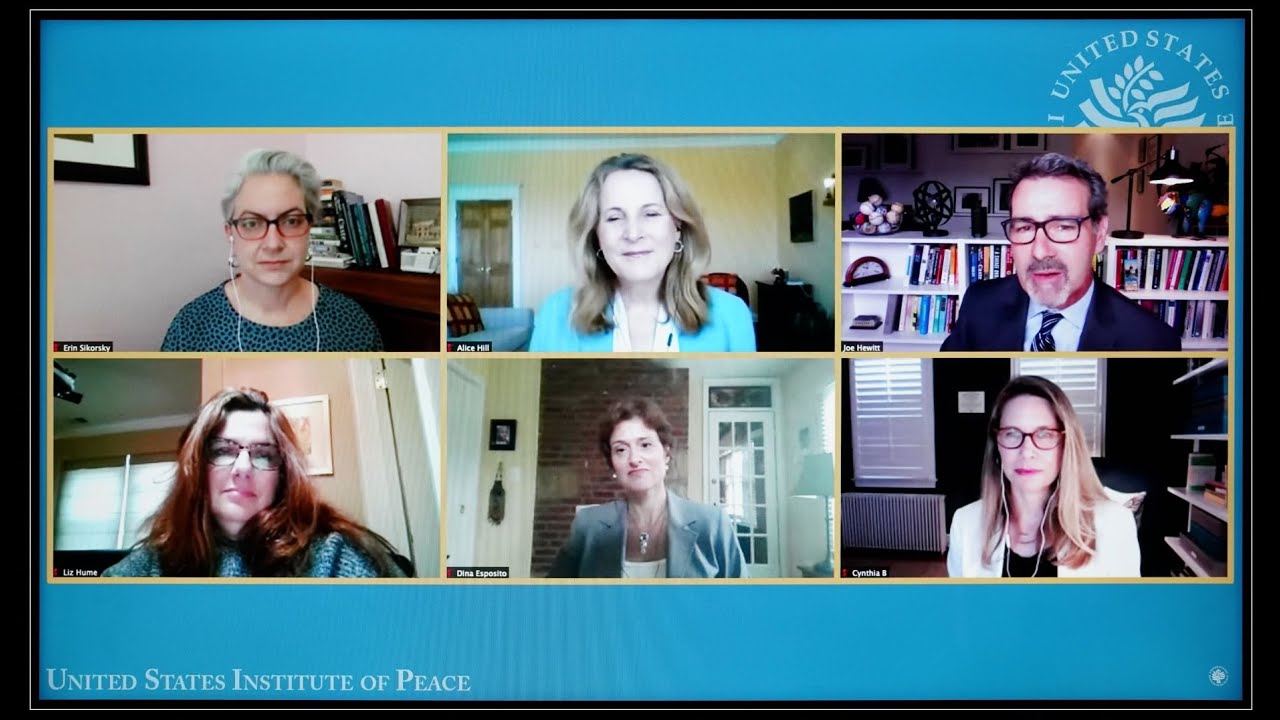
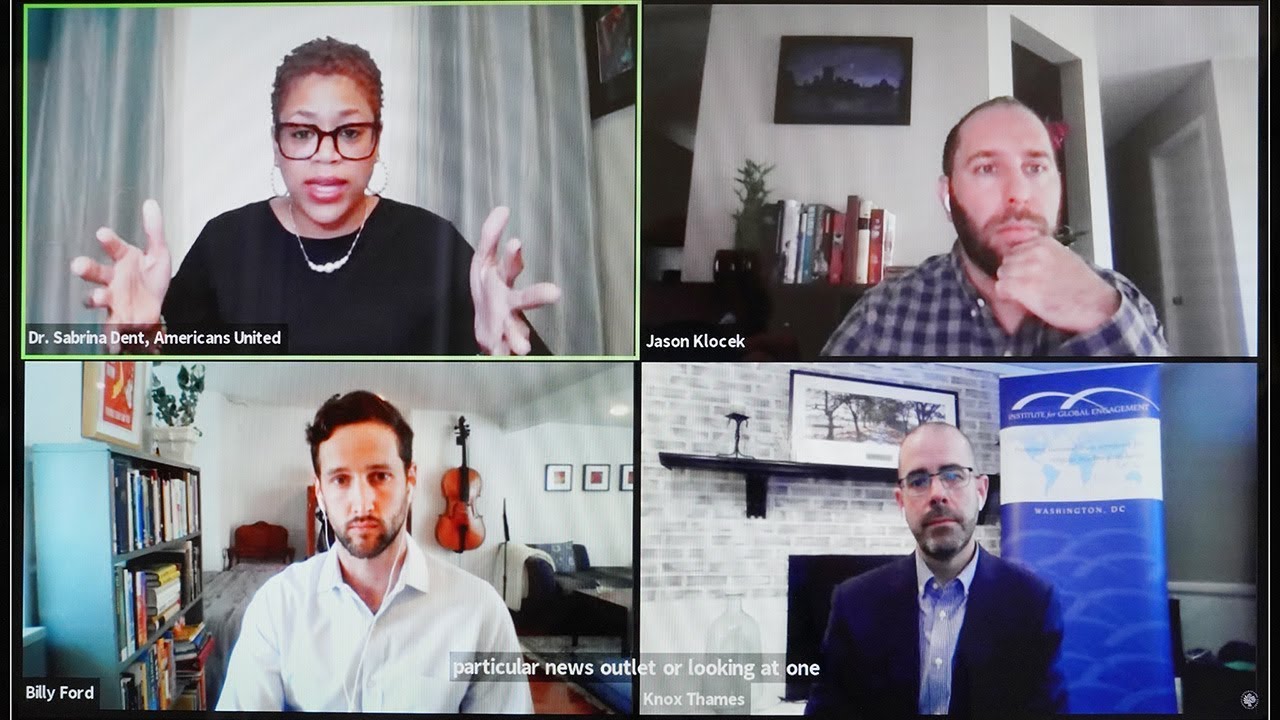
Speakers:
Jonathan Pinckney, moderator
Senior Researcher, Nonviolent Action, U.S. Institute of Peace
Mohna Ansari
Member, National Human Rights Commission of Nepal
Subindra Bogati
Founder and Chief Executive, Nepal Peacebuilding Initiative
Titik Firawati
Ph.D. Candidate in Political Science, Northern Illinois University
Rosa Emilia Salamanca
Director, Institute for Social and Economic Research and Action
Deepak Thapa
Director, Social Science Baha
Ches Thurber
Assistant Professor, Northern Illinois University
For more information about this event, please visit
Connect with us!
Subscribe to our YouTube channel
Newsletters
The United States Institute of Peace is a national, nonpartisan, independent institute, founded by Congress and dedicated to the proposition that a world without violent conflict is possible, practical, and essential for U.S. and global security. In conflict zones abroad, the Institute works with local partners to prevent, mitigate, and resolve violent conflict. To reduce future crises and the need for costly interventions, USIP works with governments and civil societies to help their countries solve their own problems peacefully. The Institute provides expertise, training, analysis, and support to those who are working to build a more peaceful, inclusive world.
Sentinel Indexing in Progress
Metadata and chapters are available. Claim extraction for this episode is pending.
All video content is delivered via YouTube embedded players in accordance with the YouTube Terms of Service. Sentinel provides research tools that promote discovery and accountability across political media.