United States Institute of Peace
@unitedstatesinstituteofpeace·110K subscribers·2.2K videos
Incorporating Religious Sensitivity in Trauma Healing for Displaced Persons (Spanish Language)
Posted
October 19, 2021
Views
574
Likes
10
Engagement
1.74%
October 19, 2021
574
10
1.74%
Every word spoken in this episode is indexed. Type any phrase to jump straight to the moment it was said.
Type any word or phrase that may have been spoken. Click a result to seek the player to that exact moment.
Try a name, a topic, or a quoted line
 1:07:50Now Playing
Contributions of Religion to Psychosocial Support and Mental Health for Migrants and Refugees
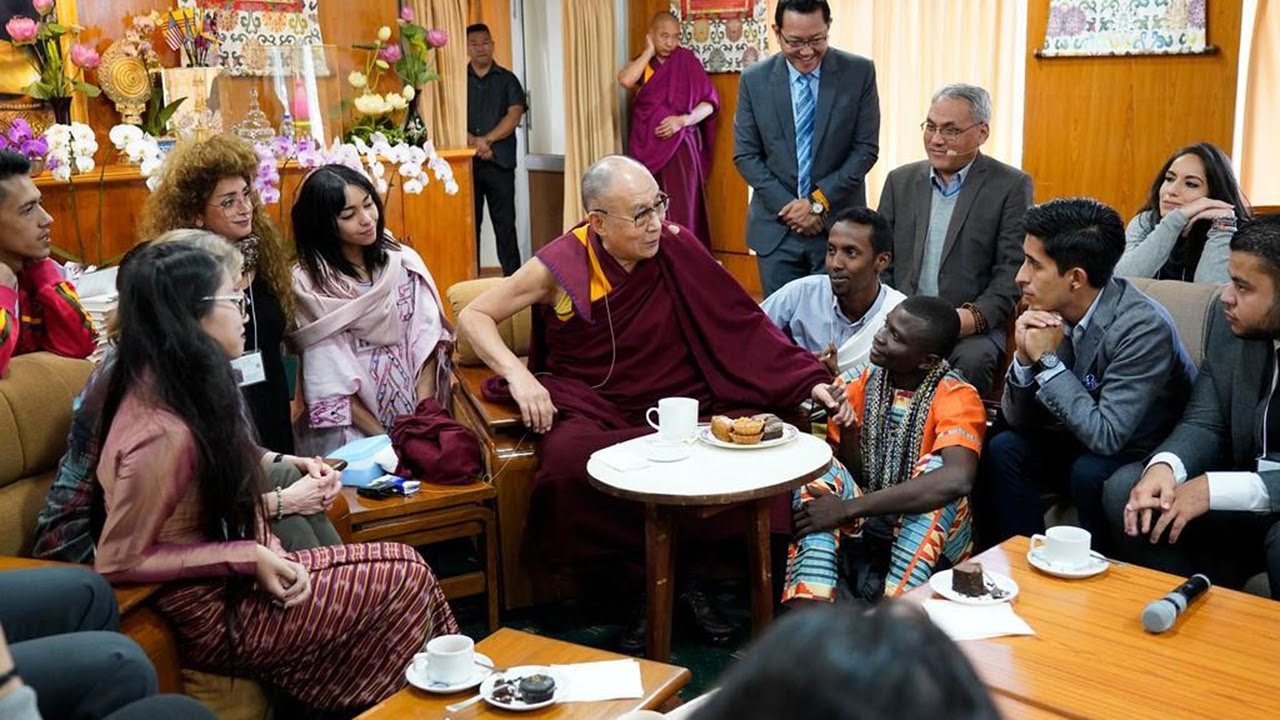
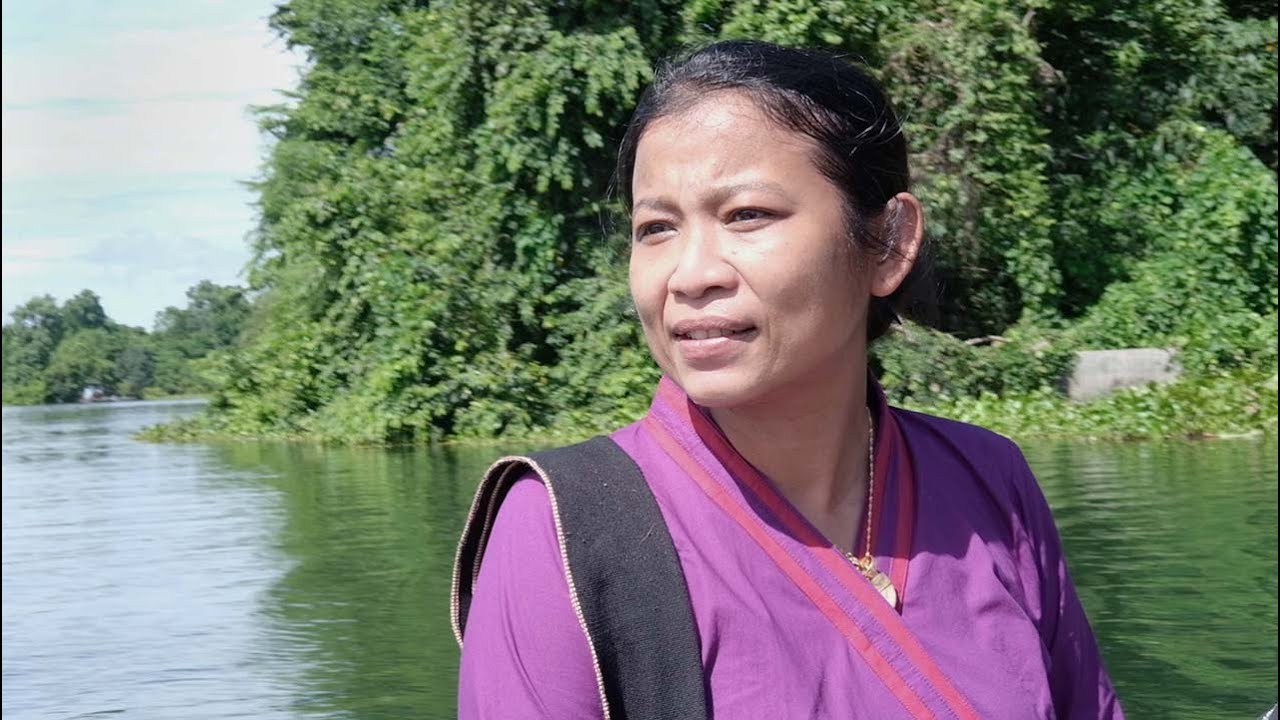
With 84% of the global population identifying with a religious group, what effect can religion have on mental health service provision? Despite growing evidence that faith and spirituality play a vital role in helping individuals cope with mental health problems and illness, there is insufficient guidance on how psycho-spiritual interventions can be best utilized. Crucially, in refugee and migrant populations, faith-sensitive mental health and psychosocial support (MHPSS) has the potential to open pathways to care by offering connection, healing and support — making it a key factor in scaling up the quality of and access to MHPSS.
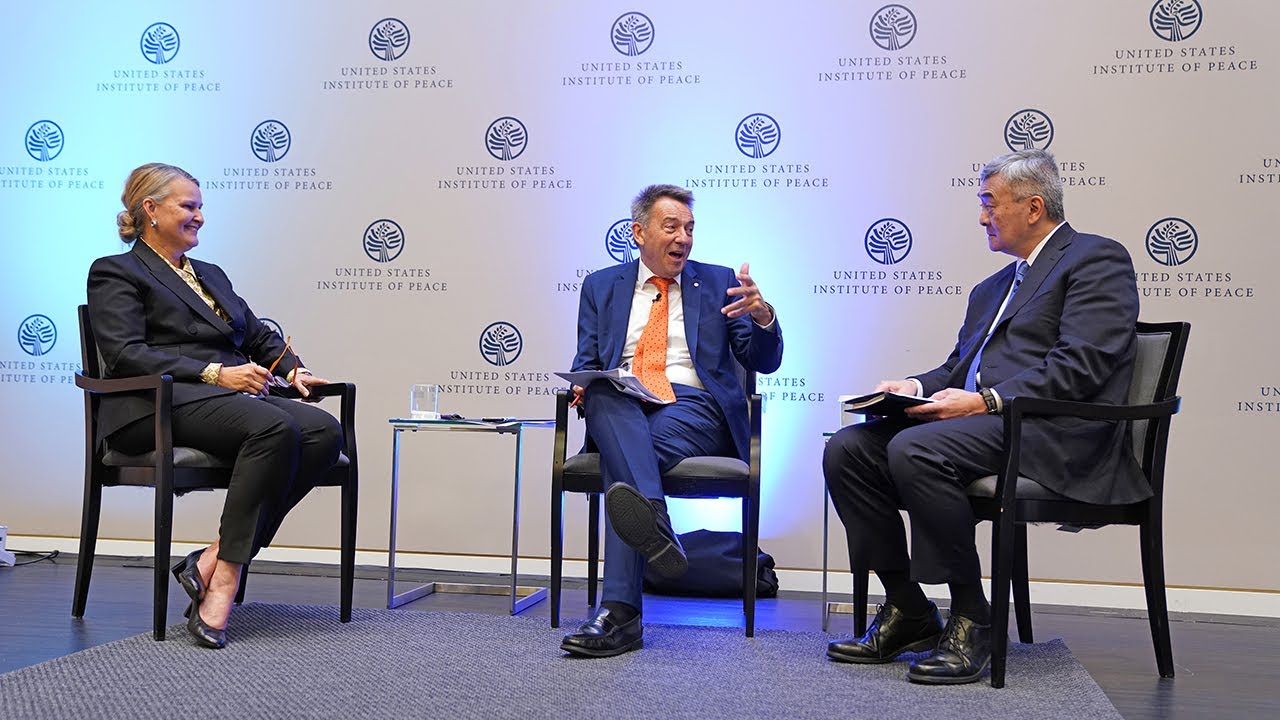
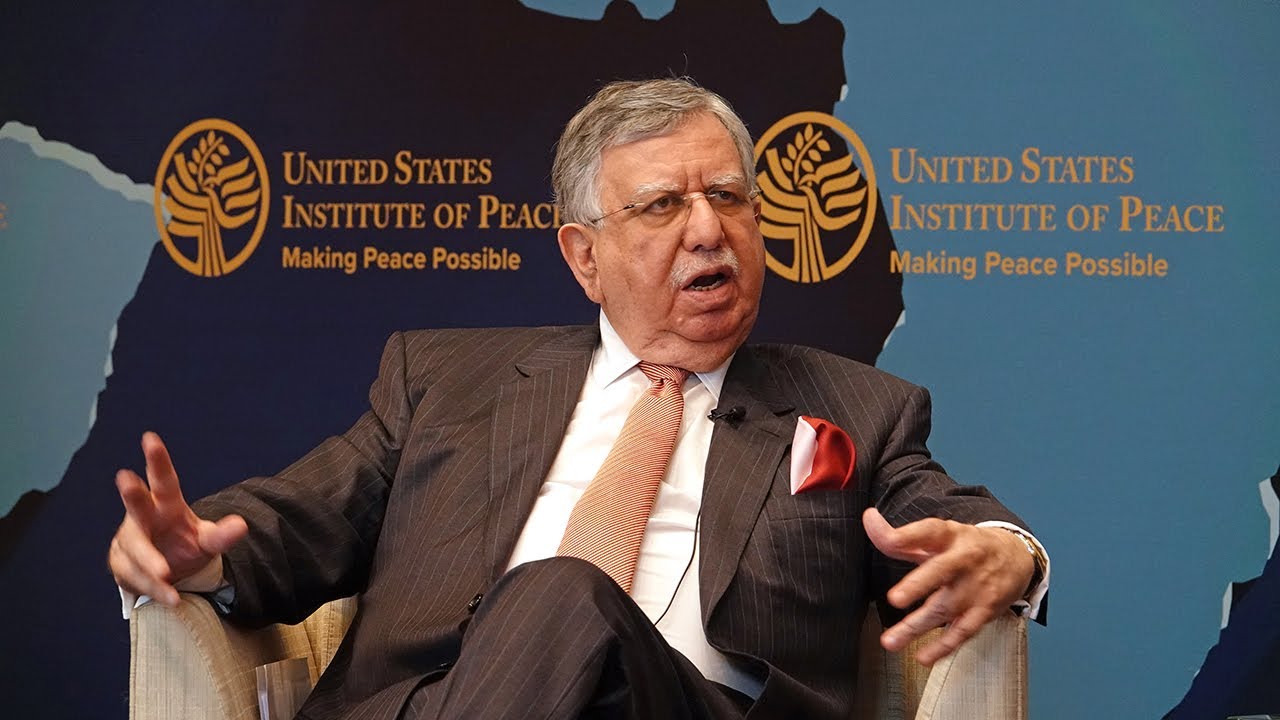
As part of this year’s World Mental Health Day, join USIP and the U.S. Department of State’s Office of International Religious Freedom’s Strategic Religious Engagement Unit for a discussion on religion, MHPSS and migration. The conversation will draw on findings from USIP’s initiative on Religious and Psychosocial Support for Displaced Trauma Survivors, which has identified specific ways in which faith-sensitive MHPSS can increase the effectiveness of trauma healing interventions for migrants and refugees. Panelists will offer insight on actions that can be implemented in current efforts to assist migrants from highly religious contexts and to improve the quality of and accessibility to MHPSS to facilitate integration and reconciliation.
Speakers
Palwasha Kakar, opening remarks
Interim Director, Religion and Inclusive Societies, U.S. Institute of Peace
Dan Nadel, opening remarks
Senior Department Official, Office of International Religious Freedom, U.S. Department of State
Alastair Ager
Director, Institute of Global Health and Development
Elena Fiddian-Qasmiyeh
Principal Investigator, Refugee Hosts; Professor of Migration and Refugee Studies, University College London
Dr. Wilson López López
Professor, Pontificia Universidad Javeriana
Dr. Cristal Palacios
Founder and Director, Psicodiáspora
Camilo Ramirez Parra
Country Director, HIAS Colombia
Nida Ansari, moderator
Policy Advisor, Strategic Religious Engagement, U.S. Department of State
Andres Martinez Garcia, moderator
Program Manager, Religion and Inclusive Societies, U.S. Institute of Peace
Jerry White, closing remarks
Award-Winning Humanitarian Activist and Professor of Practice, University of Virginia
For more information about this event, please visit
To watch this event in English, please visit
Connect with us!
Subscribe to our YouTube channel
Newsletters
The United States Institute of Peace is a national, nonpartisan, independent institute, founded by Congress and dedicated to the proposition that a world without violent conflict is possible, practical and essential for U.S. and global security. In conflict zones abroad, the Institute works with local partners to prevent, mitigate, and resolve violent conflict. To reduce future crises and the need for costly interventions, USIP works with governments and civil societies to build local capacities to manage conflict peacefully. The Institute pursues its mission by linking research, policy, training, analysis and direct action to support those who are working to build a more peaceful, inclusive world. Learn more about USIP
Sentinel Indexing in Progress
Metadata and chapters are available. Claim extraction for this episode is pending.
All video content is delivered via YouTube embedded players in accordance with the YouTube Terms of Service. Sentinel provides research tools that promote discovery and accountability across political media.