Big Think
@bigthink·8.8M subscribers·10.1K videos
Big Think Interview With Sam Gosling | Big Think
Posted
April 24, 2012
Views
3,261
Likes
26
Comments
3
Engagement
0.89%
April 24, 2012
3,261
26
3
0.89%
Every word spoken in this episode is indexed. Type any phrase to jump straight to the moment it was said.
Type any word or phrase that may have been spoken. Click a result to seek the player to that exact moment.
Try a name, a topic, or a quoted line
 26:02Now Playing
Big Think Interview With Sam Gosling
New videos DAILY
Join Big Think Edge for exclusive videos
----------------------------------------------------------------------------------
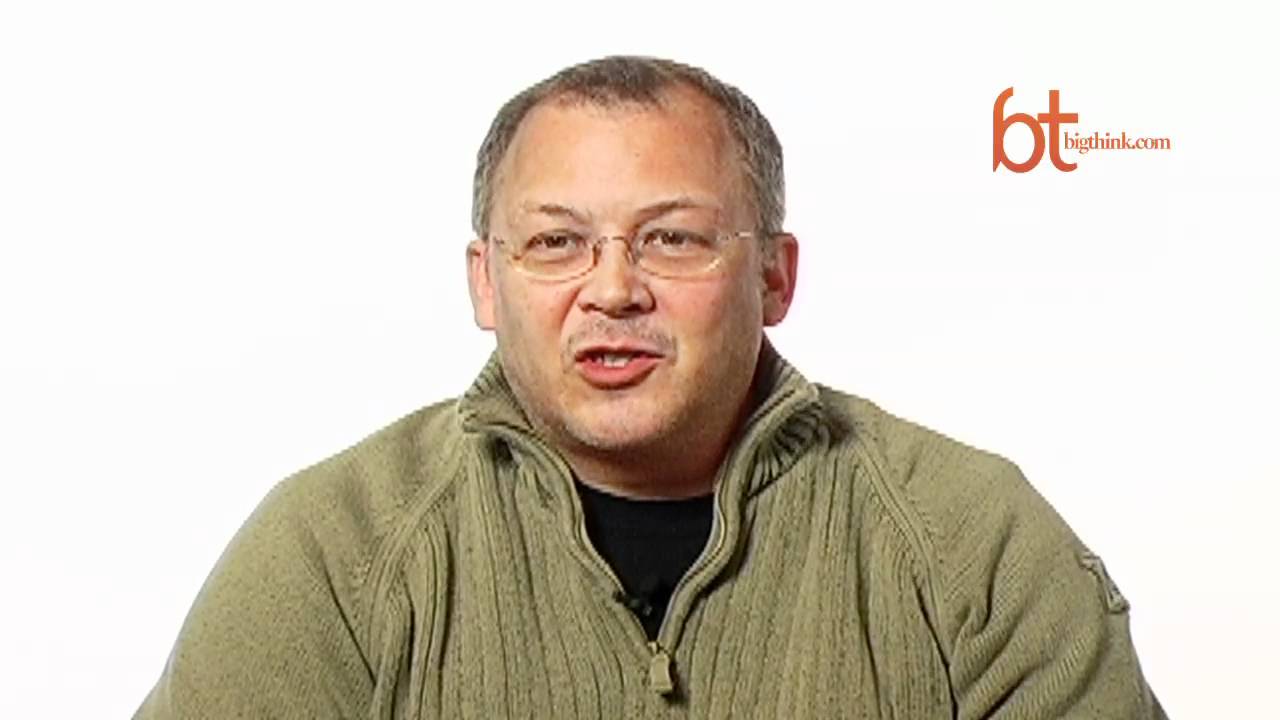
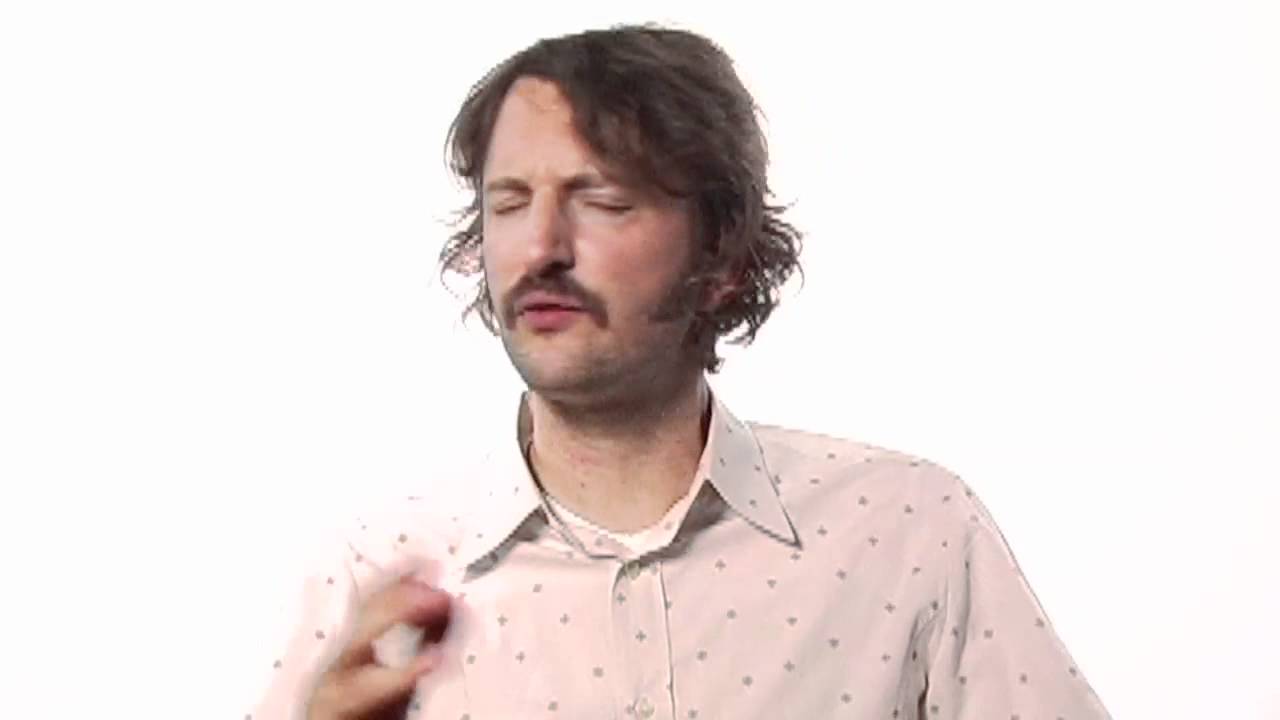
A conversation with Sam Gosling, professor of psychology at the University of Texas at Austin.
----------------------------------------------------------------------------------
Sam Gosling:
Sam Gosling, Ph.D., is an associate professor of psychology at the University of Texas at Austin. His work has been widely covered in the media, including The New York Times, Psychology Today, NPR, and "Good Morning America," and his research is featured in Malcolm Gladwell's "Blink." Gosling is the recipient of the American Psychological Association's Distinguished Scientific Award for Early Career Contribution. His first book, Snoop, was a New Scientist Editor's Pick for top books of 2008. His most recent research has focused on how animal psychology can inform theories of human personality and social psychology.
----------------------------------------------------------------------------------
TRANSCRIPT:
Big Think Interview With Sam Gosling
Sam Gosling: I'm Sam Gosling, and I'm a professor of psychology at the University of Texas at Austin.
Question: What’s the latest frontier of your research on personal spaces?
Sam Gosling: We've begun to look much more into virtual spaces now, the idea being that people have much more control over those, to try and understand what people are doing in that context. Are they using virtual spaces—and by virtual spaces I mean things like social networking sites like Facebook and so on—how are they using those? Are they using those just as a medium of social communication, or are the using those as a kind of way to promote themselves, to portray themselves in a positive light?
Question: Are our physical and virtual spaces similar, or do the latter project an ideal?
Sam Gosling: We were very interested about that. We were interested in whether people use their social networks as a kind of compensation. So is it that people who are really outgoing can go into this virtual space to behave like an introvert, or is that just another opportunity for them to be outgoing? So do we see the out, offline activity mirrored online, or do we see it more of a hydraulic model, so they do one online and one offline? And what we've found on that is that people tend to do the same thing, so the people who are extroverted and have loads of friends in real life have loads of friends on Facebook too. People who have loads of interests in the offline world also do on the online. So in this case people are—it acts as just really an extension of their everyday life. Having said that, there's a couple of interesting things, is that people don't really know how their viewed on the basis of those spaces, so one of the things we've looked at is whether people project an accurate view of themselves or they project an inflated positive view of themselves. Because we thought, well, maybe people are using these more like a sort of a personal Web site in order to promote themselves, or are they really just using it as a way of communicating, more like the telephone? Are they just using it as another way of living out their lives? And so how we tested that was, we got people to observe people on the basis of their Facebook profiles, and we compared that to how people really saw themselves and also how they would like to be. And what we found there was that people—the impressions people get of you based on your profile—and they know nothing else about you, but just based on your profile—match much more closely with how you really see yourself than how you'd like to be. And that raises the question of, well, what are—are people trying to create a false impression and failing, or is it that they're not trying at all? I mean, we don’t really know what's going on, whether they're trying and failing or just not trying. But one of the interesting things which would make it a real challenge to create a false impression even if you wanted to is that people have no idea how they're viewed on the basis of their profile. So if you give somebody—if you say, okay, what do you think people think you're like on the basis of your profile, and then you compare that to what people really think, those things are entirely uncorrelated. They have—people are completely oblivious to the impressions they portray in everyday life, which of course has all kinds of implications for—in terms of your ability to try and control it. But also you have no idea what impressions these employers who are looking at your Facebook profiles are, or people who are, you know, cyber-stalking you or whatever. You have no idea of what impressions they're really getting of you.
Read the full transcript at
Sentinel Indexing in Progress
Metadata and chapters are available. Claim extraction for this episode is pending.
All video content is delivered via YouTube embedded players in accordance with the YouTube Terms of Service. Sentinel provides research tools that promote discovery and accountability across political media.