Big Think
@bigthink·8.8M subscribers·10.1K videos
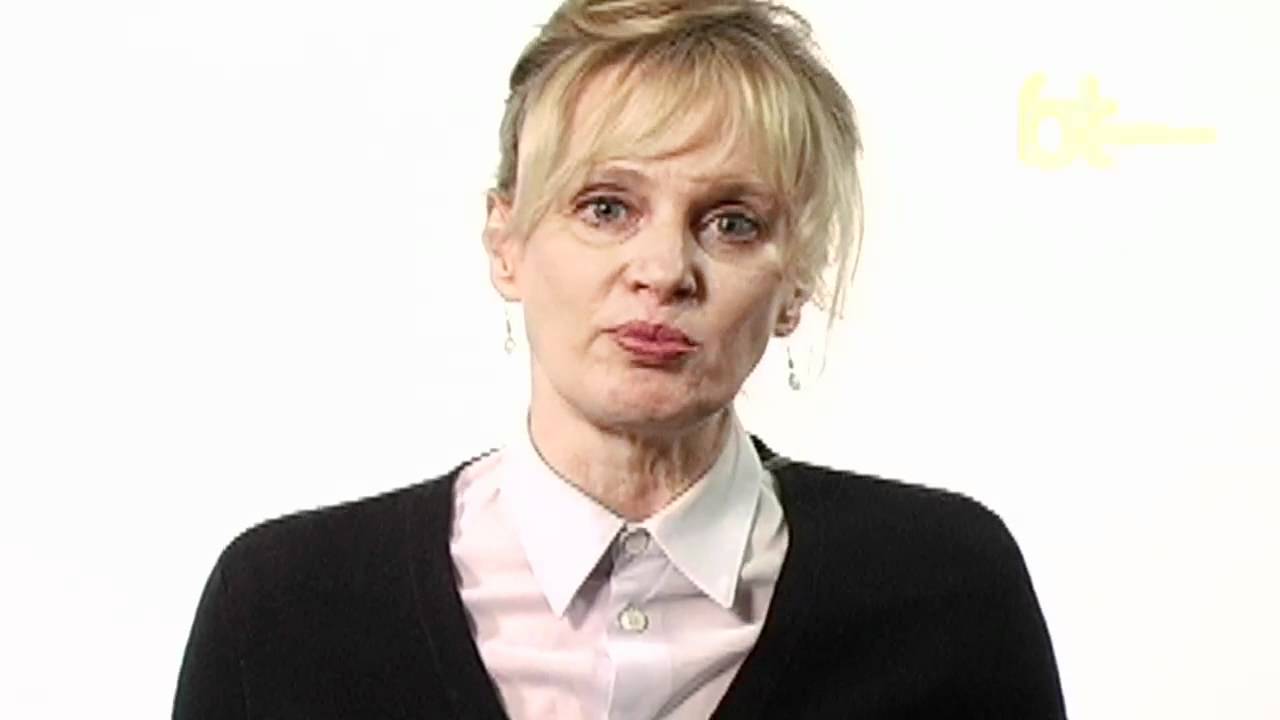
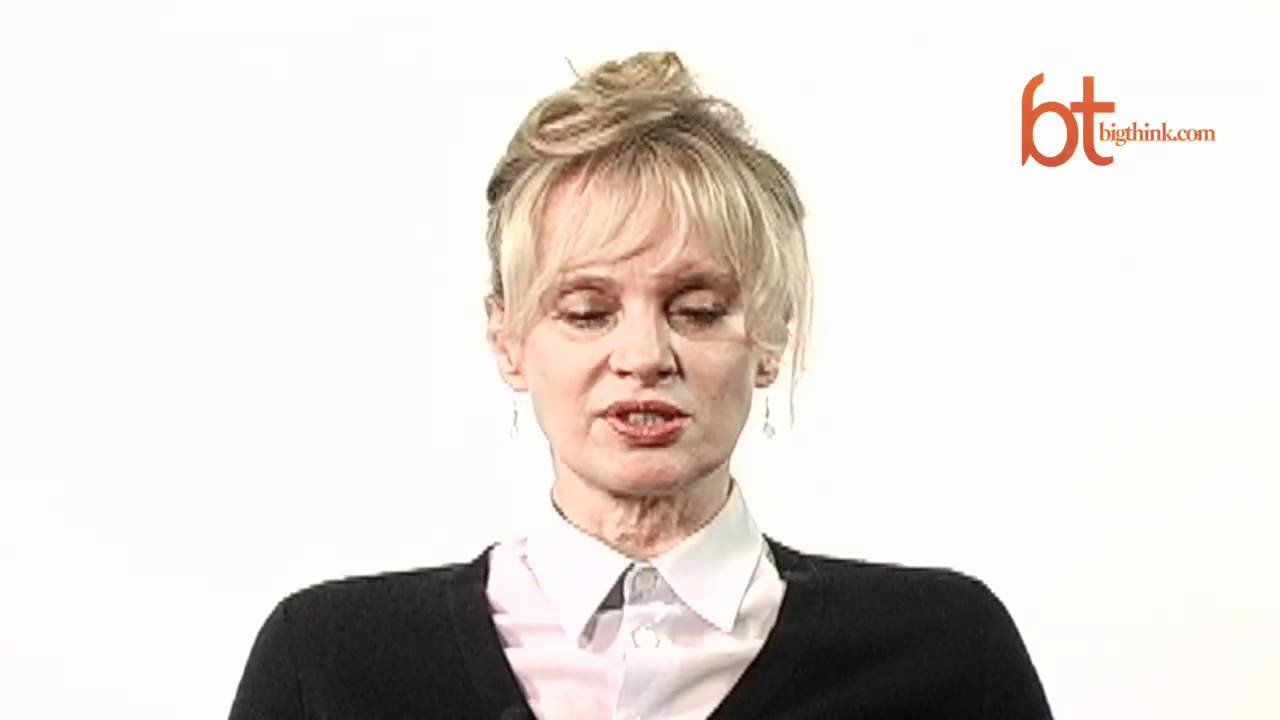
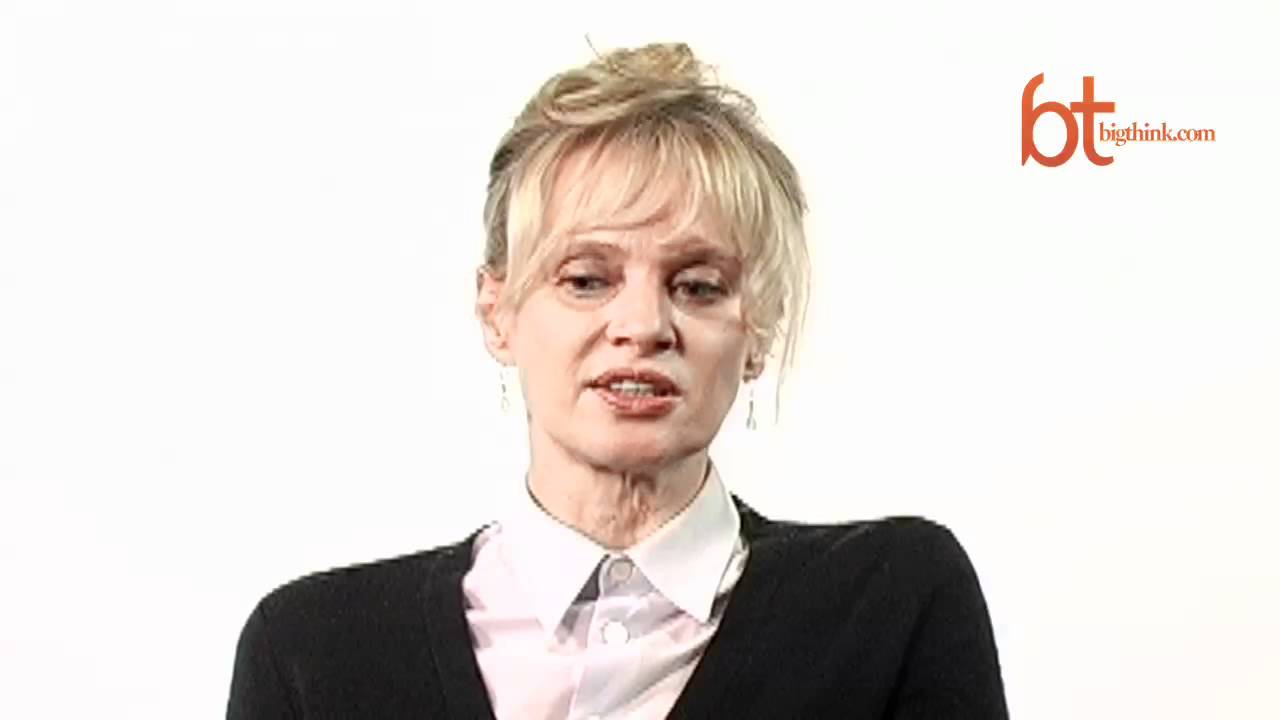
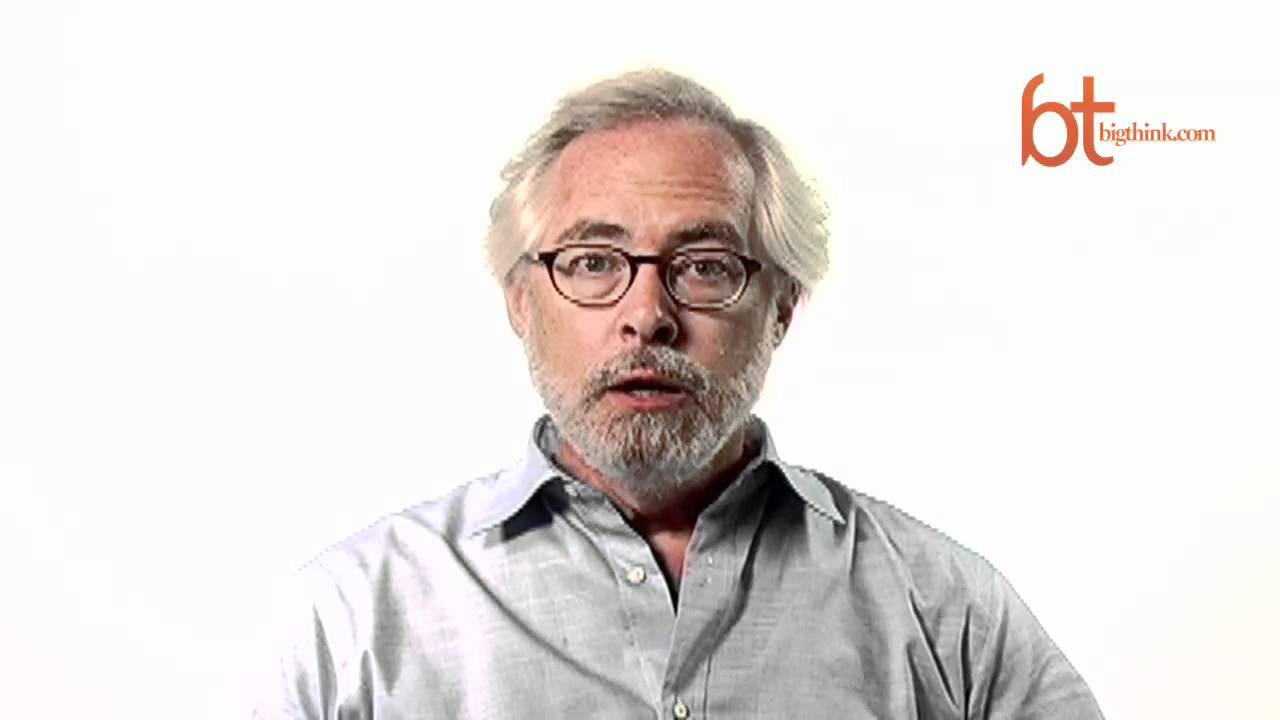
Big Think Interview With Siri Hustvedt | Big Think
Posted
April 24, 2012
Views
14,734
Likes
65
Comments
4
Engagement
0.47%
April 24, 2012
14,734
65
4
0.47%
Every word spoken in this episode is indexed. Type any phrase to jump straight to the moment it was said.
Type any word or phrase that may have been spoken. Click a result to seek the player to that exact moment.
Try a name, a topic, or a quoted line
 32:09Now Playing
Big Think Interview With Siri Hustvedt
New videos DAILY
Join Big Think Edge for exclusive videos
----------------------------------------------------------------------------------
A conversation with the novelist and author of “The Shaking Woman.”
----------------------------------------------------------------------------------
Siri Hustvedt:
Siri Hustvedt is the author of four novels, a book of poetry, and a number of short stories and essays. She is the author of "The Blindfold" (1992), "The Enchantment of Lily Dahl" (1996), "What I Loved" (2003), and "The Sorrows of an American" (2008).
Hustvedt has had migraines and their accompanying auras since childhood and has long been fascinated by psychoanalysis, neurology, and psychiatry. In recent years, with the explosion of research on the brain, she has become increasingly absorbed by neuroscience. Her most recent book, "The Shaking Woman or A History of My Nerves" (2010), is a "neurological memoir," both a personal account of Hustvedt’s experience as a patient and an exploration of the ambiguities of diagnosis through the lenses of medical history, neurology, psychiatry, psychoanalysis, and philosophy.
----------------------------------------------------------------------------------
TRANSCRIPT:
Question: What is your memory of the seizure that yourndescribe in “The Shaking Woman”?
Siri Hustvedt: Well, I can't, you know, you can't tell arnstory forward, only backward. So,rnthe event that is central to the book that I've written is a seizure episodernthat happened very abruptly and suddenly. rnI was giving a little speech at a memorial occasion for my father; theyrnwere planting a tree in his honor. rnHe was a Professor at St. Olaf College and he had died two years beforernthen. I stood up, felt no anxiety,rnvery calm. I had my index cards inrnfront of me for the speech. Irnopened my mouth, began to speak and from the neck down, my limbs, my torso,rneverything, I started to shudder, but not a small tremor; really hugernconvulsive motions in my arms and legs. rnAnd I was so shocked. Itrnwas an amazing thing to have happened. rnI continued giving the speech. rnI really didn't know what else to do. I didn't fall over. rnI thought I might.
And when I finished the speech, the shuddering left me. I had—my legs had turned very red,rnalmost blue, and I wondered what had happened. It was extraordinary.
Question: How did you explain this attack at the time, andrnhow do you explain it now?
Siri Hustvedt: Well you know, long before I had thisrnseizure, I had been immersed in material about the brain and the mind,rnneuroscience, psychoanalysis, psychiatry, and so I decided to—first of all, Irnasked quite a few friends of mine who were doctors and neuroscientists, whatrnthis could be? And nobody had arnready answer. I did then diagnosernmyself with conversion disorder, or hysteria. I thought, well maybe because I was talking about my deadrnfather, someone who I was very close to, there was an emotional trigger and itrnwas acted out in this way.
And the inspiration was, I was at a neuroscience lecture andrnbehind me was a woman and we started talking after the lecture was over and Irnasked her what she did, and she said, I treat mostly conversion patients. Those patients usually start withrnneurologists, and then the neurologists send them to me.
So, actually one day, I was back at a lecture that I go tornevery month and I always sit in the same place, and this was after I had thernshaking episode and it came like an illumination. I thought maybe I have had a hysterical seizure. No doctor, neurologist, psychiatristrnwent along with me on that one. rnBut in the book, I do talk about hysteria, both in the 19th century andrnas it's evolved since. Thernsymptoms are the same, they probably have been around forever and that isrnsimply that a person has, for example, paralysis or a seizure, or blindness,rndumbness, and it cannot be explained through say a brain tumor or a brainrnlesion. Something clearlyrnneurological and then, let's give the name hysteria.
So hysteria is something that I've been interested for arnvery long time. I thought I mightrnhave it, but it seems that it's unlikely.
Question: Do you believe you suffer, or suffered, from arnform of epilepsy?
Read the full transcript at
Sentinel Indexing in Progress
Metadata and chapters are available. Claim extraction for this episode is pending.
All video content is delivered via YouTube embedded players in accordance with the YouTube Terms of Service. Sentinel provides research tools that promote discovery and accountability across political media.