Big Think
@bigthink·8.8M subscribers·10.1K videos
Big Think Interview With Nina Planck | Big Think
Posted
April 24, 2012
Views
3,311
Likes
50
Comments
3
Engagement
1.60%
April 24, 2012
3,311
50
3
1.60%
Every word spoken in this episode is indexed. Type any phrase to jump straight to the moment it was said.
Type any word or phrase that may have been spoken. Click a result to seek the player to that exact moment.
Try a name, a topic, or a quoted line
 46:13Now Playing
Big Think Interview With Nina Planck
New videos DAILY
Join Big Think Edge for exclusive videos
----------------------------------------------------------------------------------
A conversation with the founder of London Farmers’ Markets and author of “Real Food: What to Eat and Why.”
----------------------------------------------------------------------------------
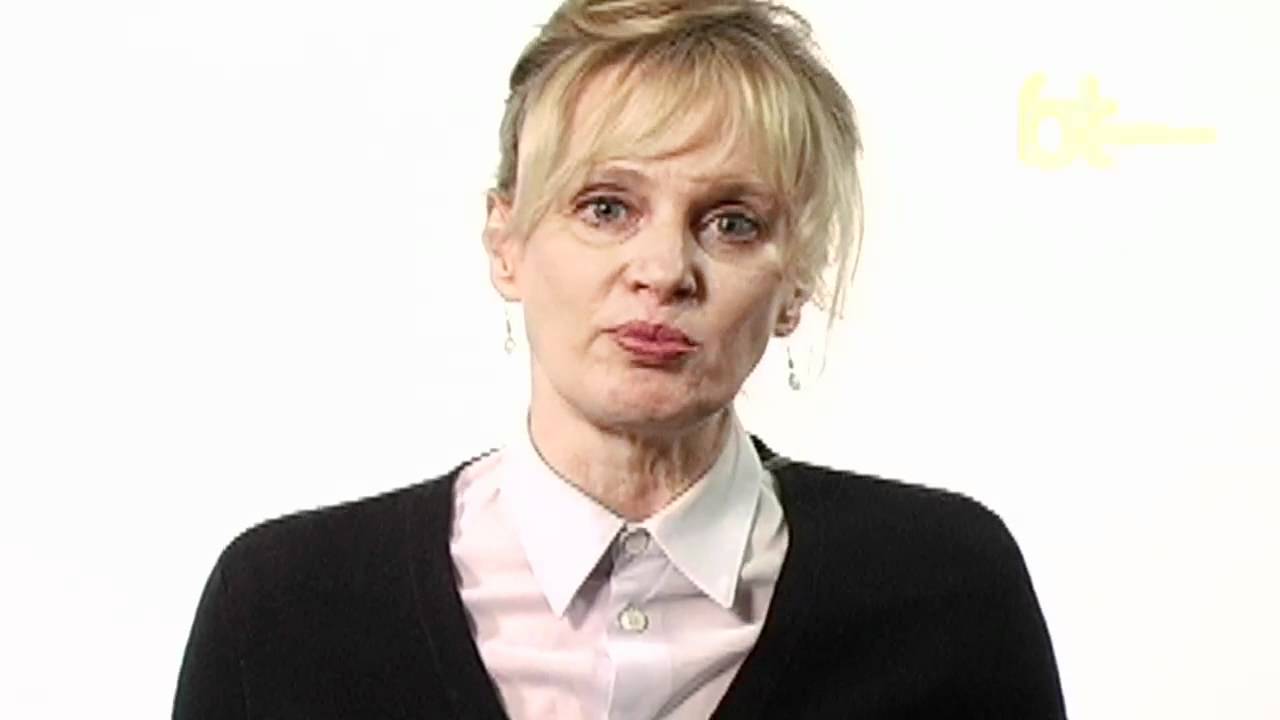
Nina Planck:
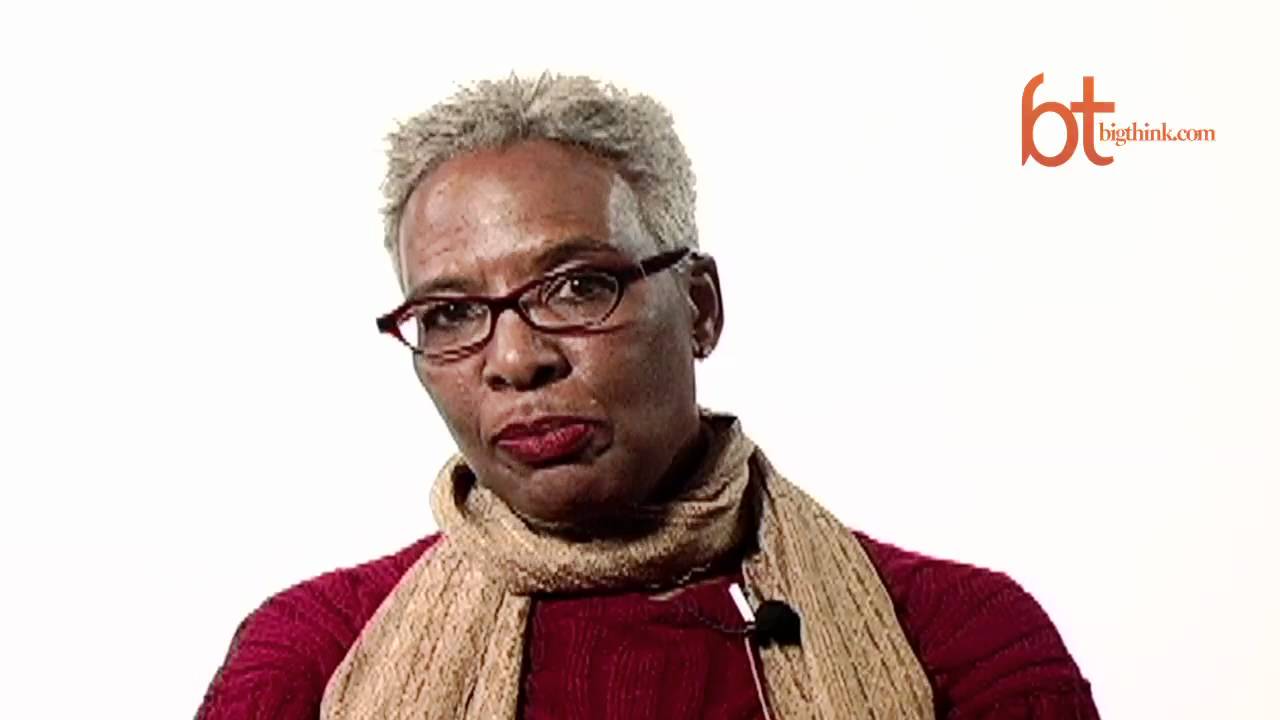
Author and food activist Nina Planck was raised on a family farm in Virginia, where she learned to appreciate "real," traditional foods. She worked as a reporter for TIME Magazine and wrote speeches for the U.S. ambassador to London before opening the first farmers’ markets in London. Today her company, London Farmers’ Markets, runs fourteen markets. She is the author of two books: "Real Food: What to Eat and Why," and "Real Food for Mother and Baby: The Fertility Diet, Eating for Two, and Baby's First Foods."
Planck is a Big Think Delphi Fellow.
----------------------------------------------------------------------------------
TRANSCRIPT:
Question: How did your upbringing affectrnyour ideas about food?rnrnrnrn
Nina Planck: rnMyrnmother raised us on real food and she was a fan of Adelle Davis who was thernpioneering slightly out of the mainstream nutritionist, but a laywoman, rightrnand so then a lot of people attacked her for not knowing enough, who came outrnof California. In the ‘60s andrn‘70s she had a pretty big following and Adelle Davis had very simple principlesrnall of which have been pretty much borne out by the subsequent science, wholernfood, B vitamins, real meat, real milk, traditional fats. She has a few clunkers that don’trnsurvive the test of time, which you come across in her books, but on the wholerneverything she said proved to be true and so my mother raised us on whole wheatrnbread and the proverbial blackstrap molasses. We made granola once a week. The children had an assignment to make granola. We also ate all the meats. It was not a vegan, hippie commune, ourrnlittle farm, so we had very traditional simple American meals like fried chicken,rnmeatloaf. I remember a food Irnregarded as one of our super frugal meals was macaroni with tuna and creamrnsauce, which I loved. My motherrnused to dip her toast in the bacon fat and nothing was off limits except whiternsugar and white flour. Those wouldrnhave been my mother’s standards and she used to say no matter how little moneyrnwe have we’ll always have real maple syrup, real olive oil and realrnbutter. We also had a cow andrnchickens in addition to the vegetables we were growing on our vegetable farm,rnso we drank raw milk. We didn’trnmake any cheese or dairy products. rnThat would have been more homesteady than we were and we were reallyrnbusy as commercial vegetable farmers, but we did have fresh eggs and fresh milkrnand then what we couldn’t raise ourselves we bought or bartered for at thernfarmers markets and in the dead of winter we shopped at the supermarkets.
Question: What is "real food?"
Nina Planck: My concept of "real food"rnwas grounded in my mother’s lessons for us, which were that it should bernwhole. It should bernnutritional. It should bernsimple. It shouldn’t be processed,rna small number of ingredients. Andrnthen I sort of went off track and in my teens and twenties became a vegan and arnvegetarian and tried low fat diets and low saturated fat diets and lowrncholesterol diets and the reason I did that was not so much a thumb in the facernof my mother, although perhaps we’re all acting against our parents in somernways, but more because it was the conventional wisdom of the time in the late ‘80srnand the early 1990s that less fat was good. Less saturated fat was good. Less animal fat, less cholesterol, more plant foods, so Irnassumed that if all those things were true that a nonfat vegan diet wasrnprobably the best of all and that’s what I tried. And things went alongrnfine. No one would have called mernsick, but on vegan and low fat diets in fact, my health suffered and I was 25rnpounds heavier than I am now and I had a host of minor complaints and no onernreally would have ever called me ill or certainly they wouldn’t have suspectedrnmy perfect diet because I was not a junk food vegan or vegetarian. I ate brown rice and beans. I ate olive oil. I ate fruits and vegetables. I just didn’t eat many traditionalrnfoods, how I now understand it.
Read the full transcript at
Sentinel Indexing in Progress
Metadata and chapters are available. Claim extraction for this episode is pending.
All video content is delivered via YouTube embedded players in accordance with the YouTube Terms of Service. Sentinel provides research tools that promote discovery and accountability across political media.