Big Think
@bigthink·8.8M subscribers·10.1K videos
Breathing New Life Into Freud | Siri Hustvedt | Big Think
Posted
April 24, 2012
Views
736
Likes
12
Comments
1
Engagement
1.77%
April 24, 2012
736
12
1
1.77%
Every word spoken in this episode is indexed. Type any phrase to jump straight to the moment it was said.
Type any word or phrase that may have been spoken. Click a result to seek the player to that exact moment.
Try a name, a topic, or a quoted line
 4:15Now Playing
Breathing New Life Into Freud
New videos DAILY
Join Big Think Edge for exclusive videos
----------------------------------------------------------------------------------
How the emerging science of neuropsychoanalysis is reviving Sigmund Freud’s old project: analyzing the subjective experience of the individual mind.
----------------------------------------------------------------------------------
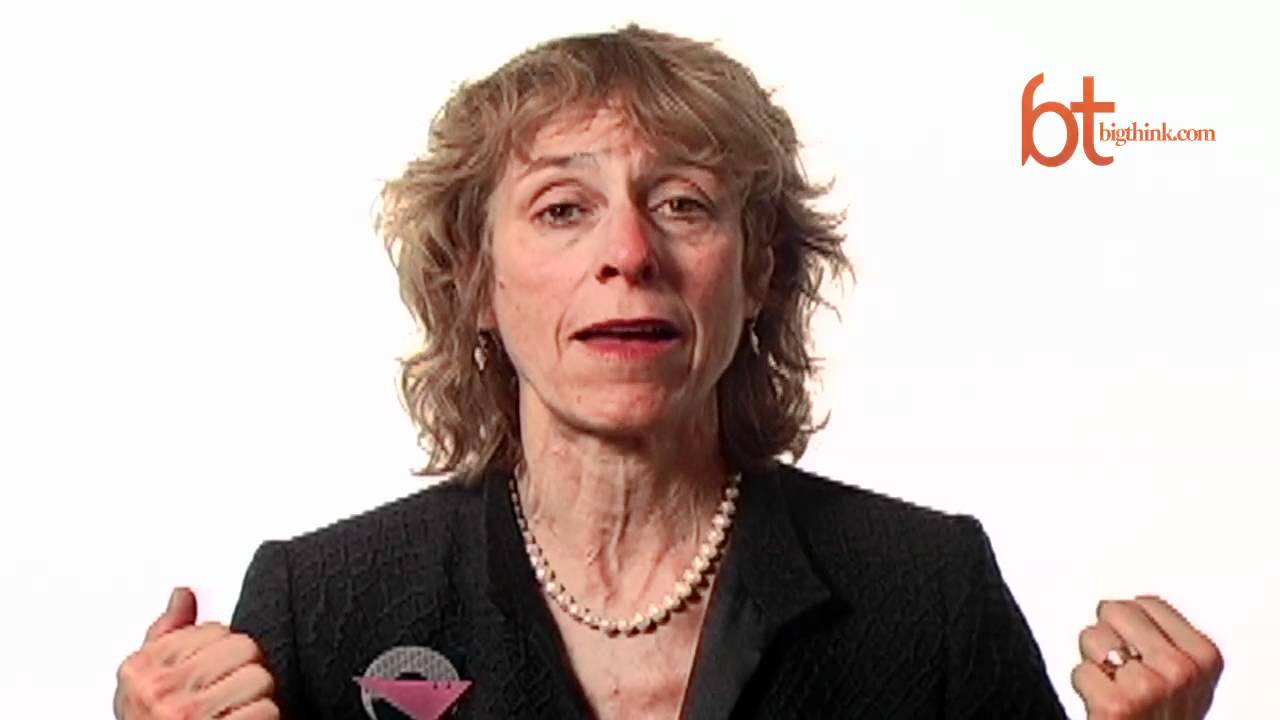
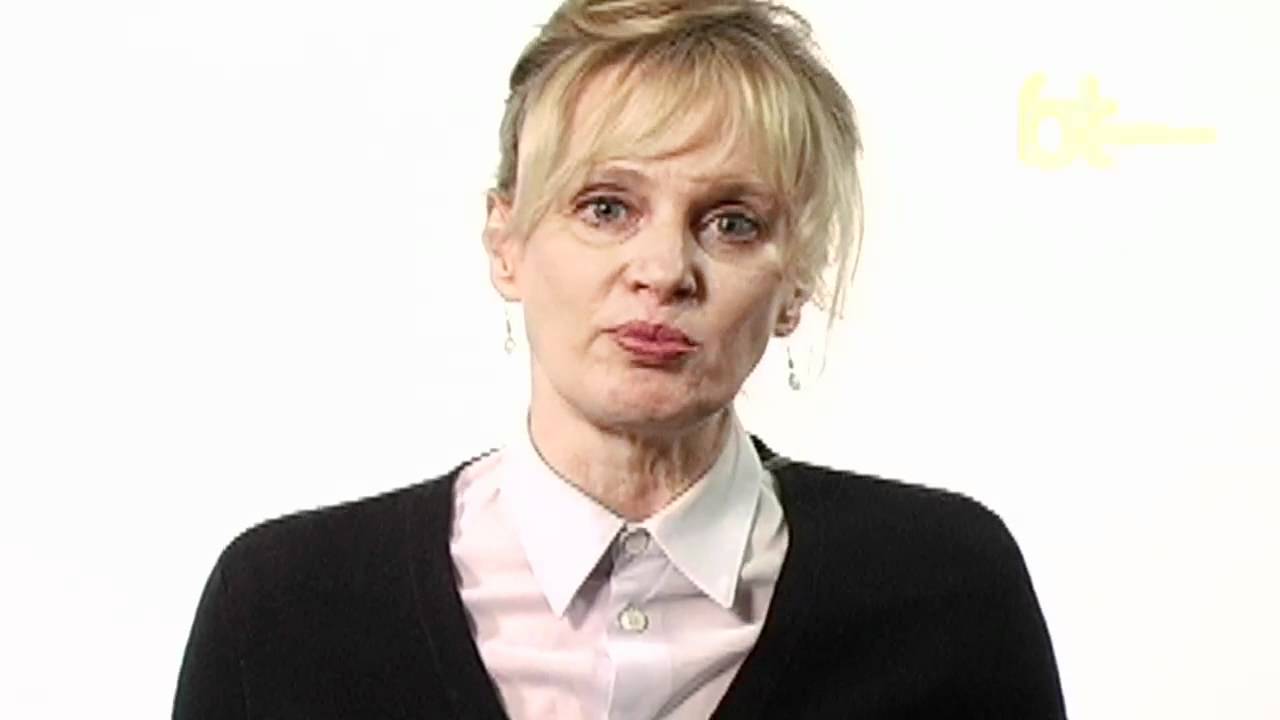
Siri Hustvedt:
Siri Hustvedt is the author of four novels, a book of poetry, and a number of short stories and essays. She is the author of "The Blindfold" (1992), "The Enchantment of Lily Dahl" (1996), "What I Loved" (2003), and "The Sorrows of an American" (2008).
Hustvedt has had migraines and their accompanying auras since childhood and has long been fascinated by psychoanalysis, neurology, and psychiatry. In recent years, with the explosion of research on the brain, she has become increasingly absorbed by neuroscience. Her most recent book, "The Shaking Woman or A History of My Nerves" (2010), is a "neurological memoir," both a personal account of Hustvedt’s experience as a patient and an exploration of the ambiguities of diagnosis through the lenses of medical history, neurology, psychiatry, psychoanalysis, and philosophy.
----------------------------------------------------------------------------------
TRANSCRIPT:
Question: What is neuropsychoanalysis?
Siri Hustvedt: rnI became interested in neuropsychoanalysis through the person whorn isrnreally responsible, I think, for beginning this movement or rnorganization. His name is Mark Solms. And he's a brain researcher and arnpsychoanalyst. He's workedrnparticularly doing dream research, but he's done other explorations asrnwell. And it really is anrnorganization that is trying to fulfill an old dream of Freud's. In 1895, Freud, who was then arnneurologist and he had spent a long time working on nerve cells, as arnscientist. So, he sat down andrnwrote something that is now called "The Project." It'srn a project for a scientific psychology. And his rnhope was that, what he knewrnabout the brain and the nervous system would provide him with a map or arn modelrnof how the mind works.
He worked on this in a great fury and then he rnrealized thatrnscience simply was not able to answer the questions that he had, he putrn"The Project" aside and the fate of psychoanalysis went fromrnthere. In other words, Freudrnalways knew that the underpinnings of what he thought of as the psyche rnand hisrnpsychic model were in the brain, in these neuronal networks that are rncoursingrnthrough us all the time. But herncouldn't fit them together.
So, neuropsychoanalysis is really trying to join rntwornlanguages; the language of the psyche and Freudian psychoanalysis—which rnofrncourse has gone in many different directions, it’s not just Freud—andrnneurobiology, and see how these two can be fit together because there isrn arnfit. It's not easy, but there is arnfit.
Question: Does the field furtherrnFreud’s project of analyzing the individual mind?
Siri Hustvedt: I think that's the hope. I think that's exactly the hope. Now,rn neuropsychoanalysis does not wantrnto leave out subjectivity. Inrnother words, we all have a subjective reality. Andrn talk therapy, psychoanalysis, psychoanalyticrnpsychotherapy, is all about constructing some kind of narrative for the rnpatientrnout of subjective experience. Butrneven that... I mean subjectivity itself is now a huge subject in brain rnresearch. Where does subjectivity come from? How does it work on the level ofrnneurons and synapses in the brain? rnAnd people are studying this very carefully.
I don't think—there's no solution, butrn there are overlaps. I mean, very recently I readrn a paper by five Italianrnneuroscientists who were talking about something called long-term rnpotentiationrnin neural networks in the brain that are connected to learning and rnmemory. And they had been looking at Freud'srnproject, the project I just talked about that he put aside, and they'rernconclusion was that the project actually anticipates contemporary rnneurosciencernresearch into LTP's. Prettyrnfascinating.
Sentinel Indexing in Progress
Metadata and chapters are available. Claim extraction for this episode is pending.
All video content is delivered via YouTube embedded players in accordance with the YouTube Terms of Service. Sentinel provides research tools that promote discovery and accountability across political media.