Big Think
@bigthink·8.8M subscribers·10.1K videos
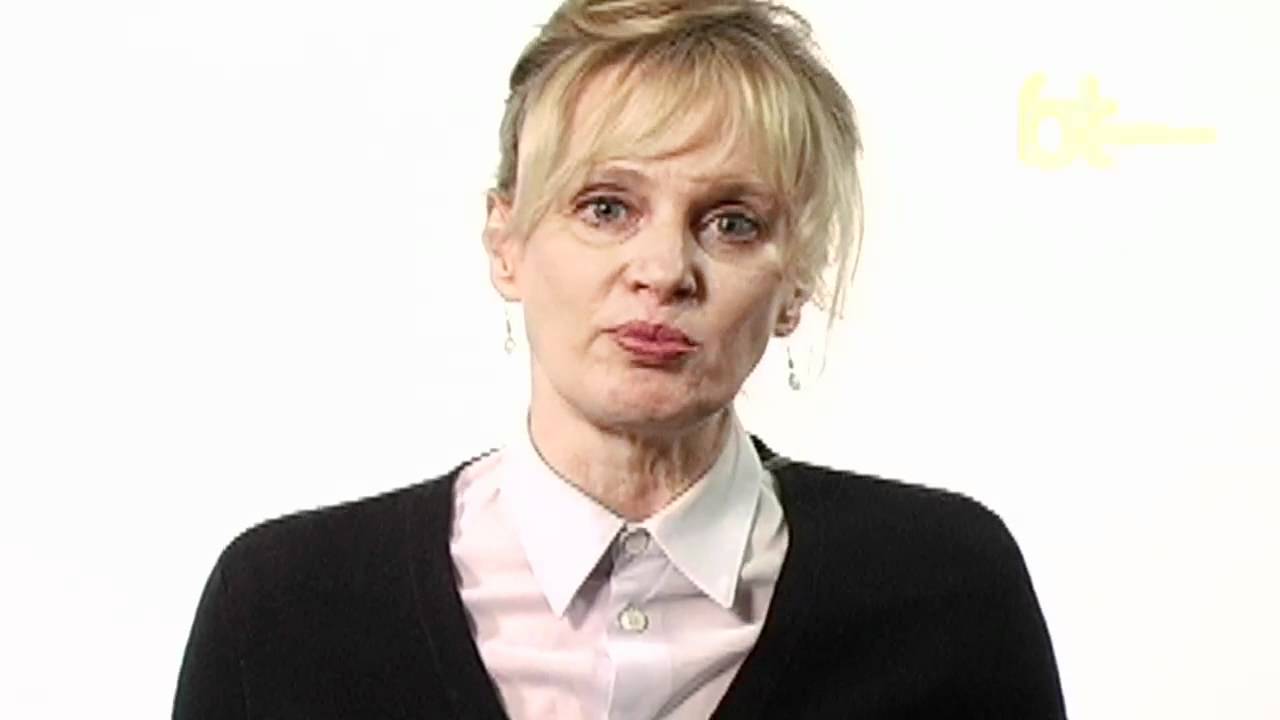
"Everyone Needs a Reader. I Just Happen to Be Married to Mine" | Siri Hustvedt | Big Think
Posted
April 24, 2012
Views
158
April 24, 2012
158
Every word spoken in this episode is indexed. Type any phrase to jump straight to the moment it was said.
Type any word or phrase that may have been spoken. Click a result to seek the player to that exact moment.
Try a name, a topic, or a quoted line
 4:46Now Playing
"Everyone Needs a Reader. I Just Happen to Be Married to Mine"
New videos DAILY
Join Big Think Edge for exclusive videos
----------------------------------------------------------------------------------
The novelist on having a fellow author (Paul Auster) as a spouse, and the state of mind that’s essential to good writing.
----------------------------------------------------------------------------------
Siri Hustvedt:
Siri Hustvedt is the author of four novels, a book of poetry, and a number of short stories and essays. She is the author of "The Blindfold" (1992), "The Enchantment of Lily Dahl" (1996), "What I Loved" (2003), and "The Sorrows of an American" (2008).
Hustvedt has had migraines and their accompanying auras since childhood and has long been fascinated by psychoanalysis, neurology, and psychiatry. In recent years, with the explosion of research on the brain, she has become increasingly absorbed by neuroscience. Her most recent book, "The Shaking Woman or A History of My Nerves" (2010), is a "neurological memoir," both a personal account of Hustvedt’s experience as a patient and an exploration of the ambiguities of diagnosis through the lenses of medical history, neurology, psychiatry, psychoanalysis, and philosophy.
----------------------------------------------------------------------------------
TRANSCRIPT:
Question: Do you and your husband ever rncritique each other’srnworks in progress?
Siri Hustvedt: Always, actually. We both read to each other during therncourse of the book. When Paul'srnwriting a novel, he reads to me at intervals of about a month, month andrn arnhalf, two months, something like that. rnAnd he will take a batch of the story, read it to me aloud, and rnlistenrnto what I have to say.
Earlier in my life as a writer, I had a tendency torn hoard myrnmanuscripts from Paul and not show him anything until I had a complete rndraft. And then he would usually read itrnsilently and talk to me afterwards. rnIn the last few years, the last three books, I've read to him as rnI'mrngoing along, chunks of 50 to 70 pages, and get hisrn feedback. So,rnthis is very important to us. rnEveryone needs a reader. rnAnd I just happen to be married to mine and he happens to be rnmarried tornhis.
The good thing about the two of us is that I and hern are veryrnfree to be brutal if we feel it's necessary. And Irn think that all works because there's an essentialrnrespect always of the project of the other person, so what you're reallyrntalking about is, "Does this help the overall project, or is there a rnweaknessrnhere." And I don't think that inrneither case we've ever rejected the other person's suggestions. I have resisted a couple of times, butrnin the end I think he's always been right. And I rnhad—with one novel he read me three endings beforernI thought he hit on the one that really worked.
Question: How do you discipline yourself rnto overcome the challenges of writing?
Siri Hustvedt: I'm better at this now. I've always been extremely disciplinedrnin the sense that I can wake up early, sit at my desk and work for hoursrn andrnhours every day. This is neverrnbeen a problem. What I'vernunderstood as the years have gone on is that the best place for me rnanyway forrnme to be when I'm writing, is in a state of great relaxation and rnopenness. And I think when you're in that staternall kinds of unconscious material can become available. Forrn me, the danger is being tight,rnbeing constipated, in a sense. Andrnthat will create constipation. rnThat will create a day of looking at a paragraph, erasing it, rnwritingrnanother one and getting rid of that.
And I think of this as a state of play, that you rnreally arernopen to the creative possibilities of what will happen, what can happen. And both, I think, both playing inrnchildren and fantasizing in teenagers. rnI don't know—you're much closer to your teenage years then I am, rnbutrnthose years are particularly prone to all kinds of fantasies, especiallyrn aboutrnthe future, you know, what am I going to do. Oh, rnthe beloved. rnAll kinds of fantasies. AndrnI think that writing novels comes straight out of those two... first thernchildhood play and then the adolescent fantasy to making art. But that the process is very similar. Andrn you need to be open, loose and letrnyourself play in order for the work to happen.
Sentinel Indexing in Progress
Metadata and chapters are available. Claim extraction for this episode is pending.
All video content is delivered via YouTube embedded players in accordance with the YouTube Terms of Service. Sentinel provides research tools that promote discovery and accountability across political media.