Big Think
@bigthink·8.8M subscribers·10.1K videos
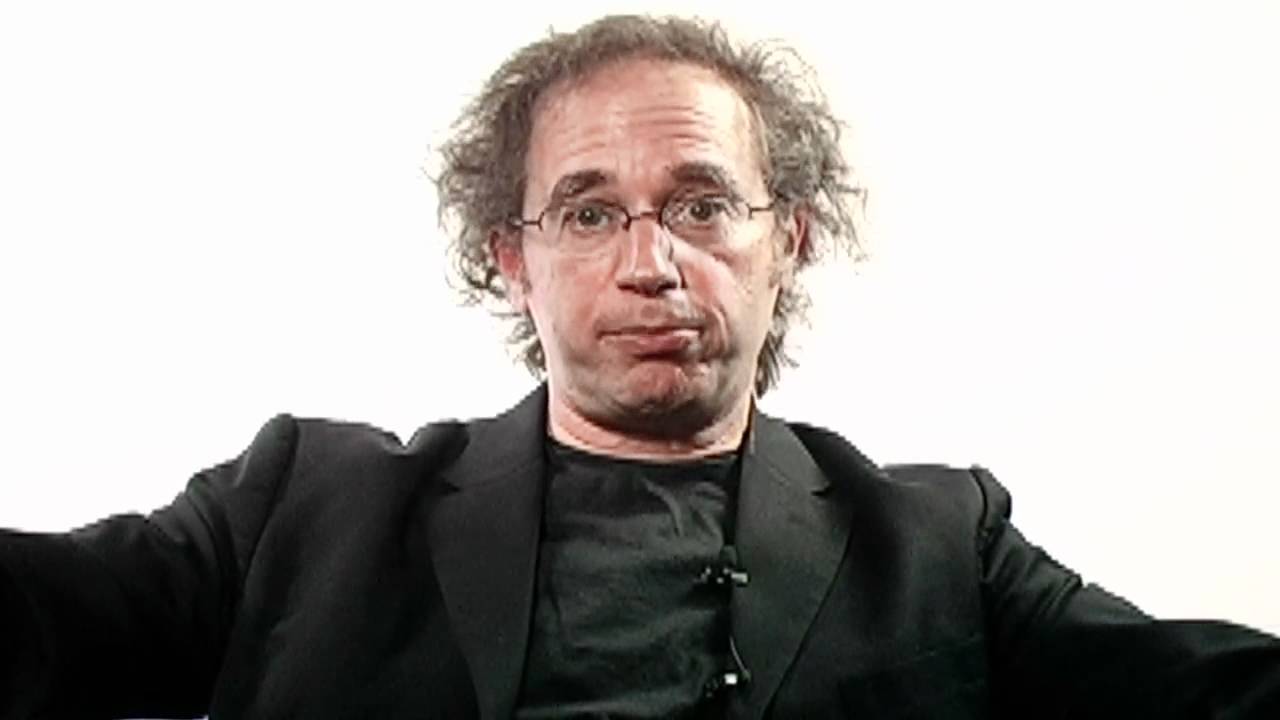
Philosophy After Faith: "Like Water After Dying of Thirst" | Rebecca Newberger Goldstein | Big Think
Posted
April 24, 2012
Views
2,223
Likes
37
Comments
3
Engagement
April 24, 2012
2,223
37
3
1.80%
Every word spoken in this episode is indexed. Type any phrase to jump straight to the moment it was said.
Type any word or phrase that may have been spoken. Click a result to seek the player to that exact moment.
Try a name, a topic, or a quoted line
You’re on April 24, 2012. Earlier episodes are to the left, later ones to the right — the row keeps loading as you go. Click any card to open it.
 Apr 24, 20124:41Now Playing
Philosophy After Faith: "Like Water After Dying of Thirst"
New videos DAILY
Join Big Think Edge for exclusive videos
----------------------------------------------------------------------------------
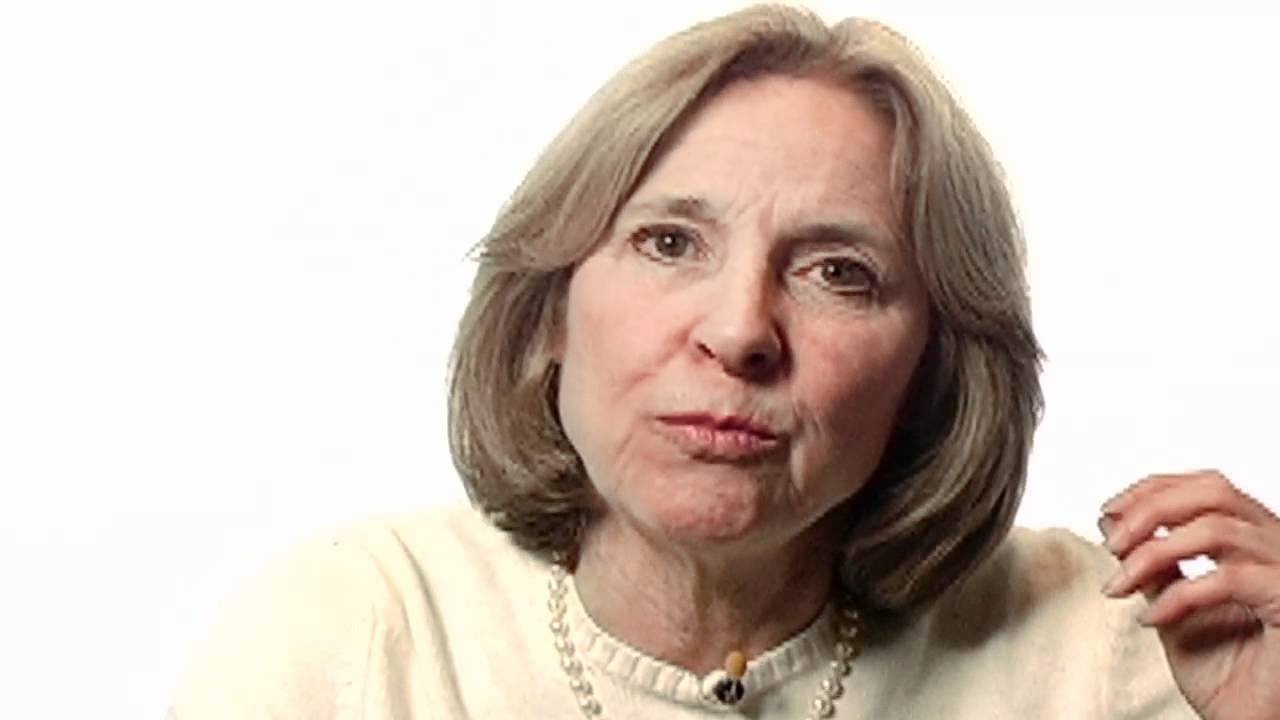
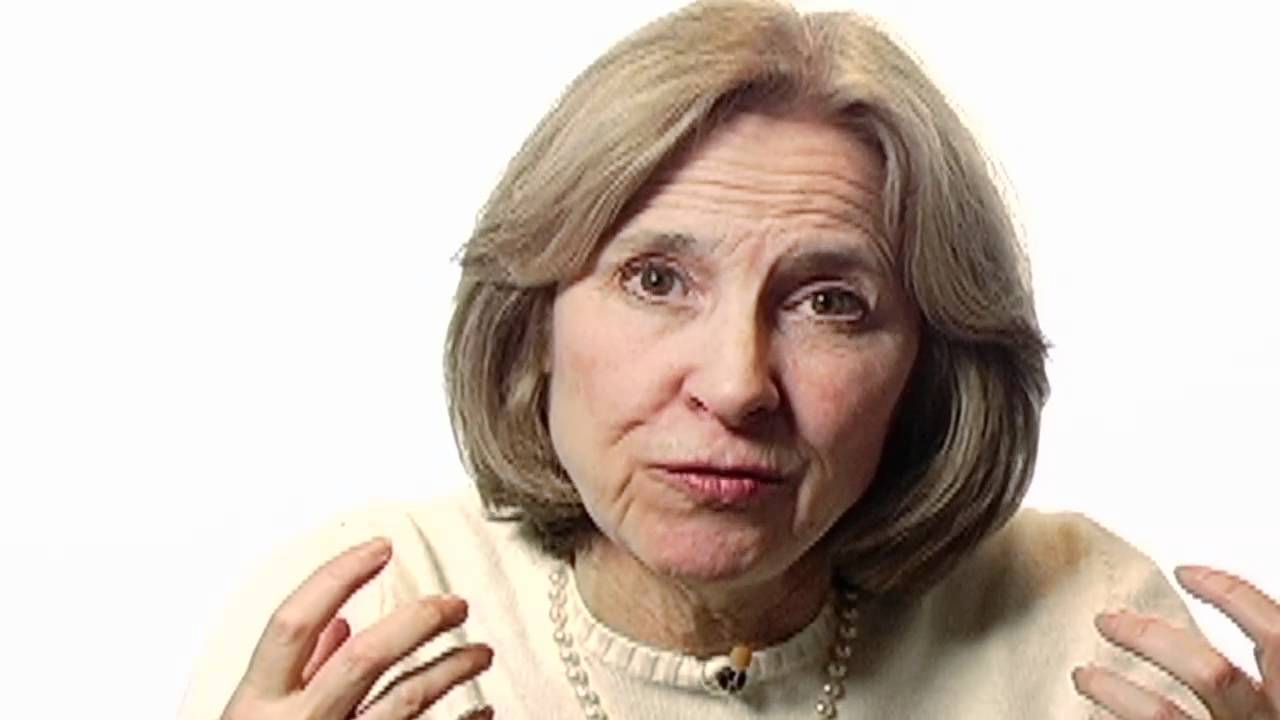
Rebecca Goldstein grew up Orthodox Jewish and became a skeptical philosopher and novelist. How does that complex arc affect her writing?
----------------------------------------------------------------------------------
Rebecca Newberger Goldstein:
Rebecca Newberger Goldstein is a novelist and philosopher. Her novels include "The Mind-Body Problem," "The Late-Summer Passion of a Woman of Mind," "Properties of Light: A Novel of Love, Betrayal, and Quantum Physics," and her latest, "36 Arguments for the Existence of God: A Work of Fiction" (Pantheon Books).
In 1996 Goldstein became a MacArthur Fellow. In 2005 she was elected to The American Academy of Arts and Sciences. In 2006 she received a Guggenheim Fellowship and a Radcliffe Fellowship. In 2008, she was designated a Humanist Laureate by the International Academy of Humanism, and was awarded an Honorary Doctorate by Emerson College, where she gave the commencement address.
Goldstein has taught at Barnard College, in the Columbia MFA writing program, and in the department of philosophy at Rutgers; has been a visiting scholar at Brandeis University; and has taught for five years as a Visiting Professor in the Department of Philosophy at Trinity College in Hartford, Connecticut. In 2006-2007 she was a Fellow at the Radcliffe Institute for Advanced Study at Harvard University, and a Guggenheim Fellow. Currently she is a Research Associate in the Department of Psychology, Harvard University.
----------------------------------------------------------------------------------
TRANSCRIPT:
Question: How did being raised in an Orthodox Jewish family affect your religious and philosophical beliefs?
Rebecca Newberger Goldstein: I was raised in an Orthodox Jewish household and I wouldn’t say so much it’s informed my views, but it’s informed my interest, so I think as a child I was often very baffled by knowledge claims. Everybody seemed to know all sorts of things about the world and I wondered how they could know this and I suppose sometimes I would ask them and I never felt particularly satisfied with the questions and so sometime very early on I found myself to this book by… Oh God, it was called The Story of Philosophy by Durant and you know I remember I was… All we were allowed to do in the Sabbath was to read and you know I would go and we were quite impoverished, so we didn’t own books, but every Friday I would and get my reading material before the Sabbath so I could… before sundown so I could have my reading material and you know somehow I found my way to this book and I remember experiencing something like ecstasy when I read the section on Plato and it was you know this first introduction to rigorous thinking through argumentation and it felt… You know it just felt like water after you’re dying of thirst and so I think in that way my religious upbringing played into my passion for rigorous thinking.
Question: Is there a character in “36 Arguments For the Existence of God” whose struggles with faith particularly reflect your own?
Rebecca Newberger Goldstein: Yes. Well there is one I identify with very strongly and there is one that I love and they’re two different people. The one I identify very strongly with is the main character. It’s not… The book is written in the third person. It’s not always from the main character’s point of view. I sometimes leave it, but it’s mostly from his point of view and his name is Cass Seltzer and he is a psychologist of religion and because of what is happened recently in America he finds himself an intellectual celebrity. He has been fascinated with the psychology of religion for decades, but suddenly here it is. Things have shifted and there is a confluence between his own obsessions and the obsessions of our particular moment in time and he becomes a celebrity after he publishes a book called The Varieties of Religious Illusion, a kind of nod to William James whom he much admires as do I and Freud, you know the future of an illusion. So Cass Seltzer is… becomes this famous atheist, but he is rather different from the atheists, the professional atheists that I know and admire, friends of mine all. He understands religion from the inside and he himself is much given, as am I, I should perhaps, or not, confess, to a kind of spiritual experience, which is this kind of… I don’t know, a wonder, an ontological wonder, just the sheer wonder at this world that draws you out of yourself in a very dramatic way and often ends with your feeling very grateful to existence for simply existing. It’s a kind of religious experience.
Read the full transcript at
Sentinel Indexing in Progress
Metadata and chapters are available. Claim extraction for this episode is pending.
All video content is delivered via YouTube embedded players in accordance with the YouTube Terms of Service. Sentinel provides research tools that promote discovery and accountability across political media.