Big Think
@bigthink·8.8M subscribers·10.1K videos
The Future of Opera | Tod Machover | Big Think
Posted
April 24, 2012
Views
714
Likes
14
Engagement
1.96%
April 24, 2012
714
14
1.96%
Every word spoken in this episode is indexed. Type any phrase to jump straight to the moment it was said.
Type any word or phrase that may have been spoken. Click a result to seek the player to that exact moment.
Try a name, a topic, or a quoted line
You’re on April 24, 2012. Earlier episodes are to the left, later ones to the right — the row keeps loading as you go. Click any card to open it.
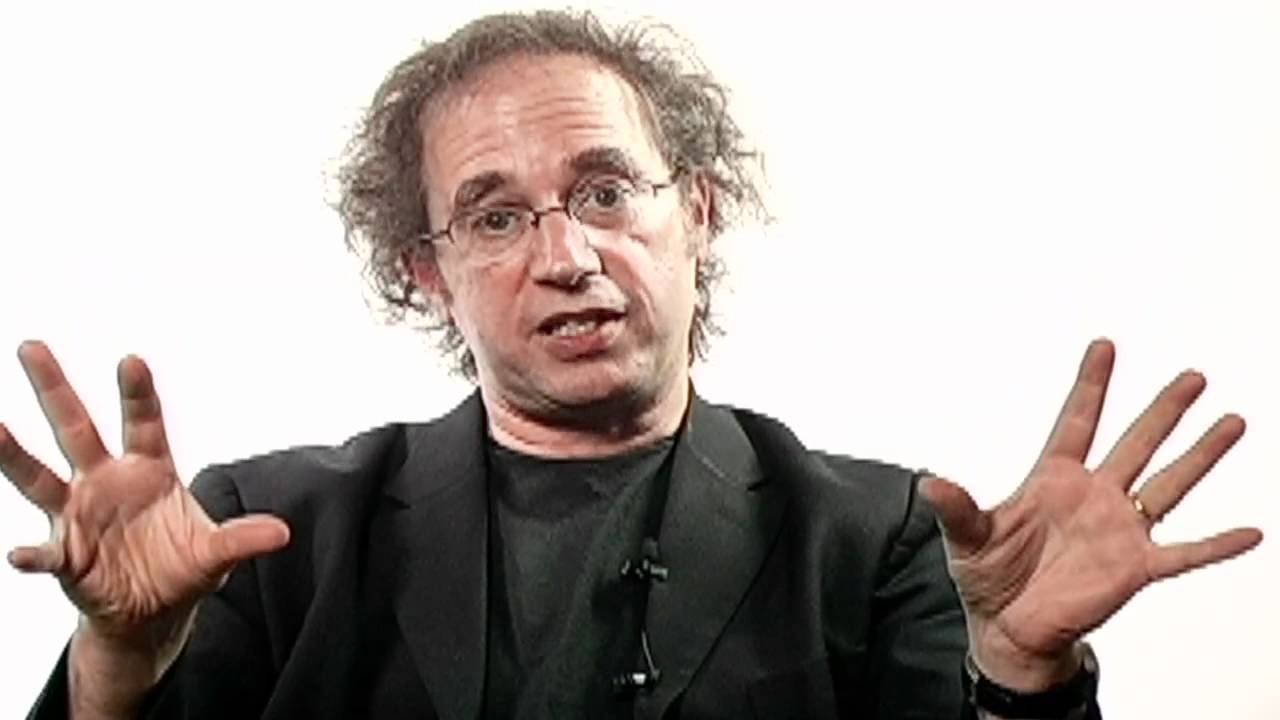 Apr 24, 20128:49Now Playing
The Future of Opera
New videos DAILY
Join Big Think Edge for exclusive videos
----------------------------------------------------------------------------------
Imagine a performance where the furniture were characters. It’s called “Death and the Powers.”
----------------------------------------------------------------------------------
Tod Machover:
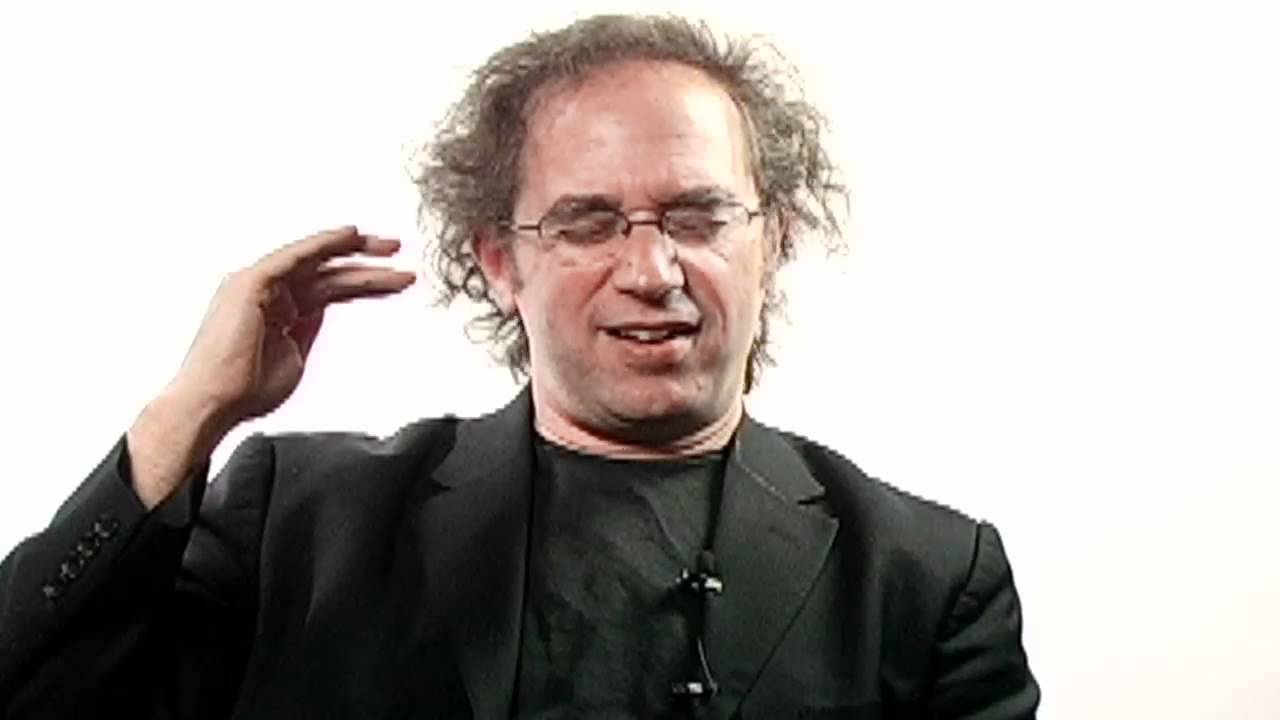
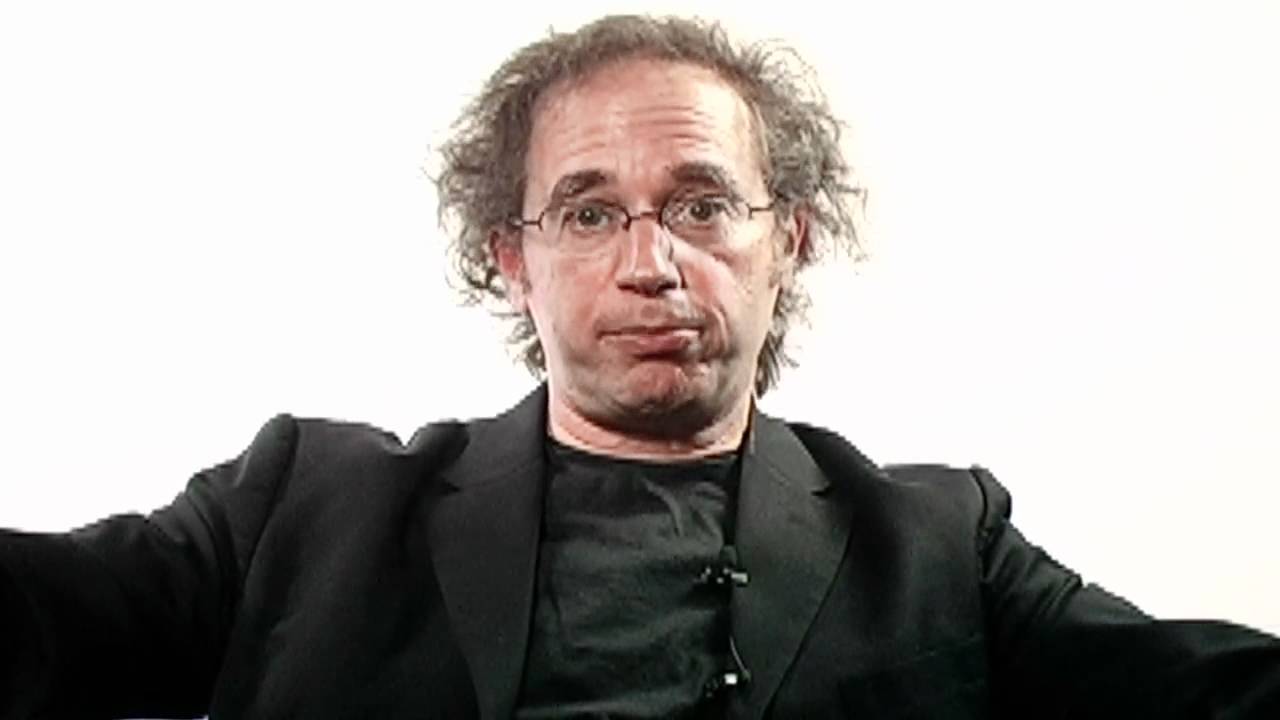
Tod Machover is head of the Media Lab's Hyperinstruments/Opera of the Future group. An influential composer, he has been praised for creating music that breaks traditional artistic and cultural boundaries; his music has been performed and commissioned by some of the world's most important performers and ensembles. In 1995, he received a "Chevalier de l'Ordre des Arts et des Lettres," one of France's highest cultural honors, and in 1998 he was awarded the first DigiGlobe Prize from the German government. He has composed five operas and is the inventor of Hyperinstruments, a technology that uses smart computers to augment virtuosity. Hyperinstruments have been used by performers such as Yo-Yo Ma, Prince, and Peter Gabriel. Machover is also the creator of the Toy Symphony, an international music performance and education project. His research group is currently examining ways to use music in therapy for emotionally and physically challenged individuals. His newest opera, Death and the Powers, to premiere in Monte-Carlo 2010, is being developed by an extraordinary creative team of international artists, designers, writers, and theatrical luminaries, as well as by an interdisciplinary team of Media Lab graduate and undergraduate students. Scored for a small ensemble of specially designed Hyperinstruments, Powers will feature a robotic, animatronic stage—the first of its kind—that will gradually “come alive” as the opera’s main character. Machover, who was formerly director of musical research at Pierre Boulez's IRCAM institute in Paris, received both his BA and MA from the Juilliard School in New York.
----------------------------------------------------------------------------------
TRANSCRIPT:
Question: You are working on the opera of the future. What will it look like?
Tod Machover: Yeah, so I never liked opera growing up. I always liked chamber music or solo music even more than orchestral music. But as I started writing my own music, I kept getting attracted to words and especially to – we talked before, I think, about these imaginary worlds that non-word music creates. You’re somehow following a story, it’s some how important humanly, if it’s good music, but I fill in the details myself. And I started realizing that one of the great things about opera is that if you make the right kind of story, you can still have this kind of abstract subliminal quality to take you on a journey, but you can root it just enough in a particular situation, a particular kind of real situation that a person might have, or a particular context in the real world. If it’s done in the wrong way, it kind of I think puts a straight jacket on music and a lot of the power music has to take us somewhere unexpected can go away. But if you do it in the right way, music’s subliminal power stays and it connects to your own life and to real situations more closely. So, I’ve done a lot of operas. I’ve probably done more different kind of operas than anybody. I’ve been trying to explore this forum to see how to get the most out of it.
First I had The Brain Opera, where the public helps to create it, I did science-fiction opera for the Pompidou Center in Paris, this Magic Opera with Penn and Teller. The one I’m working on now is called Death in the Powers, and it has an original story and libretto by Robert Pinsky, the great poet. And my original images for this opera was, I’m so tired, and in some ways technology is wonderful. I love working with technology because it allows me to follow my imagination and to invent new things. But a lot of the feeling of technology, you know what things sound like when they come through loud speakers, what I looks like when you go to a rock concert and you see a giant screen with Bono’s nose and on stage U-2’s about this big, and so I think in many ways, the texture of technology actually diminishes human beings. It doesn’t augment them.
So I started thinking, well how could we take this kind of hyperinstrument idea of measuring the way humans perform, the way they behave, they way they sing, the way they move, making that larger and more and growing it through the performance.
Read the full transcript at
Sentinel Indexing in Progress
Metadata and chapters are available. Claim extraction for this episode is pending.
All video content is delivered via YouTube embedded players in accordance with the YouTube Terms of Service. Sentinel provides research tools that promote discovery and accountability across political media.