Big Think
@bigthink·8.8M subscribers·10.1K videos
Big Think Interview with Reynold Levy | Big Think
Posted
April 24, 2012
Views
411
Likes
2
Engagement
0.49%
April 24, 2012
411
2
0.49%
Every word spoken in this episode is indexed. Type any phrase to jump straight to the moment it was said.
Type any word or phrase that may have been spoken. Click a result to seek the player to that exact moment.
Try a name, a topic, or a quoted line
You’re on April 24, 2012. Earlier episodes are to the left, later ones to the right — the row keeps loading as you go. Click any card to open it.
 Apr 24, 201213:48Now Playing
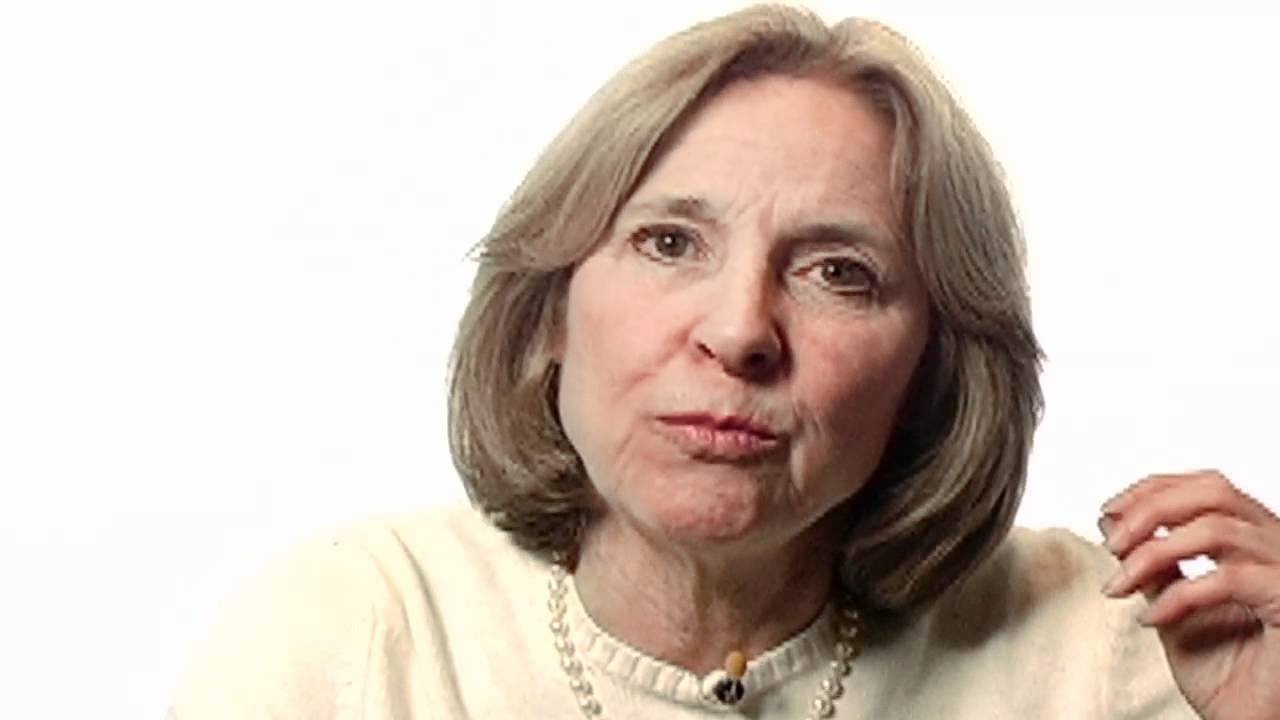
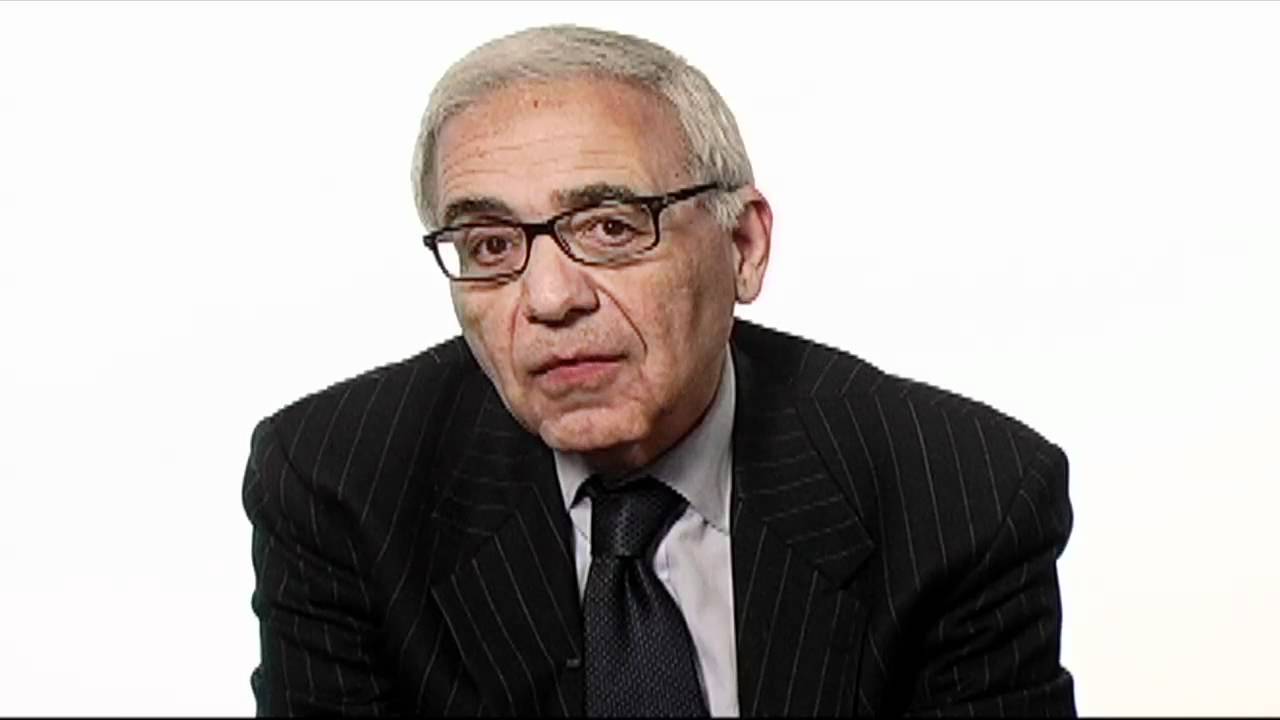
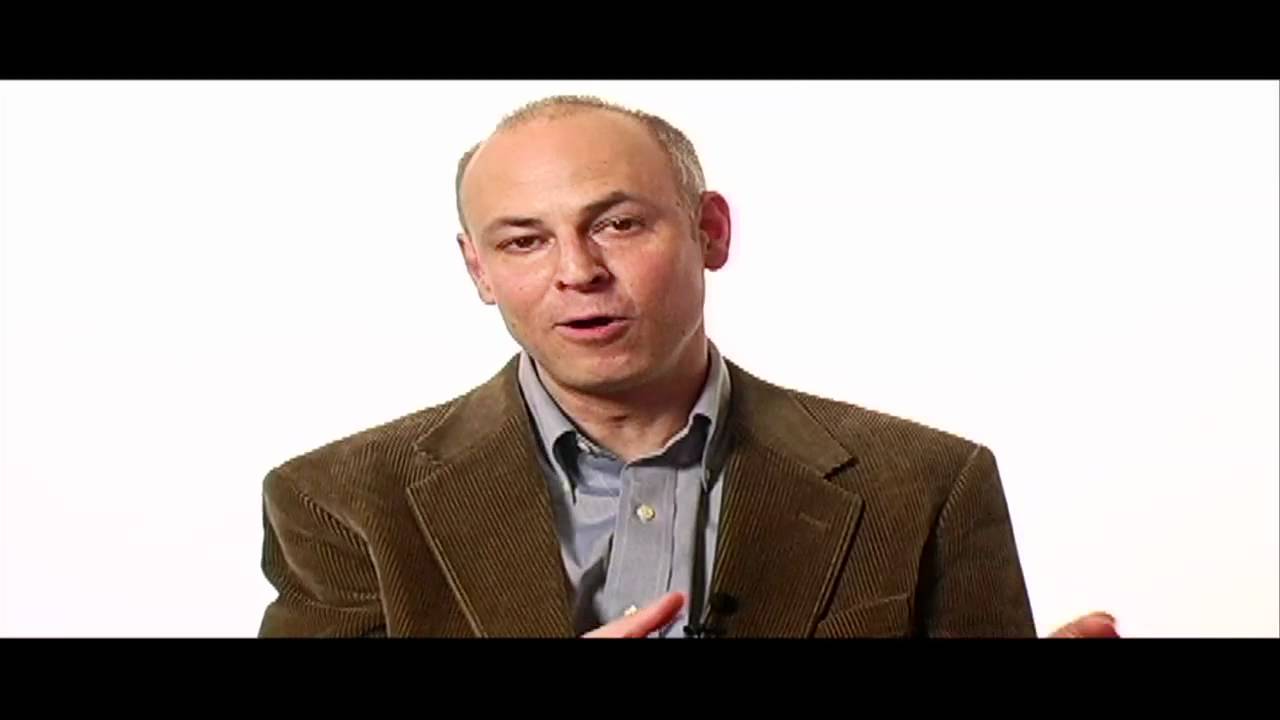
Big Think Interview with Reynold Levy
New videos DAILY
Join Big Think Edge for exclusive videos
----------------------------------------------------------------------------------
A conversation with the president of Lincoln Center.
----------------------------------------------------------------------------------
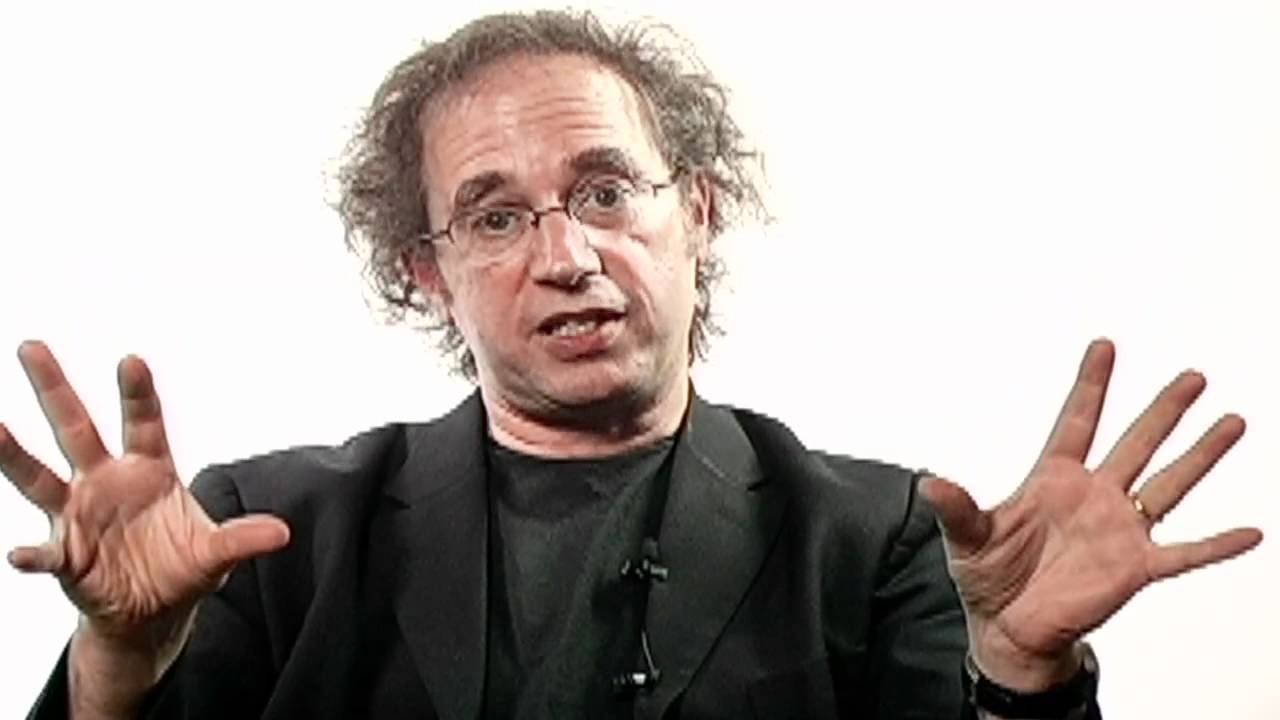
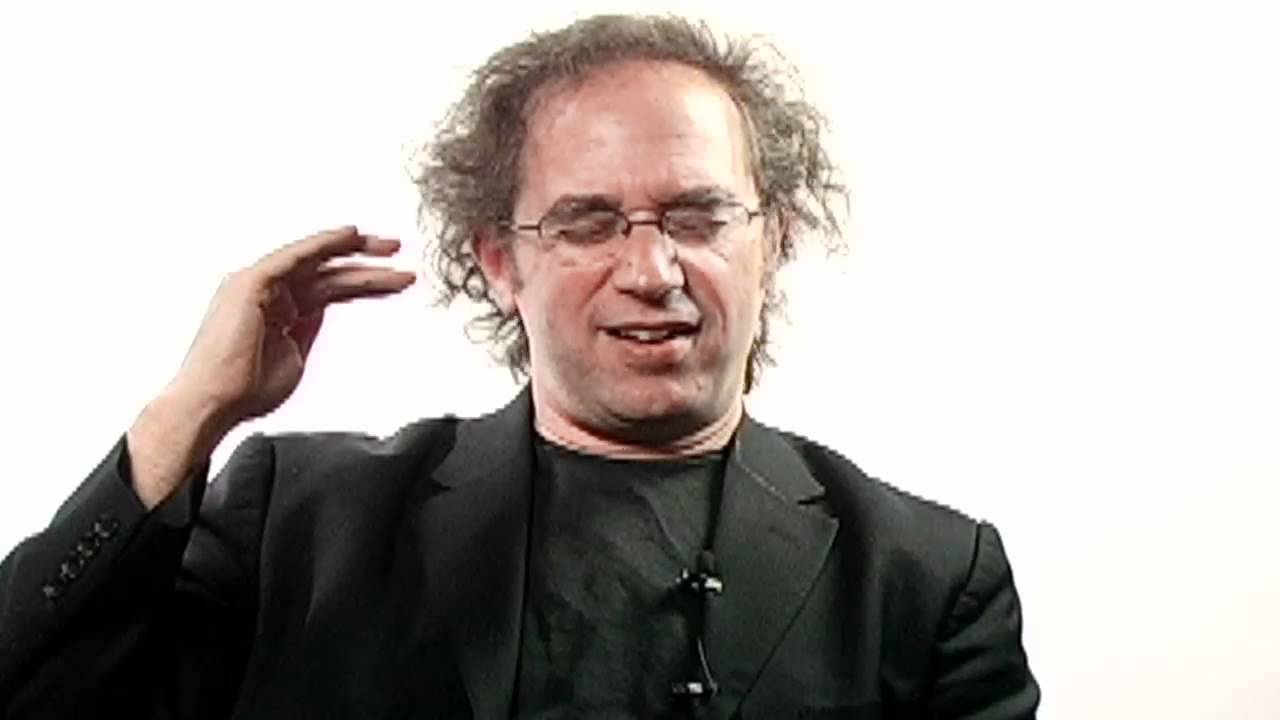
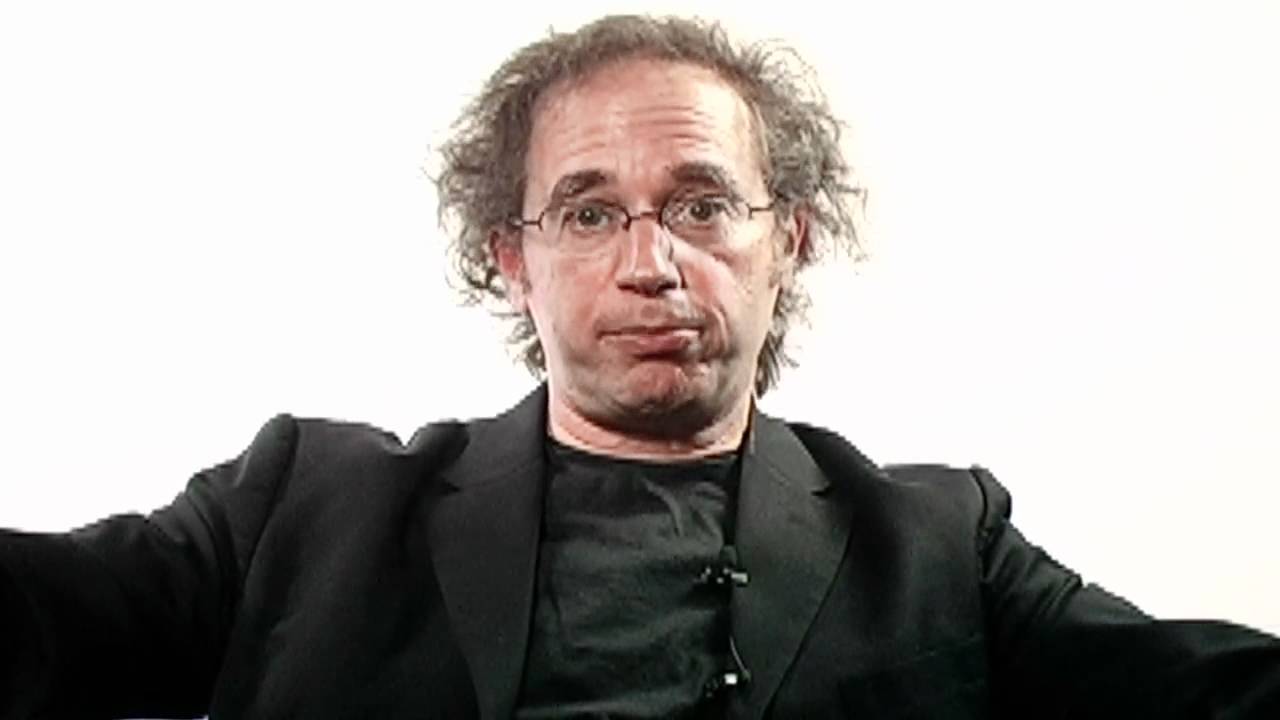
Reynold Levy:
Reynold Levy has been president of the Lincoln Center since 2002. Prior to being selected for this role, he was president of the International Rescue Committee, an international aid organization, for five years; and head of the AT&T Foundation for 12 years. A graduate of Hobart College, he holds a law degree from Columbia University and a Ph.D in government and foreign affairs from the University of Virginia. He lives in New York City.
----------------------------------------------------------------------------------
TRANSCRIPT:
Question: What are your initial steps in trying to find a donor?
Reynold Levy: So, donors are at the cross section between their interests and whatever your non-profit institution does. So, in Lincoln Center’s case that means that the potential donor universe would - could embrace an interest in a particular art form, could embrace an interest in a major civic institution that’s an economic engine on the Upper West Side, could embrace a major tourist attraction, could embrace an institution that cares a great deal about the education of kids, could embrace an institution that provides an enormous amount of free service.
So, you take a look at the spokes of that wheel that reach into various corporate foundation and individual communities. In Lincoln Center’s case that is pretty easily done because most people vote with their feet and find themselves in our concert halls and in our venues, so our donors are literally all around of us, many of them. And so, we do some research on them and then we go see them and talk to them about Lincoln Center.
Question: How do you approach these prospective donors?
Reynold Levy: Well, you do a lot of research into the other donors who support other institutions that do similar work. So, if you're trying to raise money for theatre, you look at a lot of theatre playbills and see who’s given generously to theatre, who’s on theatre boards, who are theatre producers. If you're raising money for ballet you’ll look at dance companies. If you're raising money on the Upper West Side you’ll look at people who live on the Upper West Side, care about the community that thrives. So, your research is very much a function of what you're raising for or where your institution is situated, functionally and geographically.
Question: What impression should fund-raising be attempting to make on donors?
Reynold Levy: You want the donor to feel that their gift will make something happen that would otherwise not happen or make it happen better or make it reach people that would otherwise not be able to be reached. I tell donors all the time that I can guarantee them three things. A gift to Lincoln Center will insure a better night’s sleep, will allow them to live longer and will create an unobstructed pathway to heaven. That’s what giving to Lincoln Center does.
And if it provides those three benefits, how could we refuse anyone that opportunity? So, we try to reach anyone who we care about enough to offer those three benefits.
Question: What expectations should fundraisers be aware of in their donors?
Reynold Levy: Well, corporations, I founded the AT&T Foundation in an earlier part of my career. Corporations have stakeholders, so they’ve got to explain, ultimately, to their share-owners why a gift or a sponsorship benefited the company. So, they're interested in tangible things. How do we improve our brand? How do we use a gift to increase sales? How do we meet government officials? How do we market better? How do we recognize our employees?
Individuals, much easier. They don’t have committees, they don’t have stakeholders. They may have spouses and they may have kids, but they more or less know what they're interested in and what they like and there is a much greater tendency to give philanthropically. Simply to give to the institution because you feel better as a result of doing it. You sleep longer, you live longer and you’re extremely interested in heaven and that’s why you give.
And in all of my career, whether I was at the 92nd Street Y or the International Rescue Committee serving refugees or at Lincoln Center, I have never, ever been involved in a donor who does not thank me. Who does not feel better for having given? It’s like a Peace Corp graduation. I don’t know a single Peace Corp graduate who doesn’t say, “As much as I tried to be helpful when I was in Somalia, my experience gave a lot more to me than I gave to Somalians.”
Read the full transcript at
Sentinel Indexing in Progress
Metadata and chapters are available. Claim extraction for this episode is pending.
All video content is delivered via YouTube embedded players in accordance with the YouTube Terms of Service. Sentinel provides research tools that promote discovery and accountability across political media.