Big Think
@bigthink·8.8M subscribers·10.1K videos
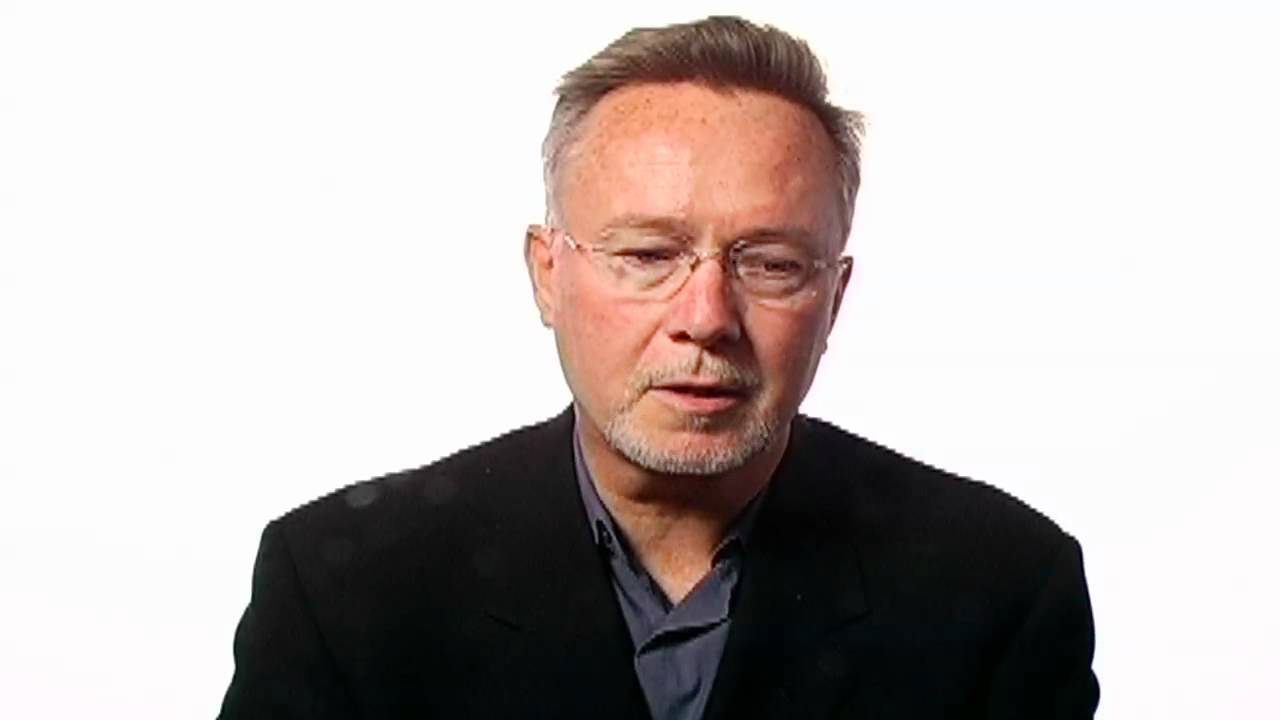
The War for Talent's Next Wave | Mark Foster | Big Think
Posted
April 24, 2012
Views
1,582
April 24, 2012
1,582
Every word spoken in this episode is indexed. Type any phrase to jump straight to the moment it was said.
Type any word or phrase that may have been spoken. Click a result to seek the player to that exact moment.
Try a name, a topic, or a quoted line
You’re on April 24, 2012. Earlier episodes are to the left, later ones to the right — the row keeps loading as you go. Click any card to open it.
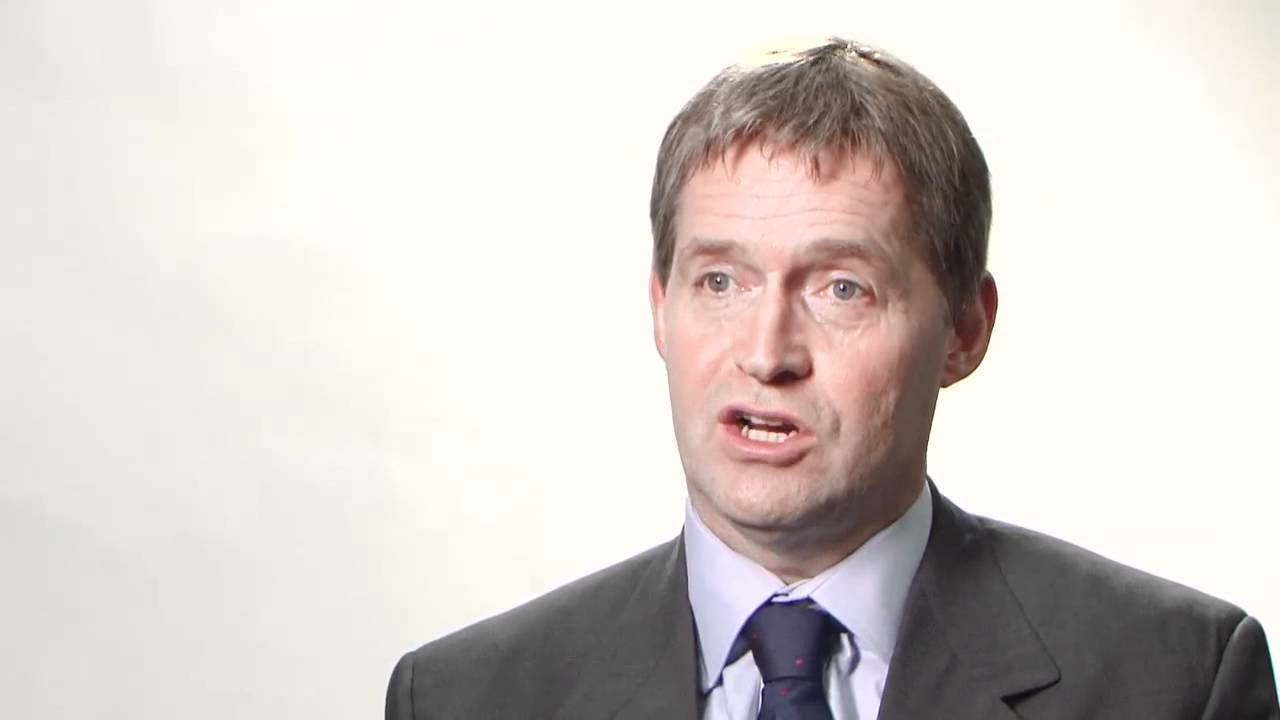 Apr 24, 20124:31Now Playing
The War for Talent's Next Wave
New videos DAILY
Join Big Think Edge for exclusive videos
----------------------------------------------------------------------------------
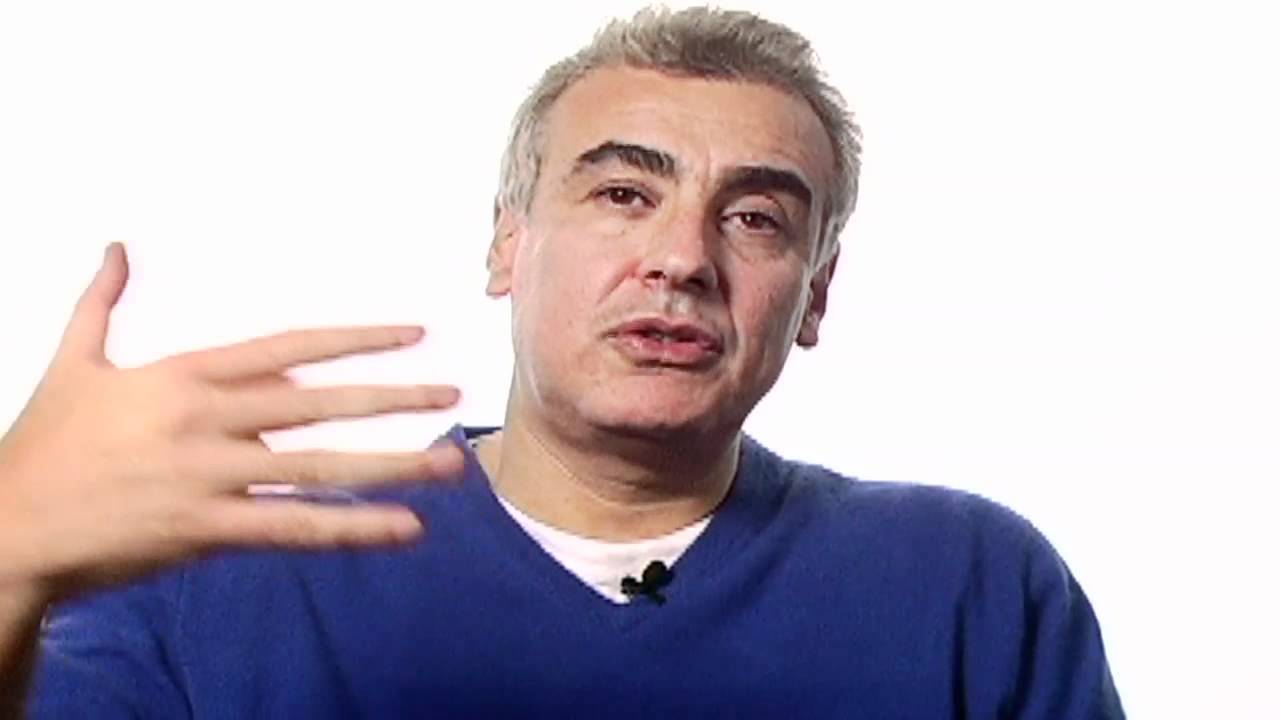
Management consulting expert Mark Foster thinks that businesses need to be poised to tap into new sources of global ability.
----------------------------------------------------------------------------------
TRANSCRIPT:
Question: What are the major challenges leaders in business face while attempting to balance between today and tomorrow?
Mark Foster: Leadership has been tremendously important during this current period. Having the right kind of style of leadership that can balance the necessary tough messages of a difficult time with enough of a sense of the tomorrow has been one of the real challenges for leaders over this past period. Now, as the mood changes, and the needs to get on the front foot and think about growth returns, its also important for leaders to get that balance right because people cannot be too overly optimistic. At the same time, people who do are looking for people to paint a very clear picture about the medium to long term vision for their organizations and to start to see the choices that are being made, the strategic investments that are being placed are against some kind of a sense of a longer term picture.
So leaders have a real imperative right now to keep the balancing act to be between the foot in today and the foot in tomorrow. They need to be also spending a lot of time with their people, with their organization really bringing the top team along with them but also communicating often and frequently down through the organization, both around tough actions are still being taken now but also importantly beginning to paint that very clear picture about where organizations need to go in the future.
Question: How should leaders keep staff motivated?
Mark Foster: Managing talent is a durable theme for all organizations. Clearly, most companies have gone through a very tough time in terms of the actions they've had to take, whether it's been in terms of workforce action, whether it's been in terms of payroll actions, or indeed compensation and promotion actions. Many organizations have been through a period of time when the signals they can send to their workforces have been tough. I think the critical thing has been about the way that people have handled that in terms of the integrity and the honesty and the clarity of the communication that's associated itself with necessary actions.
Now we need to start to see the dial turning again as people have to start to think about how do I now put back some of the things that may be I've not been able to afford to do over the past period. How do I start to paint a picture of where the organization is going and start to send signals through my actions that this is a good place to work and there's an opportunity for people to really, again, set themselves up for the next stage of their career in organizations.
I think it's also important for leaders to be looking to make sure they're accessing new pools of talent that are out there. We're about to engage, I'm sure, in the next wave of the war for talent. That's going to mean that organizations are going to have to be very, very sharp around how they keep their current people motivated but also most importantly how they tap into new sources of talent globally around the world to enable their business plans.
Question: How does a leader respond to demands for sustainability given the current market conditions?
Mark Foster: Well clearly sustainability as a topic was very top of mind going into the downturn and it was also clear that frankly in terms of many company's corporate priorities during that period. It was quite hard to maintain a focus on that.
Having said that, good organizations did link things like their cost management approaches with green approaches; they tried to be lean and green. They tried to think about how they could combine opportunities for cost takeout with a broader business intent around how they provide sustainable business. I think going forward we're going to see a very increased focus on sustainability, in its broadest sense. Everything from yes how do I have an organization that is actually operating in a green way, how do I respond to carbon trading, carbon regulations in my own organization, what that means to my supply chain for my IT and my buildings, et cetera.
Read the full transcript at
Sentinel Indexing in Progress
Metadata and chapters are available. Claim extraction for this episode is pending.
All video content is delivered via YouTube embedded players in accordance with the YouTube Terms of Service. Sentinel provides research tools that promote discovery and accountability across political media.