Bloomberg Podcasts
@bloombergpodcasts·503K subscribers·32.4K videos
Iran Rejects Ceasefire, Trump Amps Threats as Deadline Looms
Posted
April 6, 2026
Views
6,365
Likes
94
Comments
30
Engagement
April 6, 2026
6,365
94
30
1.95%
Every word spoken in this episode is indexed. Type any phrase to jump straight to the moment it was said.
Type any word or phrase that may have been spoken. Click a result to seek the player to that exact moment.
Try a name, a topic, or a quoted line
 5:39Now Playing
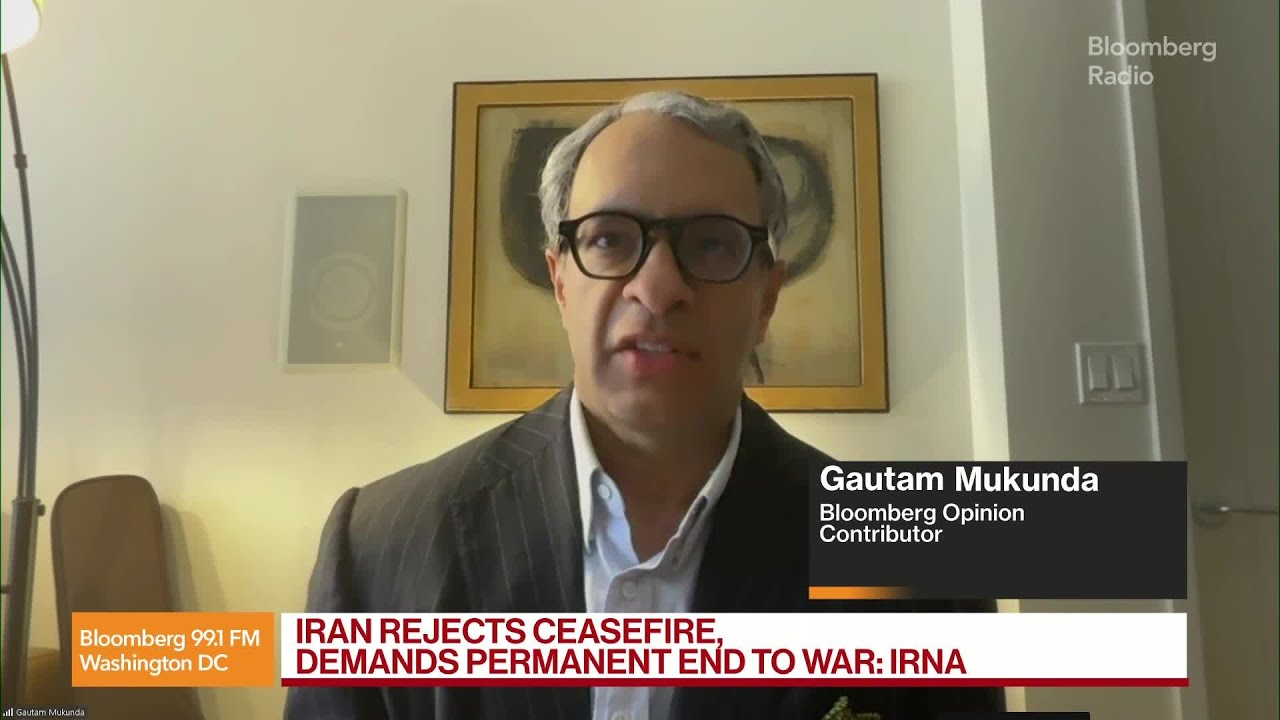
Gautam Mukunda, Lecturer at Yale School of Management and Bloomberg Opinion contributor, discusses the war as Iran rejects a proposed ceasefire and Trump amps up threats.
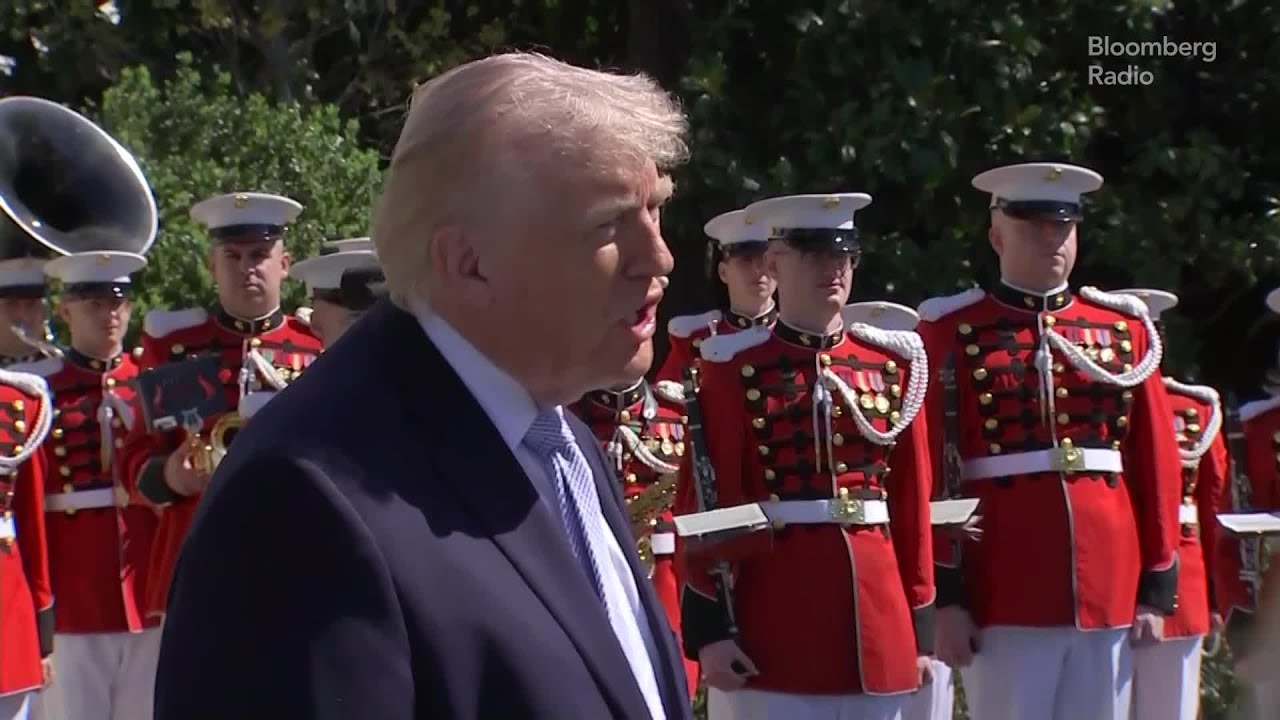
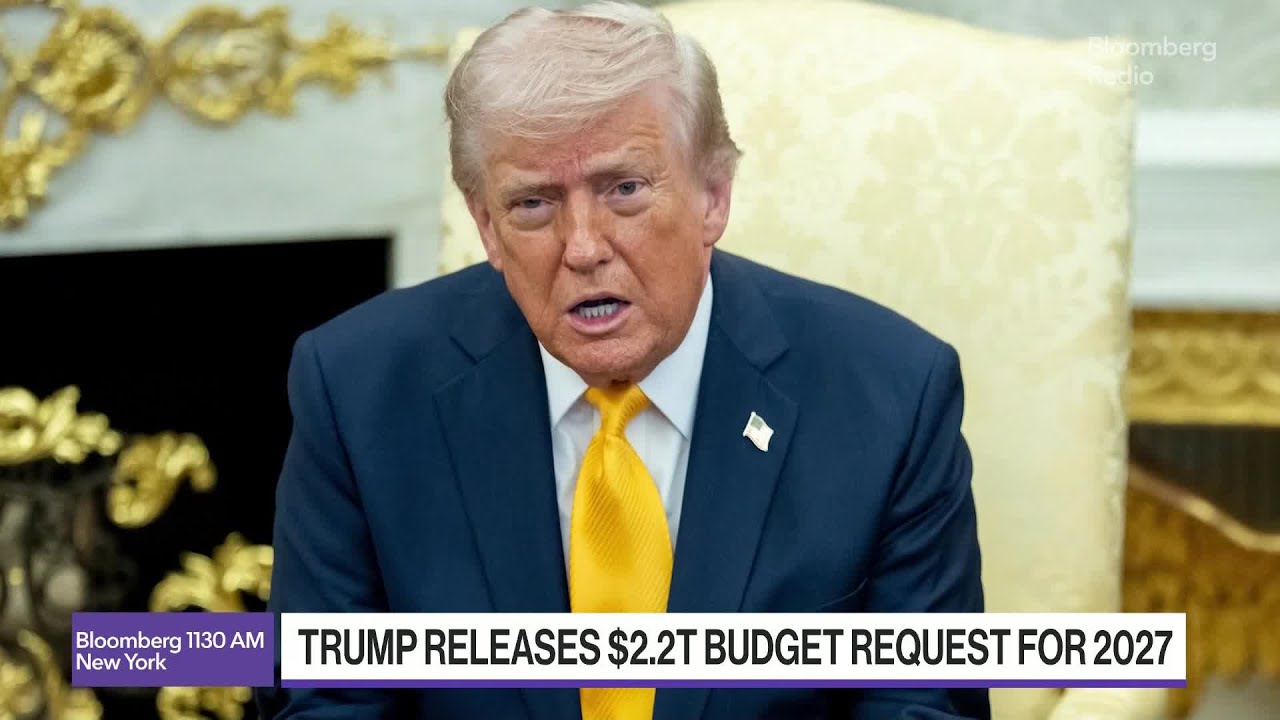
Iran rejected a proposed ceasefire as Donald Trump ramped up his threats less than two days before the US president’s ultimatum to re-open the Strait of Hormuz or face further attacks on civilian infrastructure.
“They don’t want to cry, as the expression goes, ‘uncle,’ but they will, and if they don’t, they’ll have no bridges,” Trump told reporters Monday at the White House. He added that it was “highly unlikely” that he’d move the deadline again.
The president is set to address reporters at a press conference at 1 p.m. in Washington.
Iran demanded a permanent end to the war, lifting of sanctions, and reconstruction efforts, in addition to protocol for safe passage through Hormuz, according to Iran’s state-run IRNA. The rejection, delivered through Pakistani mediators, is the latest blow to efforts to end the month-long war that has triggered a global energy crisis.
Trump cast Iran’s recent proposals as a “very significant step” but not enough to end the fighting.
US allies are reportedly pressing for a last-minute deal with Iran, as Trump extended his deadline to Tuesday for Tehran to reopen the vital waterway, keeping markets on edge over whether a breakthrough can be reached.
Oil prices swung between losses and gains as traders remain focused on real-world movement of oil barrels amid mixed messaging on peace talks. Brent crude traded near $109 a barrel while US crude hovered near $112 a barrel.
Axios reported that Pakistan, Egypt and Turkey are pushing to secure a potential ceasefire — lasting about 45 days — to head off threatened US strikes on Iran’s energy infrastructure and retaliation by the Islamic Republic against countries in the region. President Donald Trump insisted that freedom of navigation through the Strait of Hormuz be part of any deal and escalated threats to obliterate key Iranian infrastructure if his terms aren’t met before a Tuesday deadline.
Trump said Monday that talks with Iran are “going well,” even though he listed reopening the strait as “a very big priority.” The president in recent weeks has said that wasn’t among his core prerequisites for ending the conflict.
“We have to have a deal that’s acceptable to me, and part of that deal is going to be we want free traffic of oil and everything,” he said at a White House news conference.
Trump laid bare the consequences Iran would face if it doesn’t reach a deal by his Tuesday 8 p.m. cut-off, saying the US military could destroy “every bridge in Iran by 12 o’clock tomorrow night.” Power plants would be rendered “burning, exploding and never to be used again,” he said.
Attacking civilian infrastructure is barred by the Geneva Conventions, but Trump said he was “not at all” concerned about committing war crimes.
“I mean complete demolition by 12 o’clock, and it will happen over a period of four hours, if we wanted to,” he said. “We don’t want that to happen.” Trump’s self-imposed deadline marks the latest pivotal moment in the war, now in its second month, which has killed thousands of people and triggered the largest-ever disruption to the global oil market. The president has struggled to find an off-ramp to the conflict — increasingly unpopular with Americans who are seeing average gasoline prices above $4 a gallon.
Iran has warned that it would respond to the kind of strikes Trump is threatening against civilian targets by ramping up its own attacks on energy infrastructure in the Gulf — a move that could heighten the global fuel squeeze and amplify damage to the world economy.
The president’s comments on the strait also appeared to be at odds with past remarks from his administration about whether he’d be willing to end the war with the strait still closed. Last week, White House Press Secretary Karoline Leavitt didn’t list reopening Hormuz as a core US military objective when asked if Trump would declare victory even if passage through the strait remained slow.
--------
Watch Bloomberg Radio LIVE on YouTube
Weekdays 7am-6pm ET
Follow us on X
Subscribe to our Podcasts:
Bloomberg Daybreak
Bloomberg Surveillance
Bloomberg Intelligence
Balance of Power
Bloomberg Businessweek
Listen on Apple CarPlay and Android Auto with the Bloomberg Business app:
Apple CarPlay
Android Auto
Visit our YouTube channels:
Bloomberg Podcasts
Bloomberg Television
Bloomberg Originals
Sentinel Indexing in Progress
Metadata and chapters are available. Claim extraction for this episode is pending.
All video content is delivered via YouTube embedded players in accordance with the YouTube Terms of Service. Sentinel provides research tools that promote discovery and accountability across political media.