Bloomberg Podcasts
@bloombergpodcasts·503K subscribers·32.4K videos
Loan Quality, AI Exposure Continue to Drive Private Credit Angst
Posted
April 6, 2026
Views
1,240
Likes
11
Comments
2
Engagement
April 6, 2026
1,240
11
2
1.05%
Every word spoken in this episode is indexed. Type any phrase to jump straight to the moment it was said.
Type any word or phrase that may have been spoken. Click a result to seek the player to that exact moment.
Try a name, a topic, or a quoted line
 4:24Now Playing
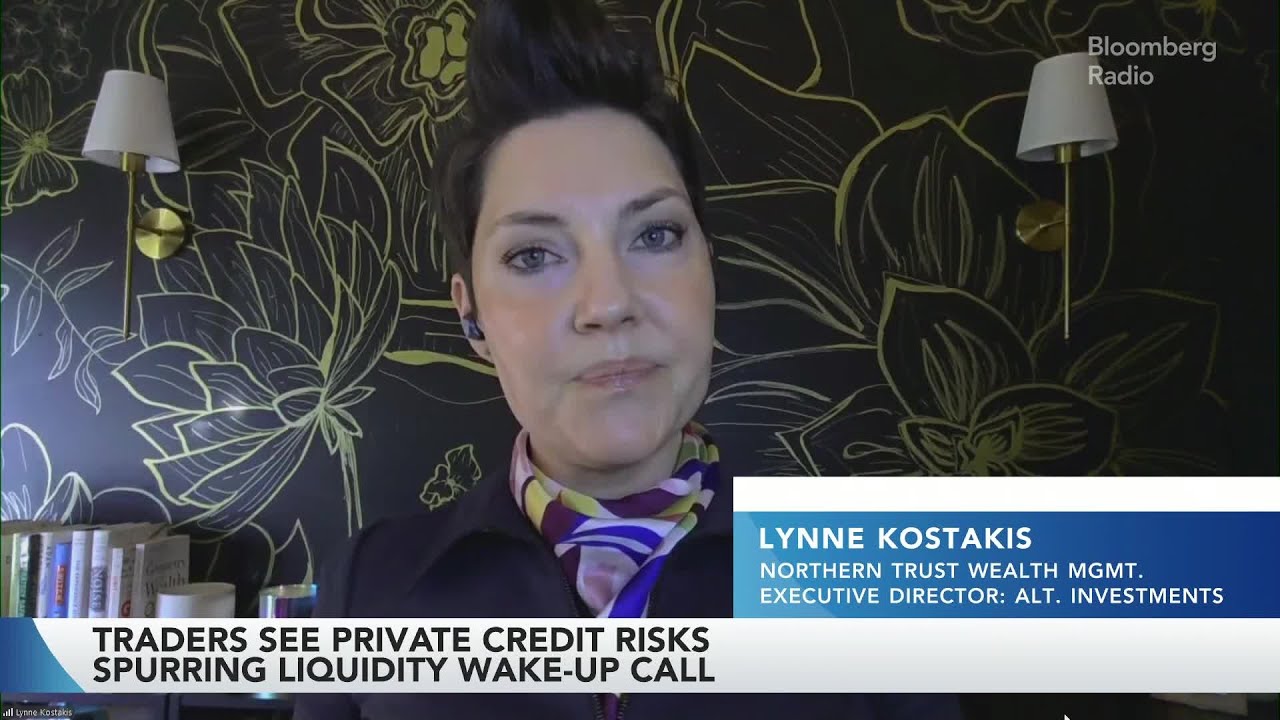
Lynne Kostakis, Executive Director of Alternative Investments at Northern Trust Wealth Management, discusses liquidity pressure in private credit funds.
A $4.9 billion Barings LLC private credit fund capped redemptions after investors asked to pull out 11.3% of the shares in the first quarter.
Barings Private Credit Corp. is paying out less than half of the requests, capping withdrawals at 5%, the fund said in a filing Monday. That means the fund held onto about $180 million of money that investors had wanted back.
“We seek to balance near-term liquidity needs with prudent stewardship of capital for both exiting and remaining investors,” the fund said in a shareholder letter.
The move comes as private credit investors rush to pull money from the $1.8 trillion market amid rising concerns over loan quality and exposure to businesses threatened by AI disruption. Barings is among a growing list of funds opting to curb redemptions, while others have gone to unusual lengths to meet investor demands for cash.
One of the biggest holders of the Barings vehicle is Cliffwater LLC, whose $33 billion private credit interval fund is the largest of its kind. Investors asked to pull 14% from Cliffwater’s flagship fund in the first quarter, and were capped at 7%.
Barings said its decision to limit redemptions to 5% will allow it to seize opportunities created by the turbulence in the market.
Barings said that despite the withdrawals, the credit quality of its portfolio remains “strong.” So-called non-accruals, which refer to loans no longer generating interest income, were at 0.4% of the portfolio at the end of December, below the historical industry average of 0.9%, the fund said. Private Credit
Also in his shareholder letter, Dimon included private credit among a list of potential risks on the horizon. Last year, the JPMorgan CEO warned that some emerging credit losses likely signaled a risk of more cockroaches in the system.
High-profile collapses and frauds, as well as fears about artificial intelligence disrupting software companies, have continued to sting direct lenders in recent months. That’s led investors to seek to pull more money from funds overseen by asset managers including Blue Owl Capital Inc.
Dimon said private credit “probably does not” pose a systemic risk. But he cautioned that losses on leveraged lending will be higher-than-expected in part because of “modestly” weakened credit standards.
“By and large, private credit does not tend to have great transparency or rigorous valuation ‘marks’ of their loans — this increases the chance that people will sell if they think the environment will get worse — even if actual realized losses barely change,” he said.
He also expressed some apprehension about the private equity industry, saying that it’s a “little surprising” that the alternative asset managers didn’t seize as much on healthy markets to take more of their companies public. Instead, some have been moved to continuation funds, he said.
“Private equity investments are now held for an average of seven years — this is virtually double what it used to be,” he said. “We have generally had nothing but a bull market since the great financial crisis — it’s hard to im
--------
Watch Bloomberg Radio LIVE on YouTube
Weekdays 7am-6pm ET
Follow us on X
Subscribe to our Podcasts:
Bloomberg Daybreak
Bloomberg Surveillance
Bloomberg Intelligence
Balance of Power
Bloomberg Businessweek
Listen on Apple CarPlay and Android Auto with the Bloomberg Business app:
Apple CarPlay
Android Auto
Visit our YouTube channels:
Bloomberg Podcasts
Bloomberg Television
Bloomberg Originals
Sentinel Indexing in Progress
Metadata and chapters are available. Claim extraction for this episode is pending.
All video content is delivered via YouTube embedded players in accordance with the YouTube Terms of Service. Sentinel provides research tools that promote discovery and accountability across political media.