Bloomberg Podcasts
@bloombergpodcasts·503K subscribers·32.4K videos
Stocks Rise, Oil Falls as Traders Gauge Truce Odds
Posted
April 6, 2026
Views
1,866
Likes
18
Comments
5
Engagement
1.23%
April 6, 2026
1,866
18
5
1.23%
Every word spoken in this episode is indexed. Type any phrase to jump straight to the moment it was said.
Type any word or phrase that may have been spoken. Click a result to seek the player to that exact moment.
Try a name, a topic, or a quoted line
 4:07Now Playing
Colin Graham, Head of Multi-Asset Strategies at Robeco, breaks down his view on the markets as truce efforts spur a cautious advance in stocks.
Signs of last-ditch efforts to secure a truce in the war that has rattled global markets spurred a cautious advance in stocks as oil retreated.
Equities rose for a fourth straight session, with the S&P 500 set for its longest winning streak since January amid hopes for a push toward a ceasefire in the Middle East. Micron Technology Inc. led gains in chipmakers. US crude dropped to around $111. The dollar fell. Bonds wavered.
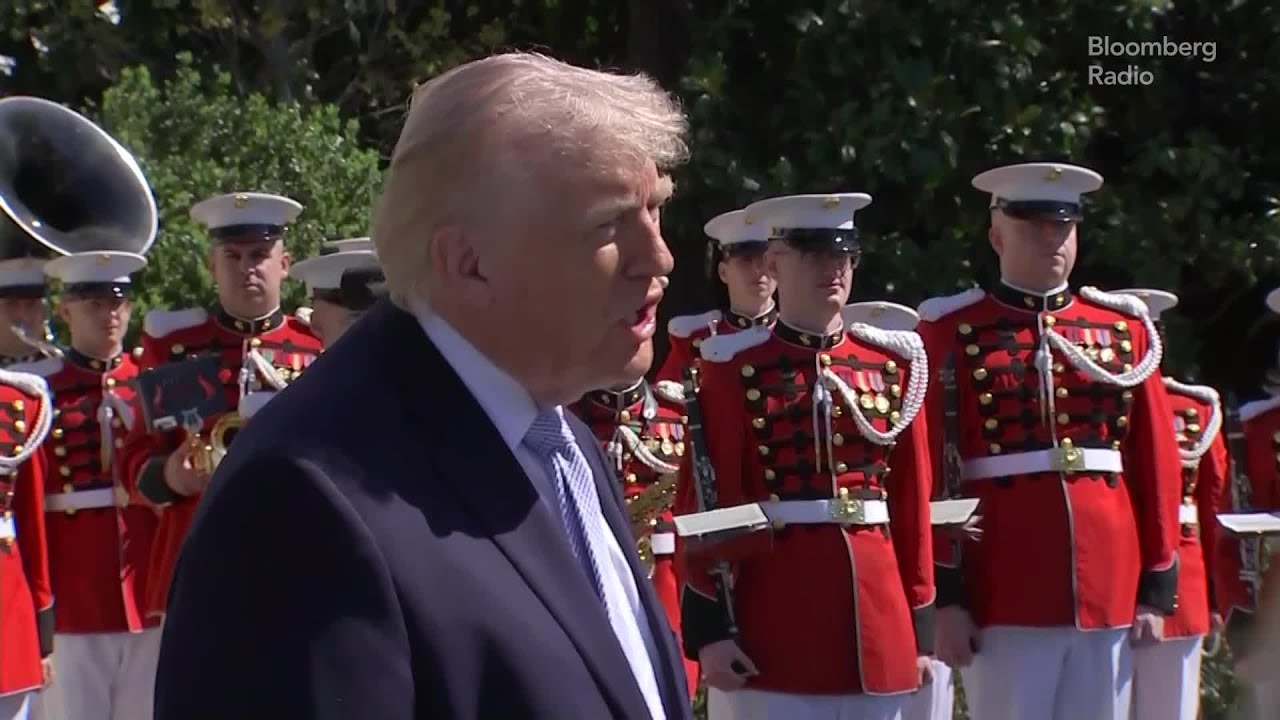
US allies are reportedly pressing for a deal with Iran as President Donald Trump extended his deadline to Tuesday for Tehran to reopen the Strait of Hormuz. Axios reported that Pakistan, Egypt and Turkey are pushing for a ceasefire lasting about 45 days.
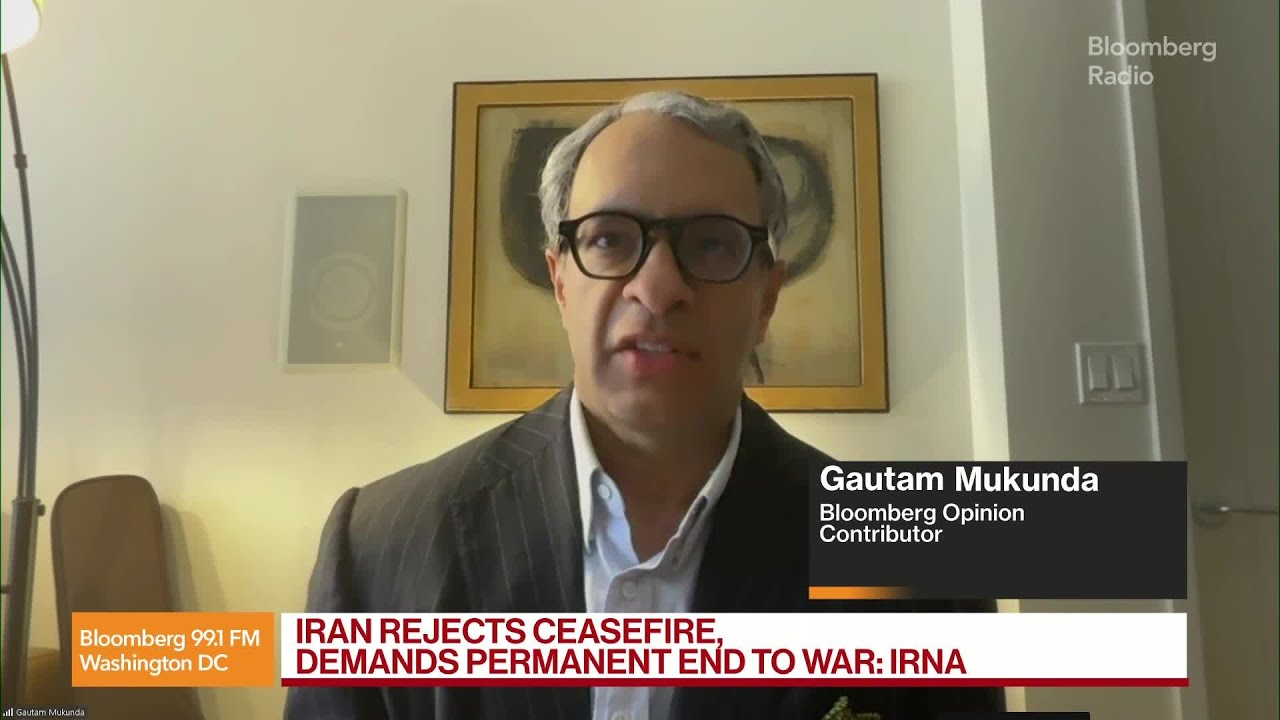
Iran conveyed its response to the US proposal via Pakistan after two weeks of comprehensive reviews, according to a local TV report. The nation rejected a ceasefire while demanding a permanent end to the war in line with Tehran’s considerations.
Trump said he plans a news conference at 1 p.m. on Monday.
“Markets remain vulnerable to the shifting sentiment surrounding the Middle East,” said Ian Lyngen at BMO Capital Markets. “Suffice it to say, the President’s comments will most likely have a clear impact on setting the sentiment in risk assets as Tuesday evening’s deadline looms.”
While traders kept a close eye on the latest geopolitical developments, they awaited this week’s key inflation readings. Data showed the US service economy expanded in March at a slower pace as employment shrank by the most since 2023 and input prices accelerated sharply. Traffic through the Strait of Hormuz has climbed to its highest levels since the early days of the war, as more countries secure apparent safe-passage agreements with Iran.
The waterway saw 21 ships transit over the weekend as more energy-starved governments negotiate to extract vessels, cargoes and crews from the Persian Gulf, strengthening Tehran’s grip on the waterway. That’s the highest two-day total since the first days of March, when traffic was winding down.
Of those vessels, 13 headed out into the Arabian Sea.
Iranian vessels continue to dominate traffic, but on Sunday a tanker carrying Iraqi crude made its way through the strait, after Iran said it would grant an exemption to “brotherly Iraq”. India — which has negotiated the exit of some ships, and even taken Iranian liquefied petroleum gas for the first time in years — has now seen eight of its LPG tankers come through.
Though the number of vessels is still a fraction of what it was before the war, when about 135 vessels were passing regularly each day, more countries are securing transits. Last week, two China-linked container ships made the crossing on a second attempt. Two Japan-linked vessels have also passed. The Strait of Hormuz, a narrow corridor connecting the Persian Gulf with the rest of the world, has become a focal point as the war enters its sixth week, with US President Donald Trump threatening to hit civilian infrastructure and bring “Hell” to Iran if it does not reopen the passage. Tehran has said it will only do so after the tolls that it’s charging vessels for transit can cover war damages.
“Iran is responding to requests from its partners while reinforcing its grip on Hormuz,” said Muyu Xu, a senior crude oil analyst at Kpler Ltd. in Singapore. “Passage is still at Iran’s mercy and the situation could change at any time if the conflict escalates.”
Iran is also advancing a law governing its control of the strait and fees for passage, a move that formalizes an idiosyncratic payment system that has been in place for weeks, according to shipowners. While Tehran is negotiating with friendly nations, the terms of these deals remain opaque. This is true even when the agreements are publicly recognized, as with Iraq over the weekend. It is even more so in cases where it is unclear which counterparties secured safe-passage, as with ships linked to France and Japan.
--------
Watch Bloomberg Radio LIVE on YouTube
Weekdays 7am-6pm ET
Follow us on X
Subscribe to our Podcasts:
Bloomberg Daybreak
Bloomberg Surveillance
Bloomberg Intelligence
Balance of Power
Bloomberg Businessweek
Listen on Apple CarPlay and Android Auto with the Bloomberg Business app:
Apple CarPlay
Android Auto
Visit our YouTube channels:
Bloomberg Podcasts
Bloomberg Television
Bloomberg Originals
Sentinel Indexing in Progress
Metadata and chapters are available. Claim extraction for this episode is pending.
All video content is delivered via YouTube embedded players in accordance with the YouTube Terms of Service. Sentinel provides research tools that promote discovery and accountability across political media.