Bloomberg Podcasts
@bloombergpodcasts·503K subscribers·32.4K videos
Oil Swings as Iran Rejects Ceasefire, Trump Reups Hormuz Demand
Posted
April 6, 2026
Views
7,007
Likes
50
Comments
13
Engagement
April 6, 2026
7,007
50
13
0.90%
Every word spoken in this episode is indexed. Type any phrase to jump straight to the moment it was said.
Type any word or phrase that may have been spoken. Click a result to seek the player to that exact moment.
Try a name, a topic, or a quoted line
 5:35Now Playing
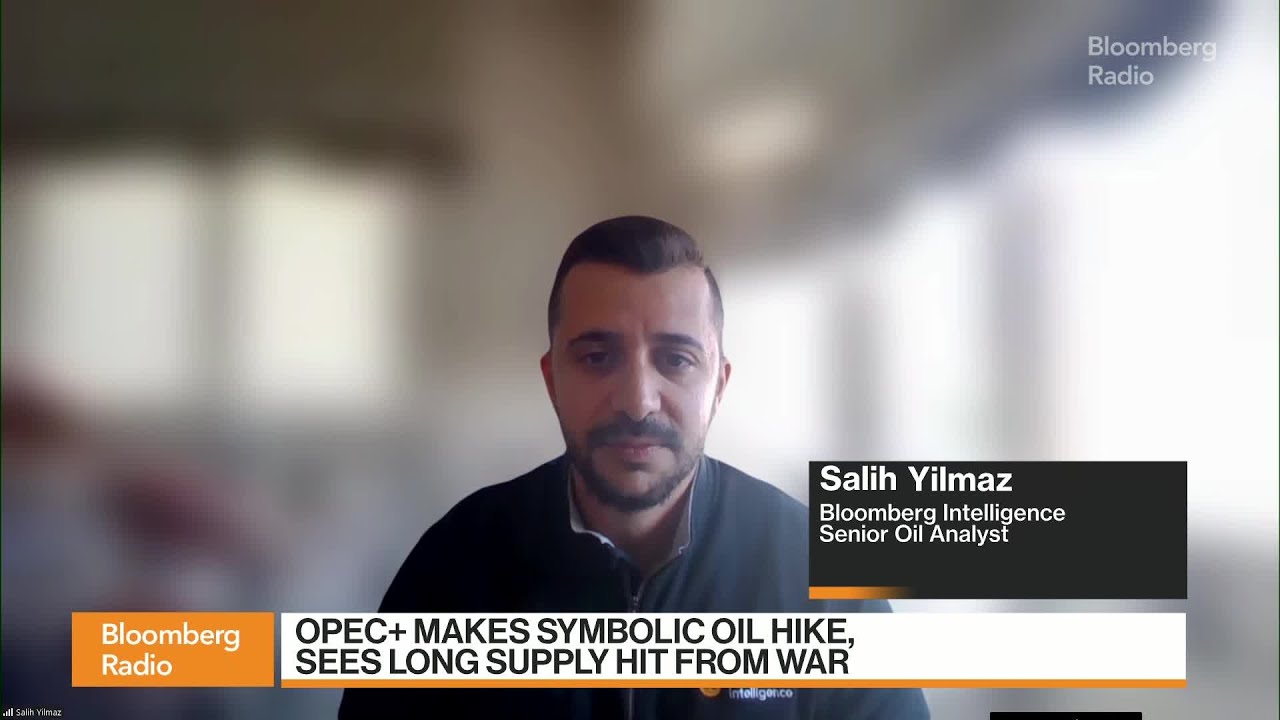
Salih Yilmaz, Bloomberg Intelligence Senior Oil Analyst, discusses the oil market reaction to Iran's ceasefire rejection.
Oil swung after Iran rejected a proposed ceasefire and US President Donald Trump again threatened to bomb the country’s infrastructure if Tehran doesn’t cede to demands and reopen the Strait of Hormuz.
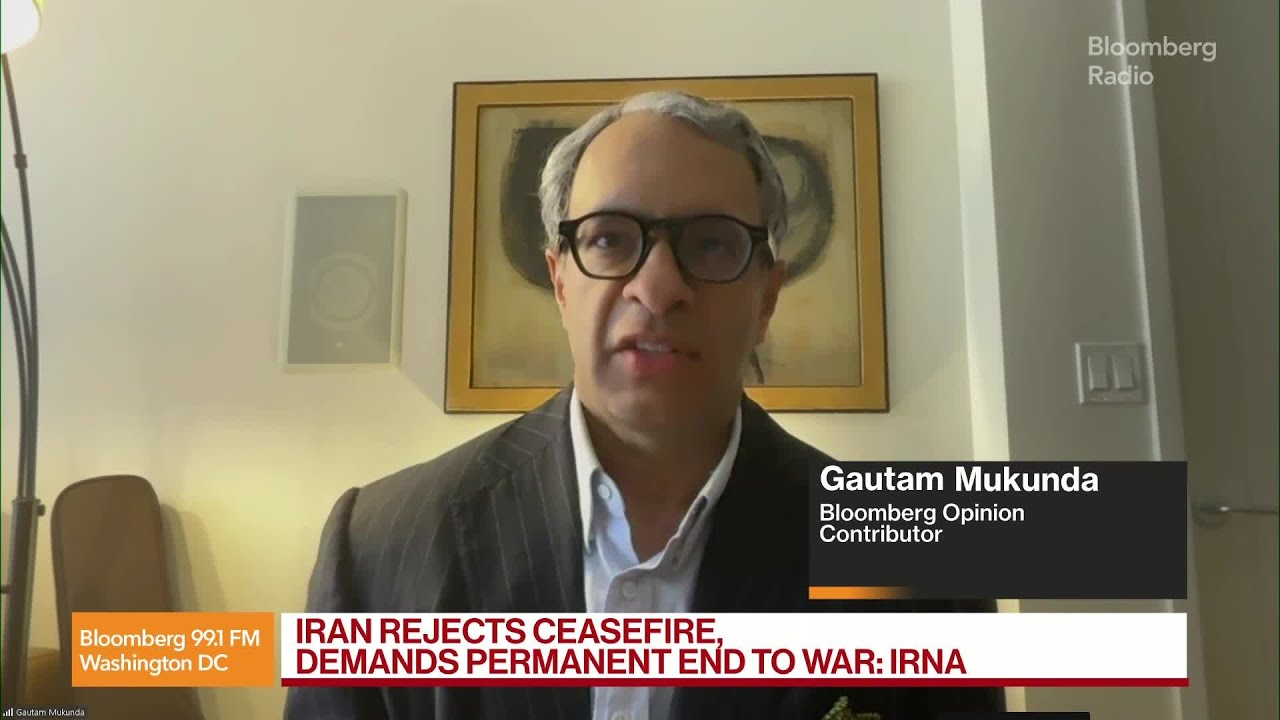
West Texas Intermediate traded near $112 a barrel, after earlier rising close to $115. Iran rejected a ceasefire proposal floated by regional mediators saying it wanted a permanent end to the war, a lifting of sanctions, and reconstruction efforts, in addition to protocol for safe passage through Hormuz, according to Iranian state TV.
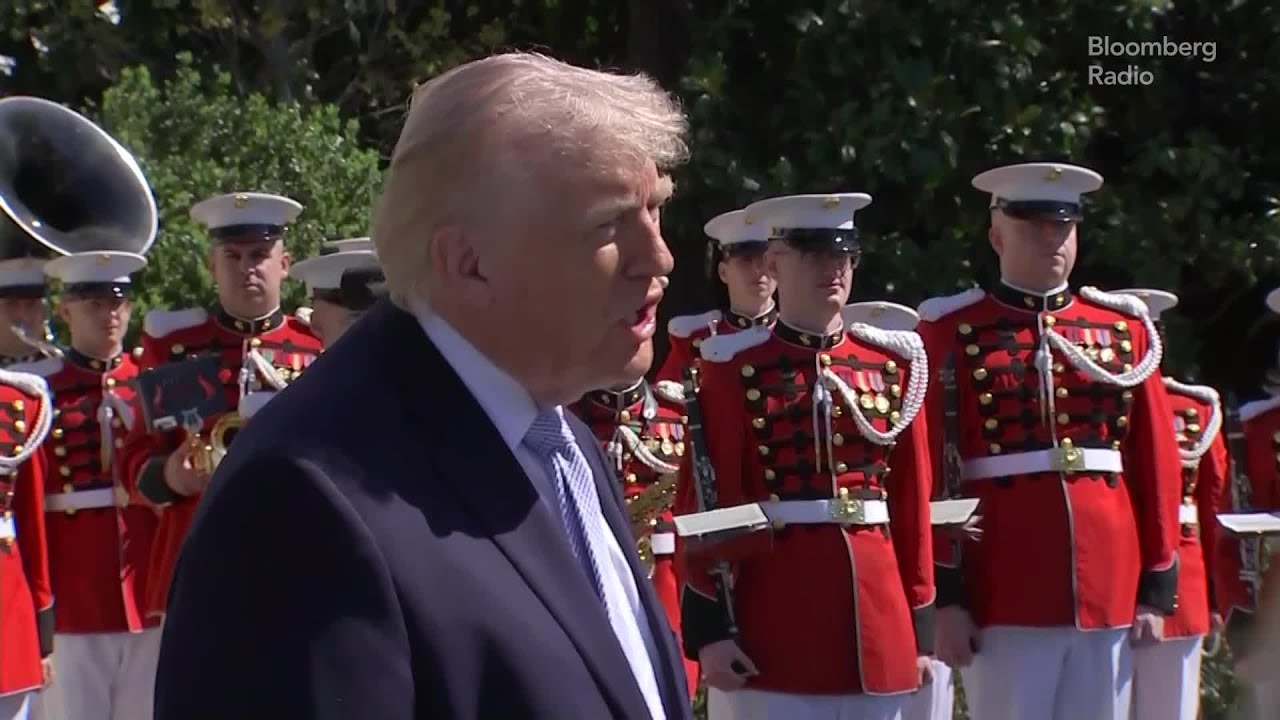
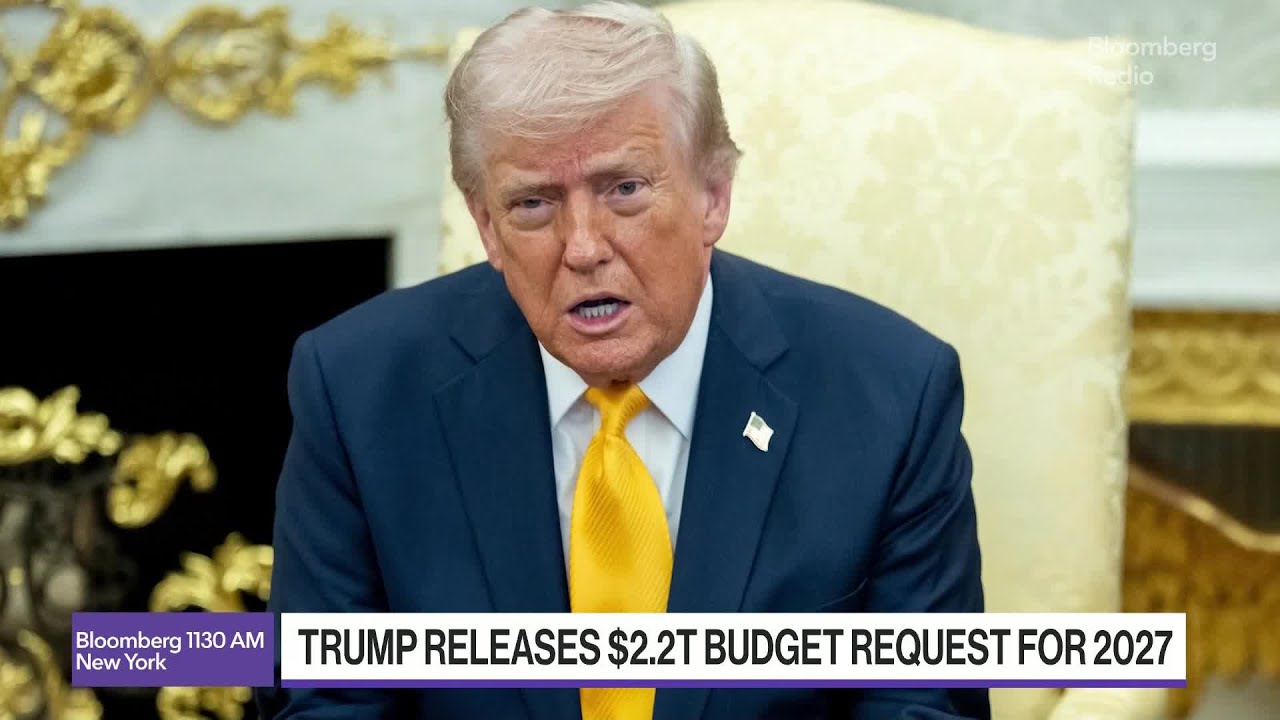
Trump again said the US would target Iran’s power plants and bridges if it doesn’t comply with his demands by a Tuesday, 8 p.m. ET deadline. “We could leave right now, but I want to finish it up,” Trump said on Monday at the White House. He’s due to hold a news conference at 1 p.m. ET.
The oil market is racing against time, with the chokepoint for about a fifth of global shipments largely blocked since the US-Israel war on Iran began in late February. Prices of some barrels, from crude to jet fuel, have soared across the world since the war began, in what the International Energy Agency is calling the biggest supply disruption ever. The longer the war continues, the higher prices are likely to go, likely triggering a ripple inflationary effect.
“We no longer just see the situation as a snowball rolling faster and faster down the mountain, but as an avalanche,” said Arne Lohmann Rasmussen, chief analyst at A/S Global Risk Management. “Oil and product markets are now shifting from focusing on the risk of supply disruptions — what we also refer to as the geopolitical risk premium — towards increasingly focusing on the actual conditions in the physical market — the physical premium.” President Donald Trump insisted that freedom of navigation through the Strait of Hormuz be part of any deal and escalated threats to obliterate key Iranian infrastructure if his terms aren’t met before a Tuesday deadline.
Trump said Monday that talks with Iran are “going well,” even though he listed reopening the strait as “a very big priority.” The president in recent weeks has said that wasn’t among his core prerequisites for ending the conflict.
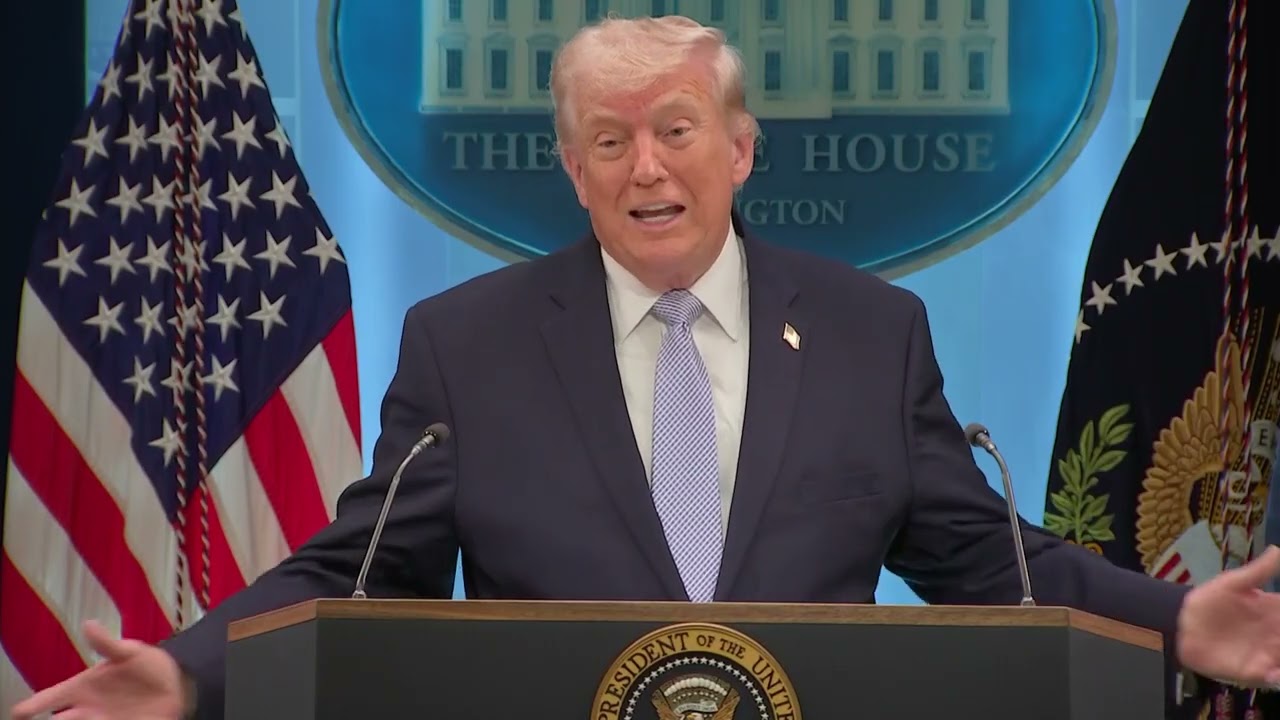
“We have to have a deal that’s acceptable to me, and part of that deal is going to be we want free traffic of oil and everything,” he said at a White House news conference.
Trump laid bare the consequences Iran would face if it doesn’t reach a deal by his Tuesday 8 p.m. cut-off, saying the US military could destroy “every bridge in Iran by 12 o’clock tomorrow night.” Power plants would be rendered “burning, exploding and never to be used again,” he said.
Attacking civilian infrastructure is barred by the Geneva Conventions, but Trump said he was “not at all” concerned about committing war crimes.
“I mean complete demolition by 12 o’clock, and it will happen over a period of four hours, if we wanted to,” he said. “We don’t want that to happen.” Trump’s self-imposed deadline marks the latest pivotal moment in the war, now in its second month, which has killed thousands of people and triggered the largest-ever disruption to the global oil market. The president has struggled to find an off-ramp to the conflict — increasingly unpopular with Americans who are seeing average gasoline prices above $4 a gallon.
Iran has warned that it would respond to the kind of strikes Trump is threatening against civilian targets by ramping up its own attacks on energy infrastructure in the Gulf — a move that could heighten the global fuel squeeze and amplify damage to the world economy.
The president’s comments on the strait also appeared to be at odds with past remarks from his administration about whether he’d be willing to end the war with the strait still closed. Last week, White House Press Secretary Karoline Leavitt didn’t list reopening Hormuz as a core US military objective when asked if Trump would declare victory even if passage through the strait remained slow.
--------
Watch Bloomberg Radio LIVE on YouTube
Weekdays 7am-6pm ET
Follow us on X
Subscribe to our Podcasts:
Bloomberg Daybreak
Bloomberg Surveillance
Bloomberg Intelligence
Balance of Power
Bloomberg Businessweek
Listen on Apple CarPlay and Android Auto with the Bloomberg Business app:
Apple CarPlay
Android Auto
Visit our YouTube channels:
Bloomberg Podcasts
Bloomberg Television
Bloomberg Originals
Sentinel Indexing in Progress
Metadata and chapters are available. Claim extraction for this episode is pending.
All video content is delivered via YouTube embedded players in accordance with the YouTube Terms of Service. Sentinel provides research tools that promote discovery and accountability across political media.