Bloomberg Podcasts
@bloombergpodcasts·503K subscribers·32.4K videos
War Puts Long-Lasting Strain on Global Trading
Posted
April 9, 2026
Views
1,098
Likes
14
Comments
1
Engagement
1.37%
April 9, 2026
1,098
14
1
1.37%
Every word spoken in this episode is indexed. Type any phrase to jump straight to the moment it was said.
Type any word or phrase that may have been spoken. Click a result to seek the player to that exact moment.
Try a name, a topic, or a quoted line
 5:26Now Playing
Sébastien Page, CIO & Head of Global Multi-Asset at T. Rowe Price, discusses the balance between inflation hedging and equity exposure.
Wall Street traders drove stocks higher as an oil rally waned on hopes that a US ceasefire deal will hold after Israel agreed to direct talks with Lebanon.
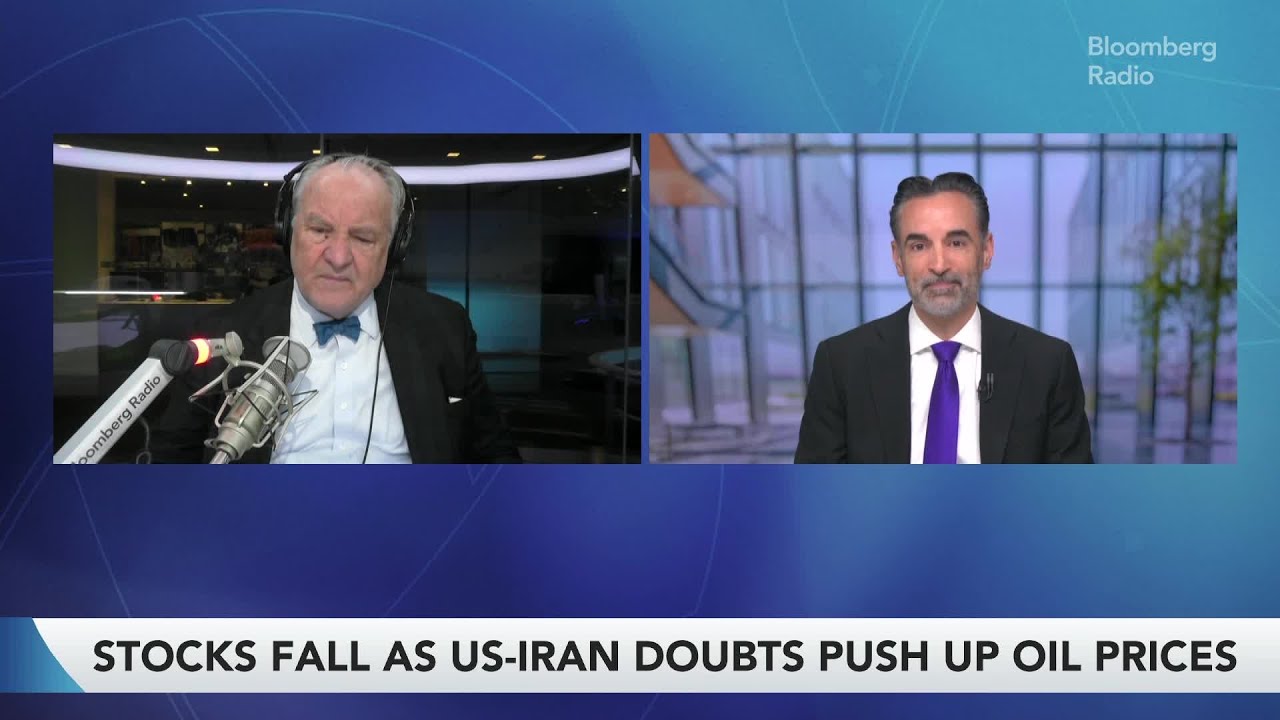
Equities erased losses, with the S&P 500 climbing for a seventh consecutive session. That’s the longest winning streak since October. US crude traded below $100 after briefly topping that mark on concern about the ongoing closure of the Strait of Hormuz and the sustainability of the truce agreement with Iran.
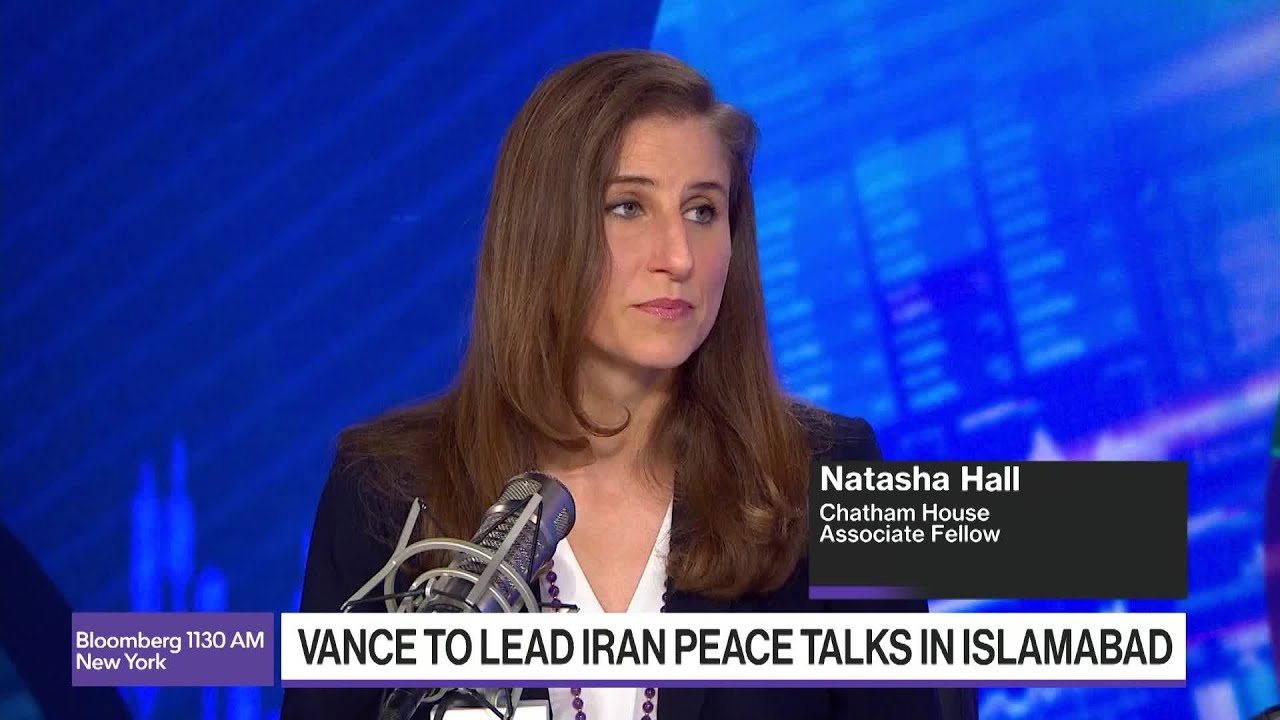
The US and Iran prepared for peace talks in Pakistan later this week, though pivotal issues such as control over Hormuz and Israel’s offensive in Lebanon remain unresolved.
Ship traffic through the Strait remained limited to a handful of Iran-linked ships, another sign the truce between the US and Iran has yet to improve flows through the world’s key energy chokepoint.
“As geopolitical uncertainty remains high, not much matters for the market other than the durability of the ceasefire, shipping volume through the Strait of Hormuz and ultimately, whether a bona fide permanent deal is struck,” said Bradford Smith at Janus Henderson Investors.
Brent crude is set to average more than $100 a barrel through 2026 if the vital waterway remains closed for another month, according to Goldman Sachs Group Inc. - Wall Street traders paced a rebound in stocks as an oil rally waned after Israel agreed to direct talks with Lebanon, bolstering expectations that a US ceasefire deal will hold.
The S&P 500 rose for a seventh straight session, the longest advance since October. That’s despite a renewed selloff in software shares. US crude hovered near $98 on hopes for a de-escalation in strikes that had prompted Iran to keep the vital Strait of Hormuz largely blocked.
Traders parse geopolitical news.
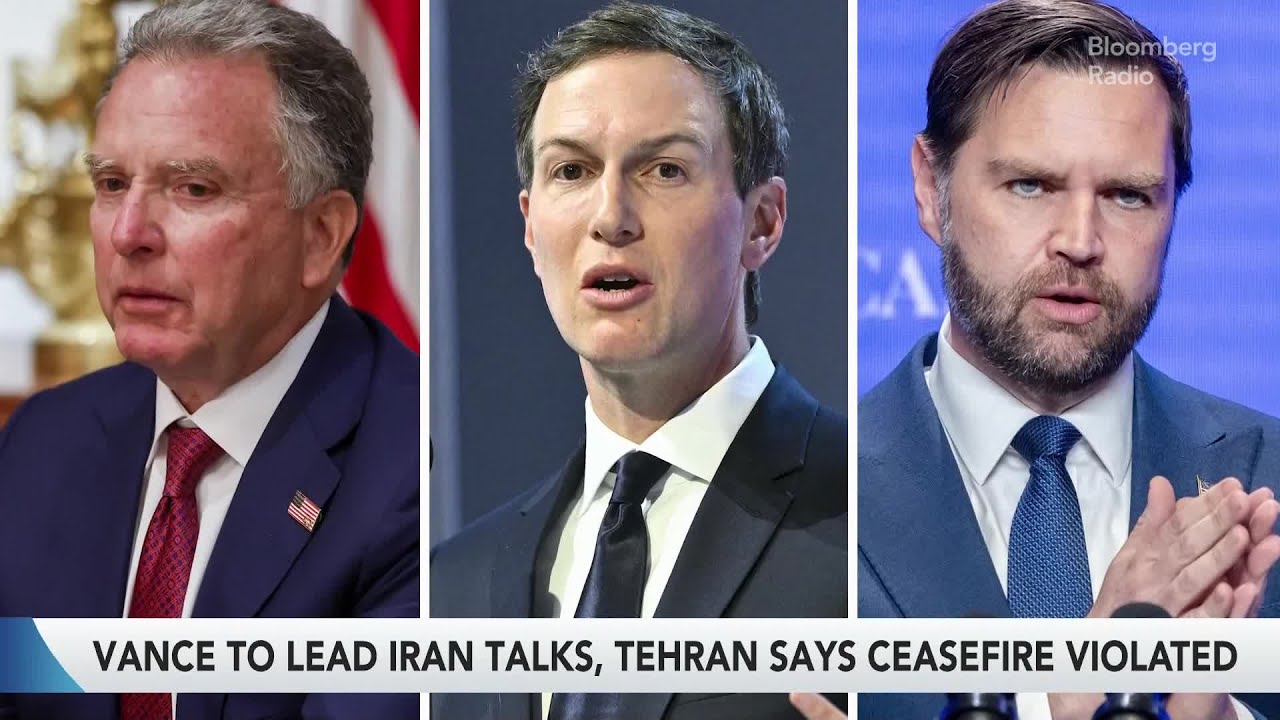
The US and Iran prepared for peace talks in Pakistan after agreeing on a two-week ceasefire, though issues such as Israel’s offensive in Lebanon and the opening of Hormuz remain unresolved.
Israeli Prime Minister Benjamin Netanyahu agreed to hold direct talks with Lebanon, with the focus on disarming Tehran-aligned Hezbollah. President Donald Trump has asked him for a scale-back in strikes to ensure the success of negotiations with Iran, NBC reported.
“Not much matters for the market other than the durability of the ceasefire, shipping volume through the Strait of Hormuz and ultimately, whether a bona fide permanent deal is struck,” said Bradford Smith at Janus Henderson Investors.
--------
Watch Bloomberg Radio LIVE on YouTube
Weekdays 7am-6pm ET
Follow us on X
Subscribe to our Podcasts:
Bloomberg Daybreak
Bloomberg Surveillance
Bloomberg Intelligence
Balance of Power
Bloomberg Businessweek
Listen on Apple CarPlay and Android Auto with the Bloomberg Business app:
Apple CarPlay
Android Auto
Visit our YouTube channels:
Bloomberg Podcasts
Bloomberg Television
Bloomberg Originals
Sentinel Indexing in Progress
Metadata and chapters are available. Claim extraction for this episode is pending.
All video content is delivered via YouTube embedded players in accordance with the YouTube Terms of Service. Sentinel provides research tools that promote discovery and accountability across political media.