Daniel Davis Deep Dive
@danieldavisdeepdive·442K subscribers·4.9K videos
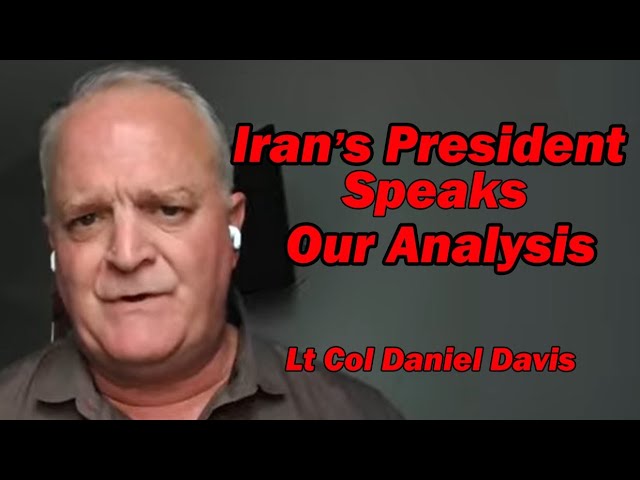
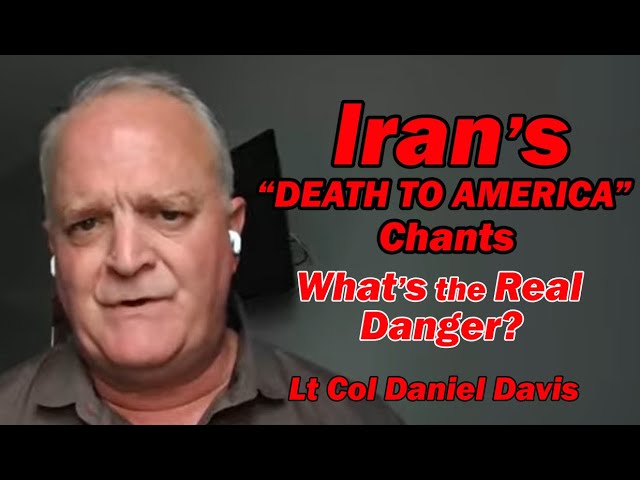
Lt Col Daniel Davis: Iran's "Death to America Chants" - What's the Real Danger?
Posted
July 7, 2025
Views
6,937
Likes
365
Comments
78
Engagement
July 7, 2025
6,937
365
78
6.39%
Every word spoken in this episode is indexed. Type any phrase to jump straight to the moment it was said.
Type any word or phrase that may have been spoken. Click a result to seek the player to that exact moment.
Try a name, a topic, or a quoted line
 10:12Now Playing
Daniel Davis Deep Dive Merch: Etsy store
The speaker outlines that Iran has demonstrated some military capacity but remains limited in strength and is highly unlikely to start a full-scale war with the U.S. or Israel, as doing so would lead to devastating retaliation and potentially the collapse of the regime. Therefore, despite their aggressive rhetoric—like “Death to America” chants—Iran lacks the actual ability to act on such threats in any meaningful or existential way.
Critically, the speaker argues it's foolish and unjustified to launch a war against a country over inflammatory speech that poses no real threat, likening it to a child threatening a heavyweight boxer. He further discusses past U.S. claims that Iran killed American troops via proxies during the Iraq War. While some 603 deaths were attributed to Iran-backed groups, these were not direct actions by Iran’s military but rather by supported militias—comparable to the U.S. enabling Ukraine or the Mujahideen to kill adversaries.
The speaker cautions against moral double standards: if the U.S. uses proxies to kill enemy soldiers, it cannot then act shocked or morally superior when adversaries do the same to Americans. Doing so invites reciprocal logic, such as Russia claiming justification to attack the U.S. or NATO nations for arming Ukraine.
On nuclear inspections, the Iranian president expressed willingness to resume talks and verification but claimed U.S. strikes damaged nuclear facilities so extensively that Iran itself no longer has full access to them. This casts doubt on U.S. assertions that all nuclear capabilities were eliminated in those strikes.
Lastly, speculation was raised (by Tucker Carlson) about potential Iranian sleeper cells in the U.S., though no firm evidence was presented. The overall message: U.S. policy should be guided by realistic threat assessments, not inflammatory rhetoric or double standards.
Sentinel Indexing in Progress
Metadata and chapters are available. Claim extraction for this episode is pending.
All video content is delivered via YouTube embedded players in accordance with the YouTube Terms of Service. Sentinel provides research tools that promote discovery and accountability across political media.