Daniel Davis Deep Dive
@danieldavisdeepdive·442K subscribers·4.9K videos
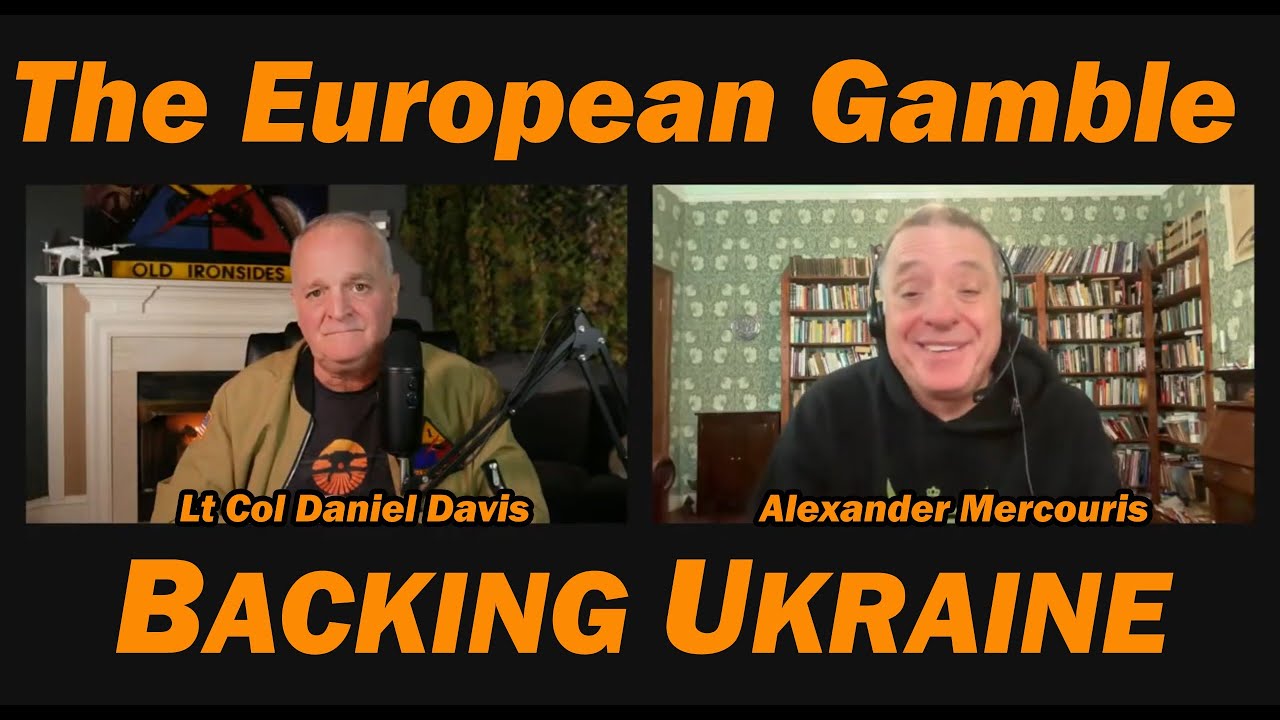
Europe Crumbles as it Fixates on Ukraine / Lt Col Daniel Davis & Alexander Mercouris
Posted
December 10, 2025
Views
39,884
Likes
2,900
Comments
308
Engagement
December 10, 2025
39,884
2,900
308
8.04%
Every word spoken in this episode is indexed. Type any phrase to jump straight to the moment it was said.
Type any word or phrase that may have been spoken. Click a result to seek the player to that exact moment.
Try a name, a topic, or a quoted line
 54:45Now Playing
** NEW MERCH ** Jackets & Sweatshirts, Thermo Mugs!!
Daniel Davis Deep Dive Merch: Etsy store
European leaders remain fixated on ending the Russia–Ukraine war on their own preferred terms, even though the battlefield situation increasingly contradicts their expectations and the front keeps shifting westward. Their strategy depends heavily on continued Ukrainian sacrifice, yet they continue insisting that a turnaround is just ahead.
Tensions between Europe and the United States have recently intensified. Trump, in a Politico interview, sharply criticized Europe—its politics, immigration, and its handling of Ukraine. This reflects a deeper breakdown in transatlantic relations, similar to a failing relationship where both sides start attacking each other over unrelated grievances. According to the discussion, Trump has become more realistic about Ukraine’s situation and believes the war is being lost. He wants to end U.S. involvement, but sees European governments as the primary obstacle.
Zelensky responded to Trump’s criticism about Ukraine lacking elections by cleverly offering to hold elections within 60–90 days—if the U.S. and Europe can guarantee full security and a 60-day ceasefire. Since Russia will not agree to an unconditional ceasefire, this allows Zelensky to appear cooperative while ensuring elections can’t realistically occur. The panelists argue this tactic may only further frustrate Washington.
European leaders, such as Germany’s Friedrich Merz, openly reject key parts of Trump’s peace plan—particularly the elements Russia might accept. Their position effectively blocks the negotiation path Trump is trying to pursue. Europe intensely opposes any settlement that looks like a Russian victory, even though that appears to be the direction of the war.
Overall, the conversation portrays Europe as the main barrier to a negotiated end, Zelensky as unwilling to concede defeat, and Trump as increasingly impatient. The core problem, they argue, is that European leaders refuse to acknowledge Ukraine is losing—and this denial is driving the growing rift between Europe and the United States.
Sentinel Indexing in Progress
Metadata and chapters are available. Claim extraction for this episode is pending.
All video content is delivered via YouTube embedded players in accordance with the YouTube Terms of Service. Sentinel provides research tools that promote discovery and accountability across political media.