Daniel Davis Deep Dive
@danieldavisdeepdive·442K subscribers·4.9K videos
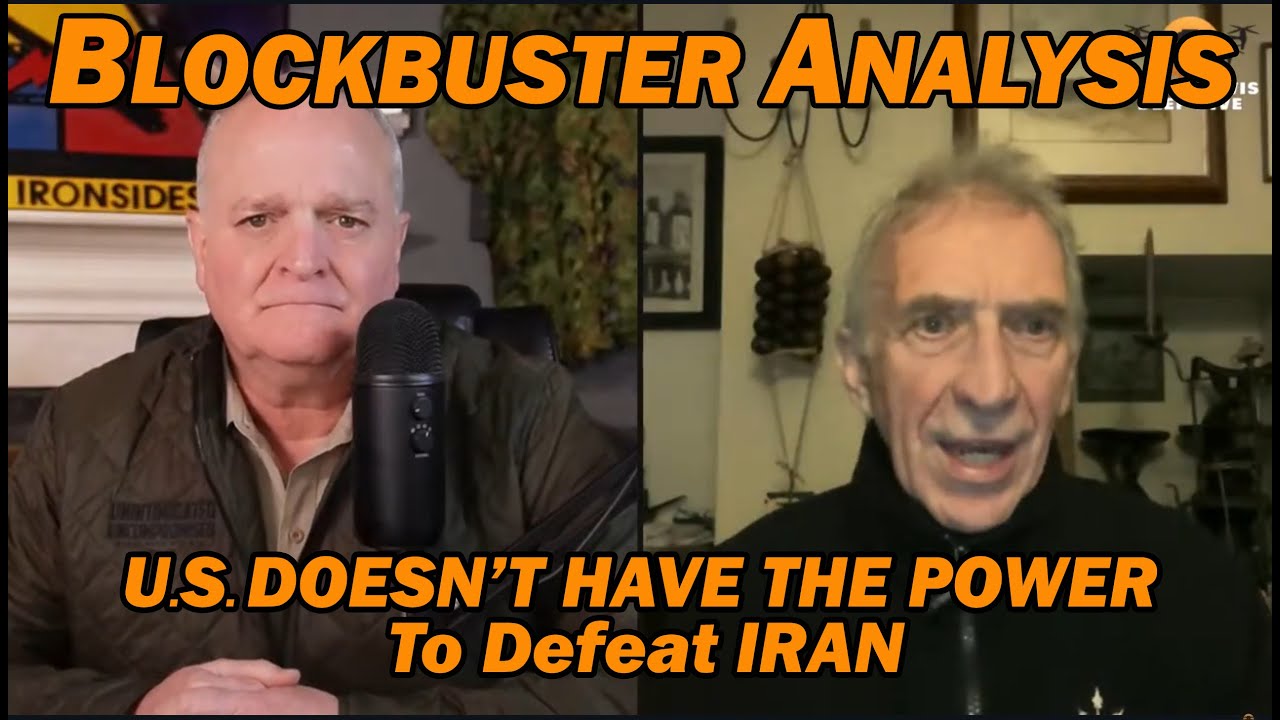
Navy Combat Vet: What Trump's 'Massive Armada' to Iran Can Do /Steve Jermy & Lt Col Daniel Davis
Posted
January 30, 2026
Views
138,770
Likes
5,527
Comments
1,408
January 30, 2026
138,770
5,527
1,408
5.00%
Every word spoken in this episode is indexed. Type any phrase to jump straight to the moment it was said.
Type any word or phrase that may have been spoken. Click a result to seek the player to that exact moment.
Try a name, a topic, or a quoted line
 58:02Now Playing
** NEW MERCH ** Jackets & Sweatshirts, Thermo Mugs!!
Daniel Davis Deep Dive Merch: Etsy store
Timing & Surprise:
The initial attacks occurred during negotiations, which explains why Iran was briefly caught off guard. What stands out is how quickly Iran recovered, reorganized defenses, and restored operational capacity.
Iran’s Strategic Mindset:
Iran does not aim to defeat the U.S. militarily in a conventional sense. Its attainable objective is survival, inflicting enough damage to make continued U.S. operations costly, politically unattractive, and strategically pointless. Simply not being defeated is success.
Geographic & Political Constraints on the U.S.:
Unlike operations such as Caracas, Iran is:
Far from the coast and deep inland
Lacking friendly overflight rights (Saudi Arabia, UAE, Pakistan all unlikely)
Dependent on narrow air corridors (Jordan–Iraq or southern maritime routes)
Facing regional reluctance, even from Israel
This makes sustained operations far more difficult.
Nature of a U.S. Attack:
Any U.S. action would almost certainly be a short-term strategic bombardment, not a war of conquest:
No meaningful U.S. land forces in the region
No political appetite for deploying them
Heavy reliance on air power and cruise missiles (especially Tomahawks)
Carrier Group Reality:
A single carrier strike group (e.g., USS Abraham Lincoln and escorts) can deliver serious damage, but only for a limited duration.
Estimated Tomahawk inventory: ~300–500 missiles total
High-intensity operations could likely be sustained 2–5 days, not weeks
Missile silos are finite; replenishment at sea is slow and risky
Comparison to Russia–Ukraine & Red Sea:
Sustained saturation campaigns like Russia’s nightly strikes on Ukraine (700+ munitions) are not feasible for U.S. naval forces operating far from supply depots.
Iran could adopt a “Houthis model”: absorb punishment, survive, and wait out U.S. political fatigue.
Iranian Counterattack Potential:
Even with U.S. troop withdrawals from Iraq and Syria, many bases remain exposed. Iran could retaliate asymmetrically once U.S. missile stocks are depleted.
Critical Weakness in U.S. Strategy:
There is no clear war termination objective. After several days of bombardment:
The U.S. risks running low on munitions
Iran may still retain command cohesion
If Iran refuses to “play along” and escalates, the U.S. faces an unattractive choice: escalate further or declare victory and leave
Bottom Line:
The force posture supports a brief, destructive demonstration, not a prolonged campaign. Iran’s best strategy is endurance—dragging out the conflict until U.S. gains look negligible relative to costs, then forcing Washington to disengage.
Sentinel Indexing in Progress
Metadata and chapters are available. Claim extraction for this episode is pending.
All video content is delivered via YouTube embedded players in accordance with the YouTube Terms of Service. Sentinel provides research tools that promote discovery and accountability across political media.