Daniel Davis Deep Dive
@danieldavisdeepdive·442K subscribers·4.9K videos
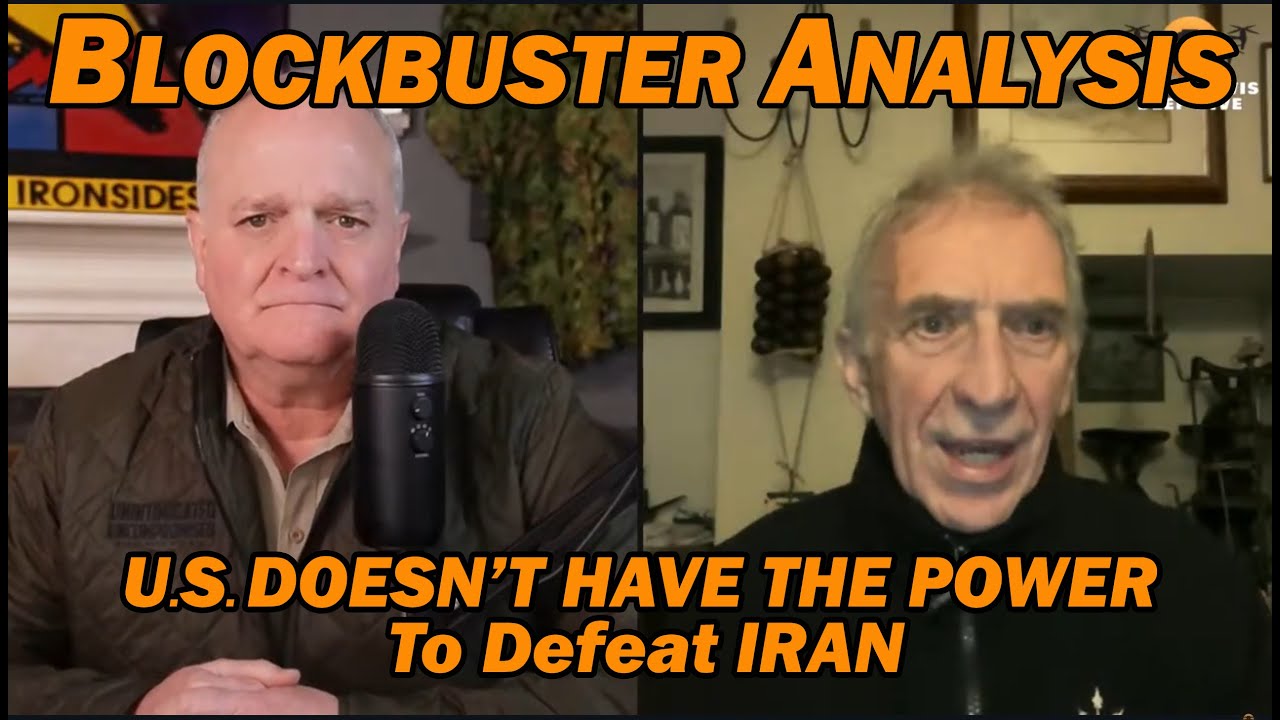
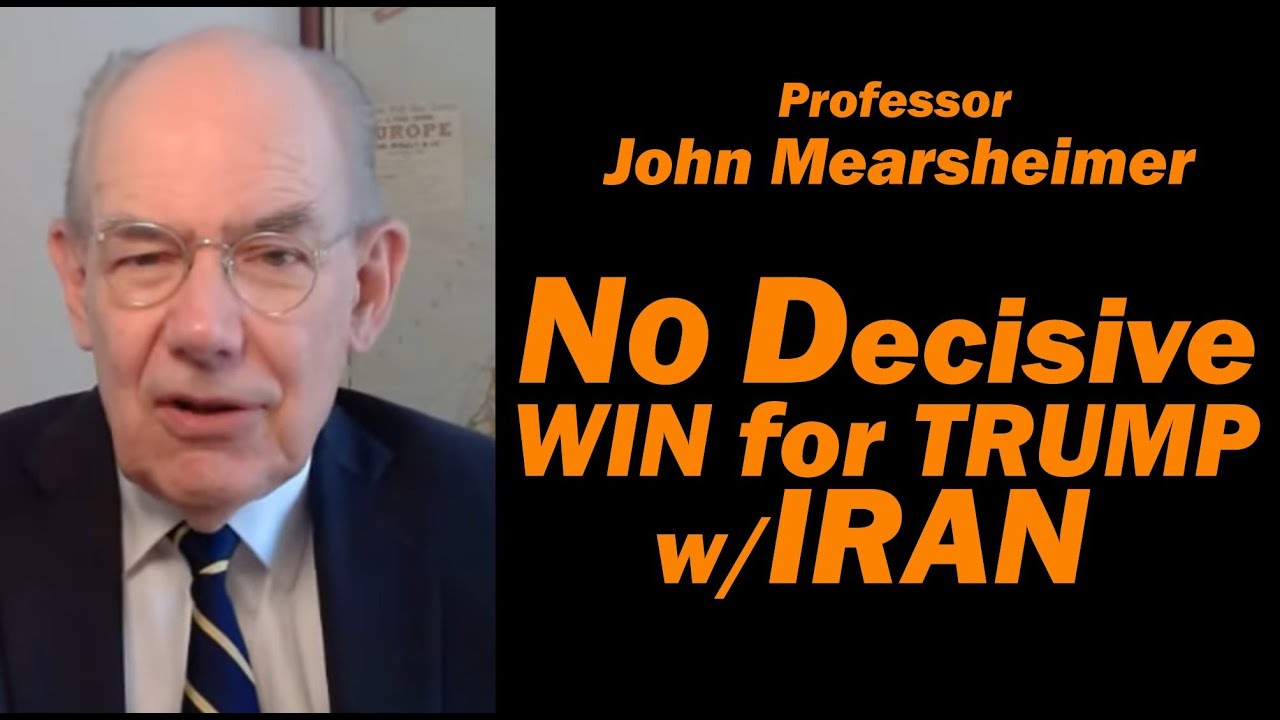
John Mearsheimer: There's NO DECISIVE WIN for TRUMP w/IRAN
Posted
January 29, 2026
Views
125,455
Likes
3,399
Comments
701
Engagement
January 29, 2026
125,455
3,399
701
3.27%
Every word spoken in this episode is indexed. Type any phrase to jump straight to the moment it was said.
Type any word or phrase that may have been spoken. Click a result to seek the player to that exact moment.
Try a name, a topic, or a quoted line
 29:15Now Playing
** NEW MERCH ** Jackets & Sweatshirts, Thermo Mugs!!
Daniel Davis Deep Dive Merch: Etsy store
John Mearsheimer argues that Israel and the United States previously stopped a war with Iran (the 12-day war) because they realized they could not defend themselves effectively. Israel was overwhelmed by Iranian ballistic missiles, and the U.S. burned through about 25% of its THAAD missile stockpile—an unsustainable risk to U.S. national security. Israel’s defensive position today is no better, which explains why any potential new attack on Iran would be carried out by the U.S. alone, with Israel trying to stay on the sidelines to avoid retaliation.
The same constraints that halted a planned January 14 strike still exist: U.S. generals say a decisive victory is impossible, Netanyahu does not want a war, and Iran has clearly warned that any U.S. attack will trigger full retaliation—against Israel, U.S. bases in the region, and by closing the Strait of Hormuz.
Trump is described as having boxed himself in rhetorically. Having issued ultimatums Iran cannot accept (ending enrichment, missile programs, and regional influence—core survival interests), he feels pressure to act. The likely outcome, the speaker suggests, is a limited, symbolic strike followed by a declared “victory.” But this is extremely dangerous because Iran has signaled it would respond massively even to limited attacks.
The broader claim is that U.S. policy is driven largely by Israeli goals: regime change and the fragmentation of Iran, not just nuclear limits. From Iran’s perspective, this makes the threat existential, explaining its hair-trigger posture and large missile arsenal. The speaker concludes that Iran’s restraint—especially not acquiring nuclear weapons—has been strategically foolish, since nuclear deterrence (as with North Korea) would likely prevent U.S. and Israeli attacks altogether.
Sentinel Indexing in Progress
Metadata and chapters are available. Claim extraction for this episode is pending.
All video content is delivered via YouTube embedded players in accordance with the YouTube Terms of Service. Sentinel provides research tools that promote discovery and accountability across political media.