Daniel Davis Deep Dive
@danieldavisdeepdive·442K subscribers·4.9K videos
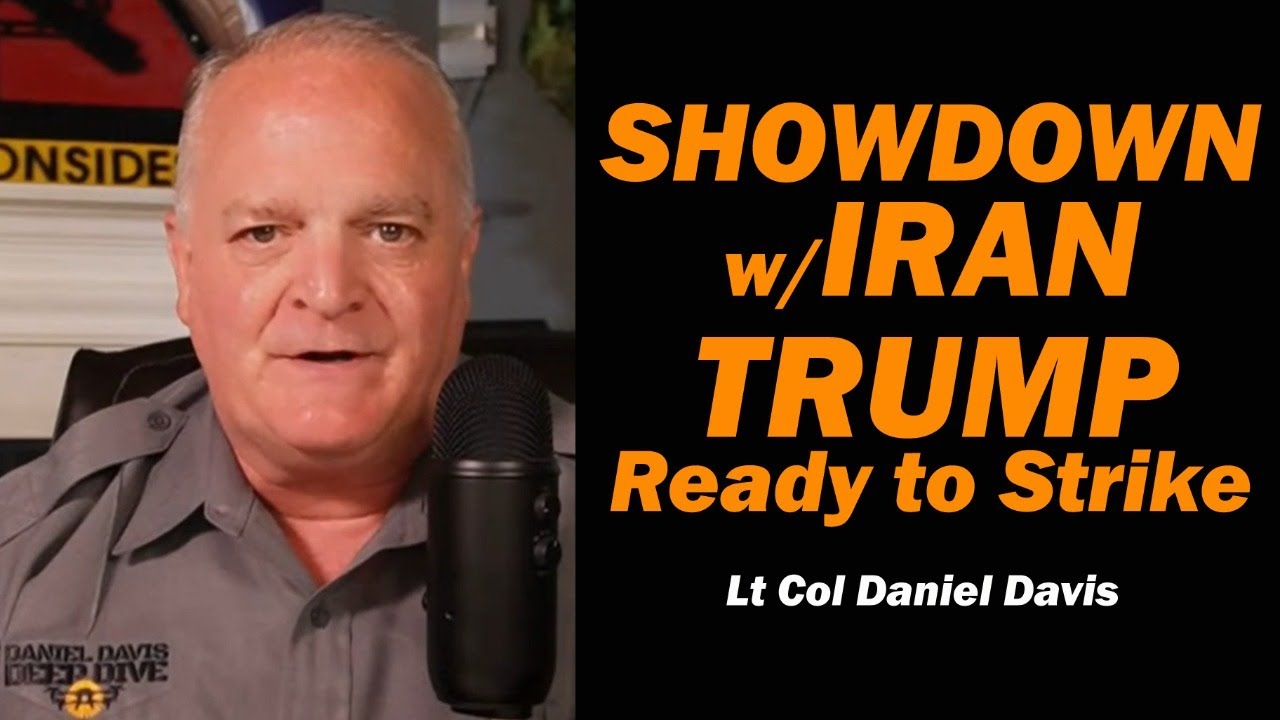
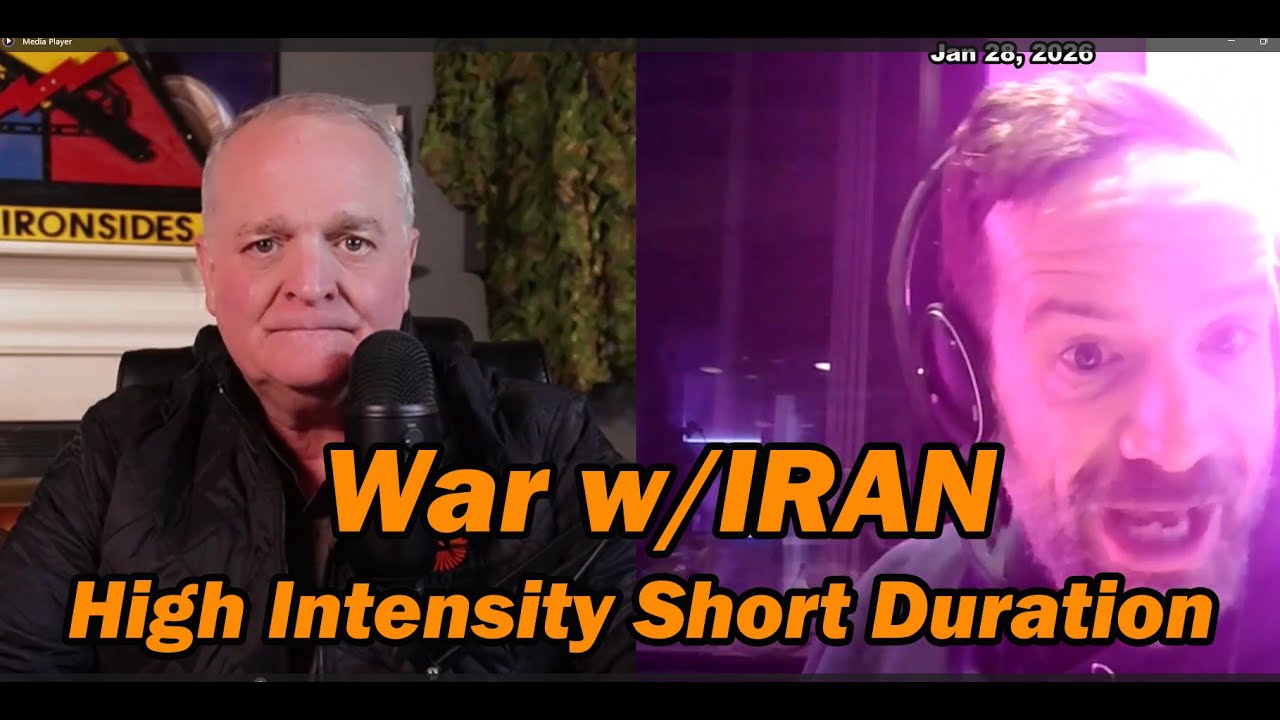
War w/Iran Would be High Intensity, Short Duration Lt Col Daniel Davis
Posted
January 30, 2026
Views
20,184
Likes
795
Comments
236
Engagement
January 30, 2026
20,184
795
236
5.11%
Every word spoken in this episode is indexed. Type any phrase to jump straight to the moment it was said.
Type any word or phrase that may have been spoken. Click a result to seek the player to that exact moment.
Try a name, a topic, or a quoted line
 7:48Now Playing
** NEW MERCH ** Jackets & Sweatshirts, Thermo Mugs!!
Daniel Davis Deep Dive Merch: Etsy store
Trump’s position: He’s publicly demanded extreme concessions from Iran (no enrichment, no long-range missiles, limits on missile programs) that Iran sees as existentially unacceptable. By pairing those demands with a very visible naval buildup, Trump has boxed himself into a corner—backing down now would look like a political defeat.
Purpose of the armada: The deployment looks like coercive pressure rather than a step toward a clear, achievable military objective. The message is “make a deal or else,” but the terms offered leave Iran no realistic path to compliance.
Likelihood of action: The speaker expects some form of military action in the near term because Trump has escalated rhetorically and materially and is unlikely to absorb the political cost of de-escalation.
Military reality: There is no clean, attainable military objective that produces a favorable political outcome. Even limited or “symbolic” strikes risk escalation without clear gains.
Iran’s response risk: Iran has warned it will retaliate if attacked and is believed capable of striking U.S. forces and Israeli targets. Betting that Iran is bluffing is described as dangerous.
Misreading past events: Previous apparent U.S./Israeli “impunity” may have involved standoff strikes or tacit coordination and unique surprise conditions that won’t exist again. Iran learned from last year’s clash.
Balance of capability: While the U.S. carrier group can deliver a high-intensity, short-duration strike, Iran retains missile capabilities that can penetrate Israeli defenses and hit regional targets. Surprise is gone; defenses and counterstrikes are more likely.
Net assessment: A new clash would likely benefit Iran strategically more than the U.S., increasing regional retaliation risks with little political payoff.
Core question left unanswered: Even if the armada can inflict damage—on IRGC facilities, missiles, or leaders—to what end? The likely consequence is retaliation against U.S. bases and personnel, not a durable win.
Sentinel Indexing in Progress
Metadata and chapters are available. Claim extraction for this episode is pending.
All video content is delivered via YouTube embedded players in accordance with the YouTube Terms of Service. Sentinel provides research tools that promote discovery and accountability across political media.