Daniel Davis Deep Dive
@danieldavisdeepdive·442K subscribers·4.9K videos
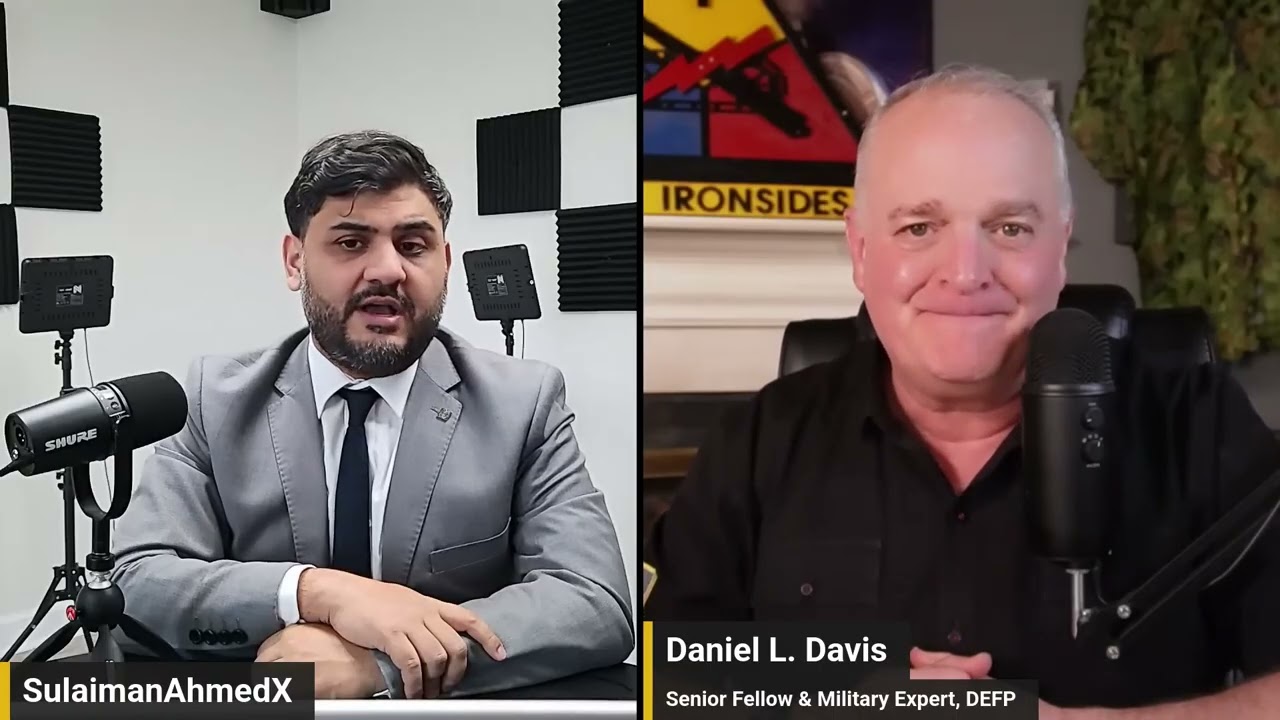
War w/Iran Early Surprises /Lt Col Daniel Davis
Posted
February 28, 2026
Views
70,973
Likes
1,539
Comments
362
Engagement
February 28, 2026
70,973
1,539
362
2.68%
Every word spoken in this episode is indexed. Type any phrase to jump straight to the moment it was said.
Type any word or phrase that may have been spoken. Click a result to seek the player to that exact moment.
Try a name, a topic, or a quoted line
 8:56Now Playing
** NEW MERCH ** Jackets & Sweatshirts, Thermo Mugs!!
Daniel Davis Deep Dive Merch: Etsy store
Lt Col Daniel Davis question claims that Israel has achieved air supremacy over Iran, expressing skepticism given Iran’s extensive and layered air defenses, including systems like the S-300, and the country’s large geographic size. Conflicting reports from both sides make the true air situation unclear.
They discuss how long a U.S.–Israel campaign could realistically last. While some officials have suggested a short operation (around a week), others, such as retired General Jack Keane, have described it as a potential multi-week campaign. However, doubts are raised about whether the U.S. has sufficient missile stockpiles to sustain a prolonged, high-intensity conflict, especially after supplying weapons to Israel and Ukraine. Estimates suggest heavy operations could only be sustained for one to two weeks without major resupply, and a longer war could strain U.S. global readiness.
On strategy, one speaker argues Iran has been relatively measured, targeting military sites rather than oil infrastructure and pacing its missile use. The other suggests a more effective strategy would have been an overwhelming initial strike (“shock and awe”) followed by sustained attacks, warning that failing to apply early pressure may reduce deterrent impact.
They also discuss drone and missile warfare tactics. Iran reportedly has large drone stockpiles and could potentially launch mass waves to overwhelm air defenses, though neither side has fully escalated to that level yet. In missile defense terms, stopping a drone can be one-to-one, while intercepting incoming missiles typically requires firing two defensive missiles per target.
Sentinel Indexing in Progress
Metadata and chapters are available. Claim extraction for this episode is pending.
All video content is delivered via YouTube embedded players in accordance with the YouTube Terms of Service. Sentinel provides research tools that promote discovery and accountability across political media.