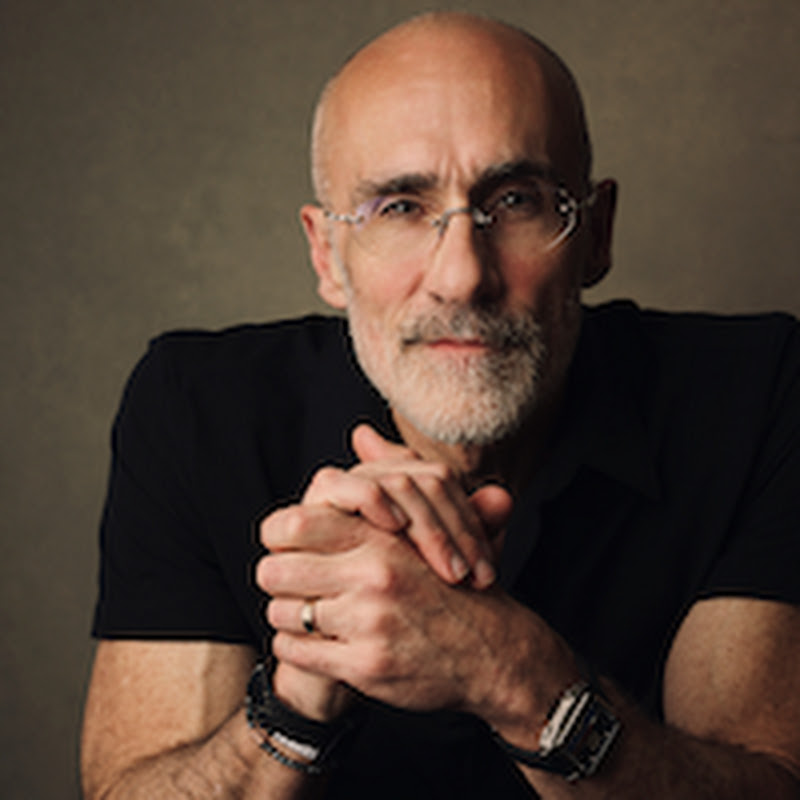
Dr Arthur Brooks
@drarthurbrooks·326K subscribers·364 videos
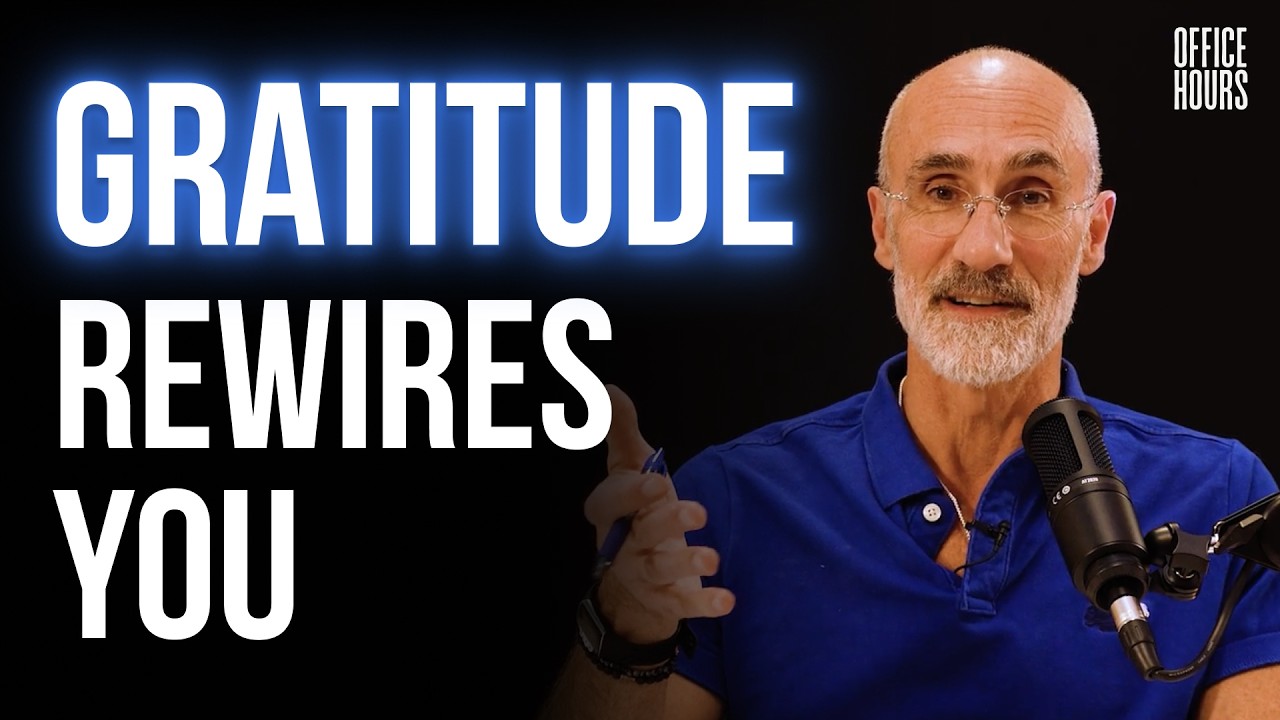
The Truth About Creativity, Aging, and Discipline: From the World’s Best-Selling Author
Posted
December 1, 2025
Views
22,961
Likes
588
Comments
36
Engagement
December 1, 2025
22,961
588
36
2.72%
Every word spoken in this episode is indexed. Type any phrase to jump straight to the moment it was said.
Type any word or phrase that may have been spoken. Click a result to seek the player to that exact moment.
Try a name, a topic, or a quoted line
 50:12Now Playing
Creativity might not make you happier, but it can make you less unhappy. We know this from research.
When people recall moments of creativity, their symptoms of anxiety and depression decrease, and well-being improves. Brain scans show that creative work activates the same regions of the brain as meditation, which helps to relieve the burdens of life.
Millions of people now use creative practices simply to feel steadier in a chaotic world.
So what does a life built around creativity actually look like?
In this episode of Office Hours, I sit down with James Patterson. With more than 200 books and a Guinness World Record for the most #1 New York Times bestsellers, James has spent decades living in a steady rhythm of ideas, attention, and returning to the page.
As he talks through rejection, revision, focus, and discipline, something interesting happens. The practices that make his writing work begin to reveal patterns that apply far beyond writing.
After the interview, stay with me as I break down the 8 principles drawn from his creative process and show you how to apply them to your own life.
*Brought to you by:*
• LMNTA sciencebacked electrolyte drink mix that helps you feel and perform your best, without sugar, artificial ingredients, or gimmicks. Get a free sample pack at
*Where to find James Patterson:*
• YouTube: youtube.com/user/JamesPattersonAuthor
*Where to find Arthur Brooks:*
• Newsletter
• Email: officehours@arthurbrooks.com
*Timestamps:*
(00:00) Introduction
(03:32) The link between creativity and happiness
(09:17) How James got started as a writer
(11:19) Why rejection isn’t a signal of failure
(13:24) A glimpse into James’s day
(17:34) How his strengths and weaknesses have changed over time
(22:32) How James’s writing has improved with age
(24:15) Where James gets his ideas
(27:38) Why he doesn’t believe in regrets
(30:00) Why James wants to hear everyone’s story
(33:40) How Hemingway was different from James
(36:09) Why rewriting is where the magic happens
(37:29) Contrasting Orwell’s reasons for writing with James’s
(42:36) Principle #1: Pay attention to the writing
(43:46) Principle #2: Think for yourself
(44:24) Principle #3: Accept change
(45:21) Principle #4: The little things
(46:15) Principle #5: Be an observer
(47:05) Principle #6: Think more before you produce
(47:48) Principle #7: Excellence is the journey
(48:57) Principle #8: It’s biscuits
*Referenced:*
• ...References continued at
• How to Build a Life
• The Happiness FilesInsights on Work and Life
• Hemisphere Theory
• The value of painting as a therapeutic tool in the treatment of anxiety/depression mental disorders
• The comparison of the effect of poetry therapy on anxiety and posttraumatic stress disorders in patients with myocardial infarction
• Being Creative Makes You HappierThe Positive Effect of Creativity on Subjective WellBeing
• ...References continued at
Production and marketing by
Sentinel Indexing in Progress
Metadata and chapters are available. Claim extraction for this episode is pending.
All video content is delivered via YouTube embedded players in accordance with the YouTube Terms of Service. Sentinel provides research tools that promote discovery and accountability across political media.