
Weekly Q&A - Lion's Mane Mushrooms / Mitochondria and ADHD
August 6, 2025
464
23
4.96%
Search the Record
IndexedEvery word spoken in this episode is indexed. Type any phrase to jump straight to the moment it was said.
Type any word or phrase that may have been spoken. Click a result to seek the player to that exact moment.
Try a name, a topic, or a quoted line
Dr John Kruse Episodes Around August 6, 2025
See what was published immediately before and after this episode.

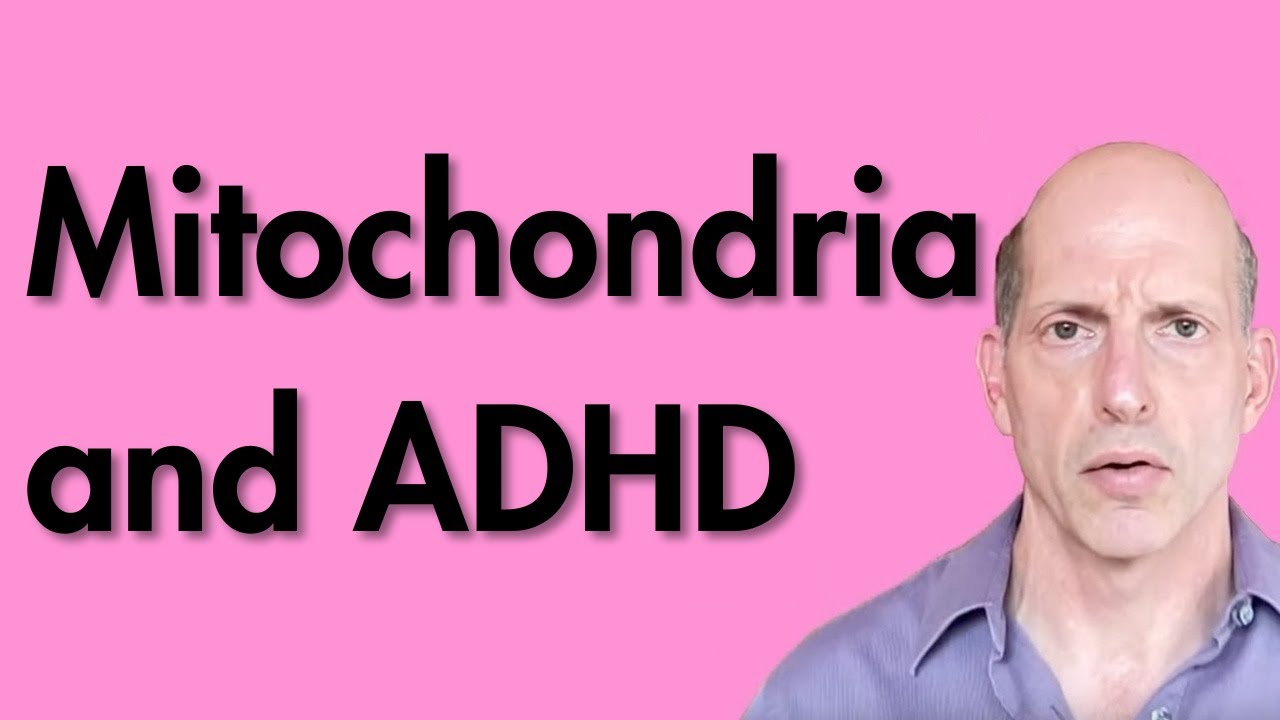

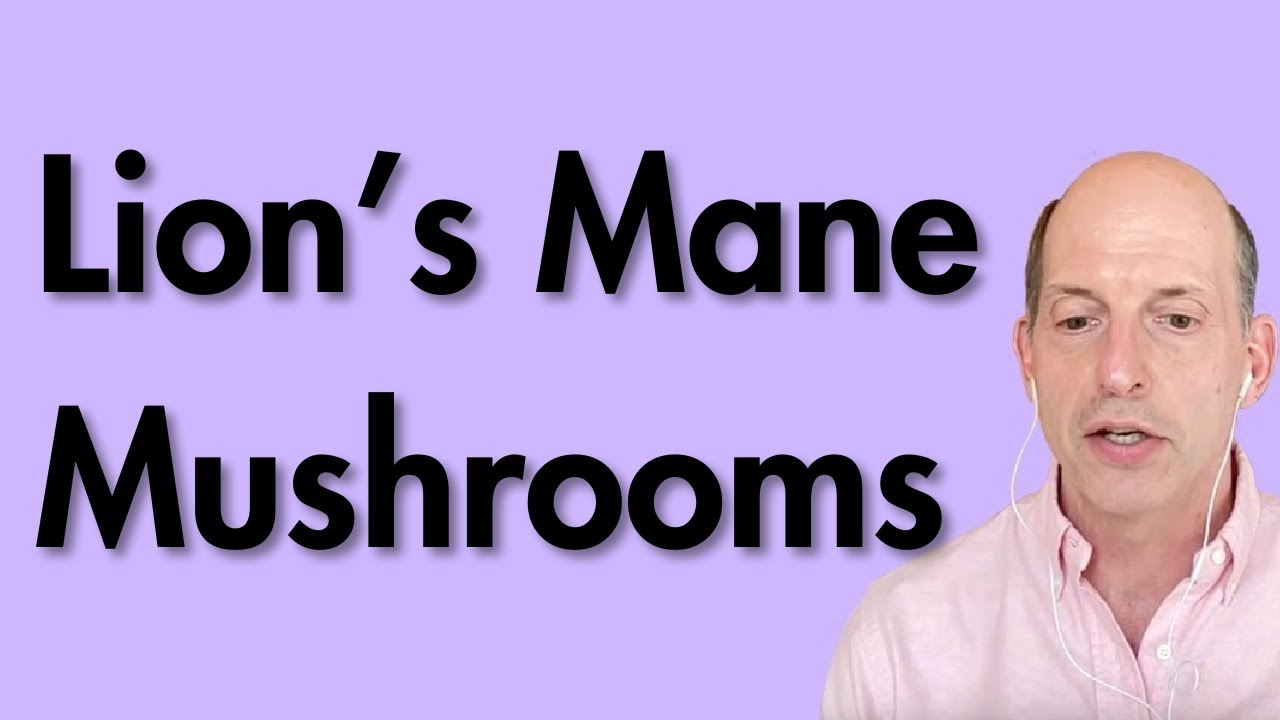

 1:02:23Now Playing
Weekly Q&A - Lion's Mane Mushrooms / Mitochondria and ADHD


YouTube Description
as posted by the channelJoin me for my Weekly Mental Health Recap and Q&A!
Livestream every Tuesday at 10:00am West Coast USA / 1:00pm East Coast USA / 7:00am Hawaii / 7:00pm Central European
Videos released this week:
- Lion's Mane Mushrooms - Can They Help Your Brain?
- Is ADHD a Mitochondrial Disease?
After a 1 minute recap of each video, I’ll be available for questions on these topics or any other related to Mental Health.
- Lion's Mane Mushrooms - Can They Help Your Brain?:
In laboratory tests, lion's mane mushroom protects mitochondria, promotes nerve growth factor, and protects nerve cells. Millions of people are using it to improve brain function, but the human research on it is quite scanty - for mental health just two studies showing it can help with mood and sleep, and three that it might slow cognitive decline in dementia. As of mid 2025 there are no clinical studies of lions mane for ADHD. But side effects and adverse effects appear to be quite uncommon, so many are willing to experiment with it.
- Mitochondria and ADHD:
In the last few years, a host of mental health conditions (schizophrenia, depression, autism, dementia) have been attributed to mitochondrial dysfunction. While mitochondrial dysfunction has been proposed to have a role in ADHD, we have somewhat less data than we do for some other conditions. Nevertheless, preliminary evidence has found signs of oxidative stress, mitochondrial dysfunction and genetic evidence to support a role for mitochondria in contributing to ADHD. We also have some very limited evidence that antioxidants (omega-3 fatty acids, pycnogenol, N-acetyl cysteine) can play a positive role in treating ADHD.
-----
You can also discuss and ask questions on my Reddit page:
Follow on Medium for hundreds of full length articles on this subject and more!
Access to full articles requires paid membership.
-----
Psychiatrist, neuroscientist, and author John Kruse, MD, PhD presents practical, actionable, well-researched information about treatment options that scientists and clinicians recommend for adult ADHD and other mental health conditions.
Subscribe if you're curious about how neuroatypical brains can optimize their functioning in our shared, and somewhat strange, world.
ADHD topics have a pink background, and those on more general mental health topics have a purple background. A small collection of Politics related videos have an orange background.
Dr. Kruse has posted videos in the "Videos", "Live", and "Shorts", sections of this channel.
You're welcome to email him with topics you want discussed or people you think he should interview.
drjohnkruse@gmail.com
#health #mentalhealth #adhd
Links & Promotions
Guests & Subjects Covered
Sentinel Indexing in Progress
Metadata and chapters are available. Claim extraction for this episode is pending.
All video content is delivered via YouTube embedded players in accordance with the YouTube Terms of Service. Sentinel provides research tools that promote discovery and accountability across political media.