Elan Show
@elanshowofficial·28.6K subscribers·316 videos
MAGA Caller GETS DESTROYED By Progressives Influencer Brian Shapiro
Posted
March 31, 2026
Views
659
Likes
32
Comments
5
Engagement
5.61%
March 31, 2026
659
32
5
5.61%
Every word spoken in this episode is indexed. Type any phrase to jump straight to the moment it was said.
Type any word or phrase that may have been spoken. Click a result to seek the player to that exact moment.
Try a name, a topic, or a quoted line
 19:03Now Playing
In this video, a radio host named Brian goes head to head with multiple callers in one of the most intense and revealing political debate exchanges you will find anywhere in independent media. The conversation covers the war in Iran, regime change history, military accountability, and what it truly means to hold elected officials to a consistent standard — regardless of political affiliation.
The debate begins with a deep discussion about whether the justification for military action in Iran holds up under scrutiny. Brian challenges his caller, Ryan, to explain the reasoning behind the conflict, drawing a direct parallel to the Iraq War in 2003 — one of the most documented foreign policy controversies in modern American history. The argument centers on whether intelligence claims were credible, whether the public was given honest information, and whether the pattern of justification shifting over time undermines the case for war entirely.
One of the most significant moments in the conversation involves Brian referencing the testimony of Tulsi Gabbard, the Director of National Intelligence, who stated under oath approximately ten months before the conflict began that there was no evidence Iran had advanced its nuclear capabilities. Brian uses this to argue that the administration proceeded without presenting clear, verifiable evidence to the American public — drawing a direct comparison to the weapons of mass destruction claims that led the United States into Iraq more than two decades ago.
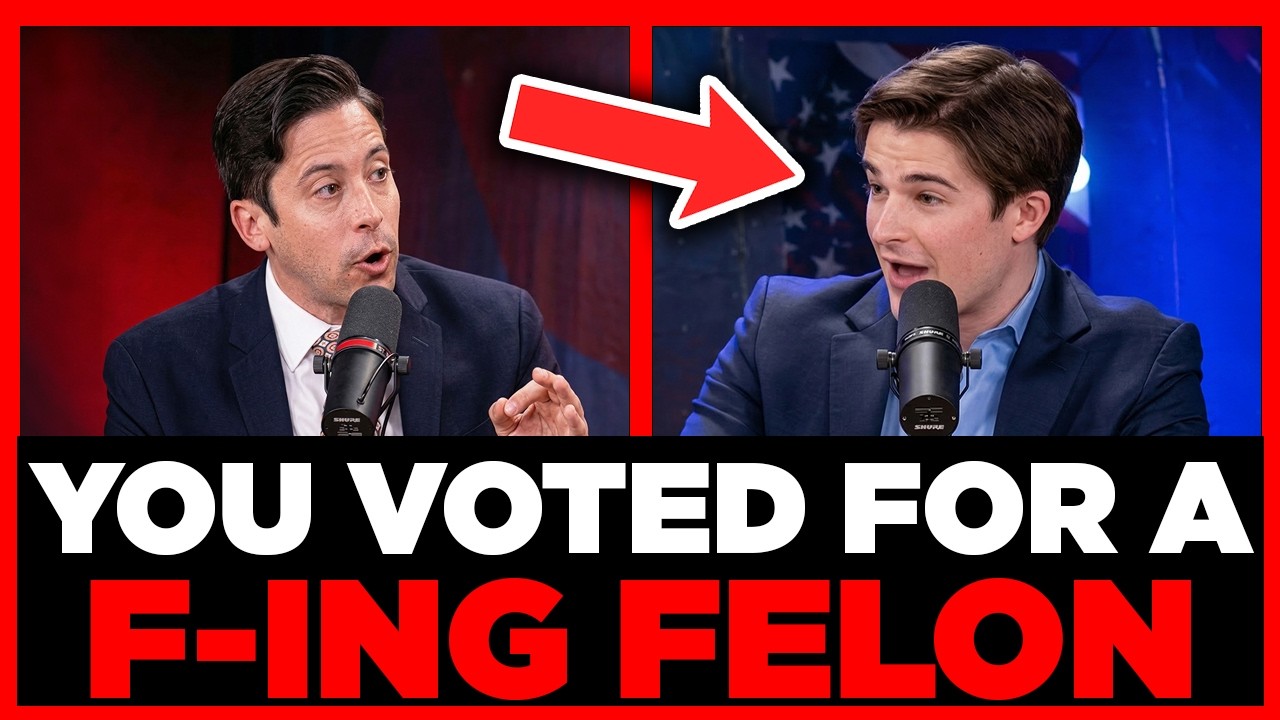
The discussion then turns to a core accountability question that many political commentators have debated for years — can a voter defend the decisions of a leader they supported when those decisions appear to contradict the values they claimed to hold? Brian presses his caller repeatedly with a single yes or no question about his voting history. The caller refuses to answer five separate times, deflecting with unrelated points each time. Brian names the pattern openly and in real time, making this one of the most talked about moments in the clip.
The second caller, Herb, raises a concern about a comedian named Alex Stein mocking Congressman Dan Crenshaw, a decorated veteran who lost his eye in combat. Brian acknowledges the service while explaining that his criticism of Dan Crenshaw is rooted in his political stance on military intervention, not his personal sacrifice. He then turns the conversation around by asking Herb why he holds a podcaster to a higher standard than the leader he voted into office — who had previously made controversial public statements about decorated veterans including a former prisoner of war who spent over five years in captivity.
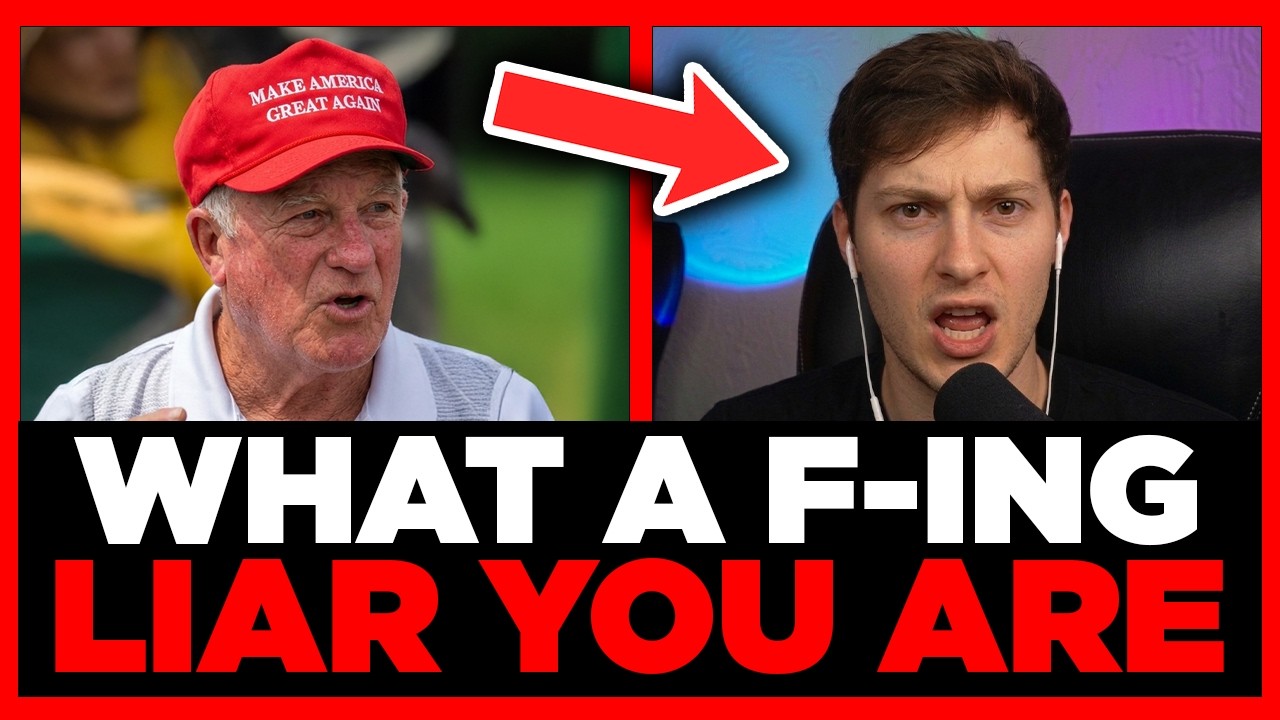
The hypocrisy argument Brian constructs is methodical. He gives the caller repeated opportunities to address the contradiction and each time the caller either deflects or changes the subject entirely — first bringing up military recruitment numbers, then simply refusing to continue the conversation. Brian frames this as proof that supporters of any political figure must be willing to apply the same standards consistently, regardless of party or personal loyalty.
This video will resonate with viewers who follow political commentary, radio debate culture, independent media, and discussions about war accountability, military respect, and political consistency. Whether you agree with Brian or not, the arguments raised here about foreign policy decision making, intelligence credibility, and voter responsibility are worth engaging with seriously.
What do you think? Was Brian fair in how he pressed his callers? Did either caller make a point that Brian did not address fully? Leave your thoughts in the comments. This is exactly the kind of discussion that deserves a real conversation — not just headlines.
If you are watching from outside the United States, we would especially love to hear your perspective on how the war in Iran and American foreign policy debates are being viewed internationally. Drop your location in the comments below.
⭐️Fair Use Disclaimer:
This video may contain copyrighted material the use of which has not always been specifically authorized by the copyright owner. We are making such material available for purposes of criticism, comment, news reporting, teaching, scholarship, or research. We believe this constitutes a 'fair use' of any such copyrighted material as provided for in section 107 of the US Copyright Law.
Content Context: The videos on this channel may explore unverified information or theories gathered from public sources and media reports. They are intended for educational and informational purposes only and should not be interpreted as confirmed facts.
Intent: Elan Show does not seek to discredit or defame any individuals, organizations, or groups. The goal is to promote thoughtful dialogue and critical analysis.
Sentinel Indexing in Progress
Metadata and chapters are available. Claim extraction for this episode is pending.
All video content is delivered via YouTube embedded players in accordance with the YouTube Terms of Service. Sentinel provides research tools that promote discovery and accountability across political media.