Elan Show
@elanshowofficial·28.6K subscribers·316 videos
Brian Shapiro SHREDS Andrew Wilson Over MAGA Loyalty and Accusations
Posted
April 3, 2026
Views
11,462
Likes
339
Comments
152
Engagement
4.28%
April 3, 2026
11,462
339
152
4.28%
Every word spoken in this episode is indexed. Type any phrase to jump straight to the moment it was said.
Type any word or phrase that may have been spoken. Click a result to seek the player to that exact moment.
Try a name, a topic, or a quoted line
 17:33Now Playing
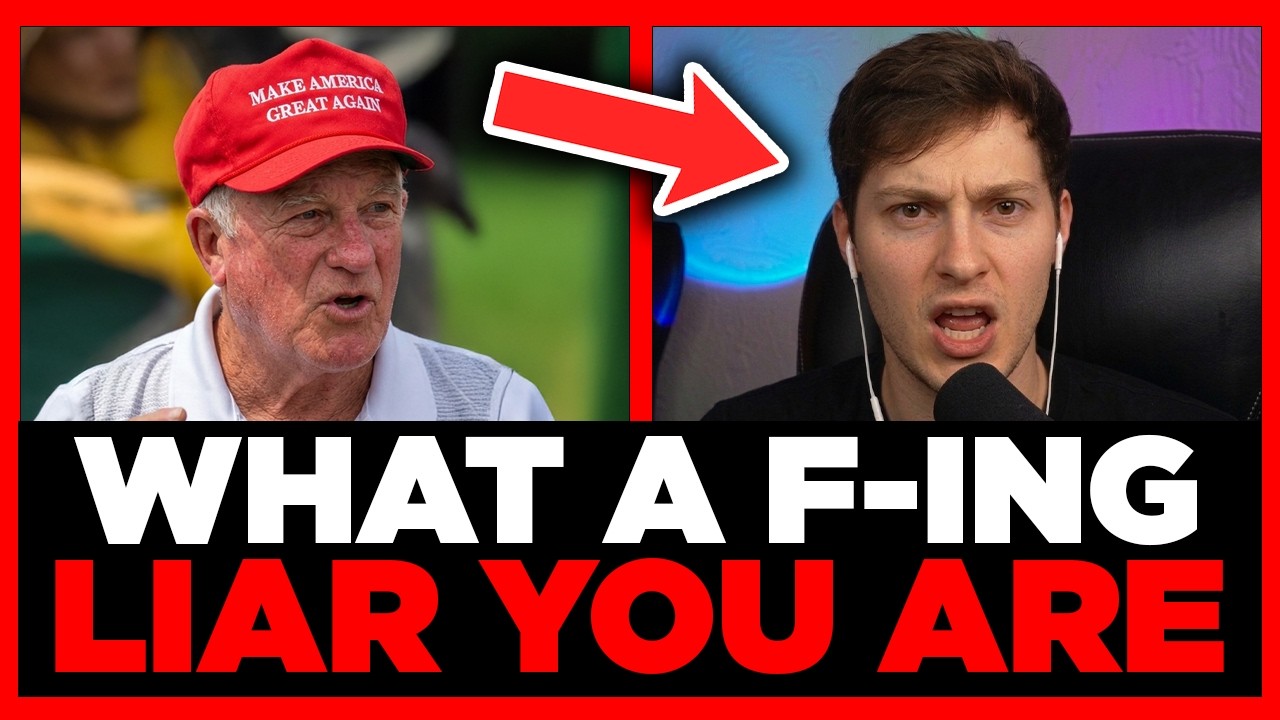
In this video, two commentators go head to head in one of the most intense credibility debates you will find in modern political commentary. Brian, a progressive political commentator, faces off against Andrew, a conservative commentator, in a long-form debate that covers evidence standards, political accountability, allegations against public figures, and the question of what it actually means to believe victims when they come forward.
The debate begins with a fundamental disagreement about how much evidence is required before forming a public opinion on serious allegations. Andrew argues that without hard corroborating evidence, specific dates, times, and verifiable facts, no claim should be treated as credible. Brian pushes back by pointing out that this standard, when applied rigidly, would disqualify the vast majority of real victims who come forward years after an incident with no physical proof.
What makes this exchange genuinely compelling is how quickly the two sides expose each other's inconsistencies. Andrew spends the first portion of the debate demanding evidence for every claim Brian makes. Then, in one of the most jaw-dropping moments of the entire conversation, Andrew states on record that he does not believe any of the more than 25 women who have publicly accused a major political figure of serious misconduct. Not one. Brian immediately calls this out as a glaring double standard, pointing out that Andrew is applying a mountain-high evidence threshold to one side while dismissing the other side with zero examination of individual cases.
Brian references a civil court verdict, sworn deposition testimony from a former spouse, and documented public statements that he argues form a clear behavioral pattern. Andrew disputes each of these points, arguing that civil liability has a much lower threshold than criminal conviction and that pattern-based reasoning is not sufficient to form a serious conclusion.
The conversation also touches on the Ghislaine Maxwell transfer to a lower security facility, with Brian arguing the timing raises serious questions about political influence. Andrew counters that this is speculation without a paper trail and that multiple alternative explanations exist.
One of the most discussed moments in this clip is when Brian asks Andrew directly whether he could even name the women he is dismissing as liars. Andrew struggles to name more than two, leading Brian to argue that this proves the dismissal is politically motivated rather than evidence-based. Andrew fires back by asking whether knowing a name makes a belief more valid, and the two spiral into a genuinely fascinating debate about what informed opinion actually looks like.
The segment ends with Brian making the case that volume, consistency, and the seriousness of multiple independent allegations are themselves a form of evidence that any rational person should weigh, even in the absence of physical proof. Andrew maintains that without hard corroboration, none of it clears the bar he requires before forming a public position.
This is exactly the kind of debate that forces viewers to examine their own standards of belief and accountability. Whether you lean left, right, or somewhere in the middle, the questions raised here about evidence, credibility, loyalty, and political bias are ones that apply far beyond any single figure or case.
Watch the full reaction and tell us in the comments: do you think Andrew's evidence standard is reasonable or selective? Do you think Brian makes a compelling case, or does he fall into the same trap he is accusing the other side of? Drop your thoughts below and make sure to like and subscribe for more reaction content covering the biggest debates in political commentary today.
Sentinel Indexing in Progress
Metadata and chapters are available. Claim extraction for this episode is pending.
All video content is delivered via YouTube embedded players in accordance with the YouTube Terms of Service. Sentinel provides research tools that promote discovery and accountability across political media.