Elan Show
@elanshowofficial·28.6K subscribers·316 videos
MAGA Fan CRUMBLES when FACT CHECKED in INTENSE Debate!
Posted
April 8, 2026
Views
3,522
Likes
92
Comments
27
Engagement
3.38%
April 8, 2026
3,522
92
27
3.38%
Every word spoken in this episode is indexed. Type any phrase to jump straight to the moment it was said.
Type any word or phrase that may have been spoken. Click a result to seek the player to that exact moment.
Try a name, a topic, or a quoted line
 16:58Now Playing
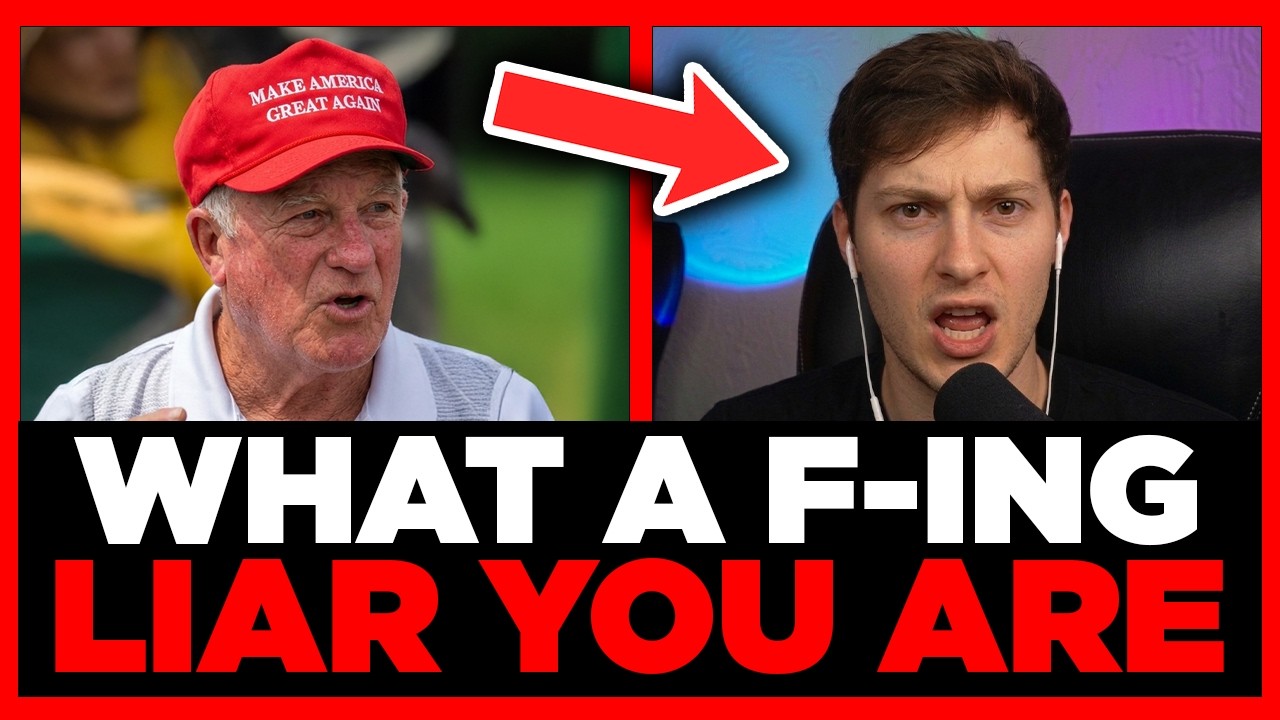
When someone confidently calls a criminal conviction fake but cannot name a single charge, cannot identify one piece of disputed evidence, and then accidentally admits their preferred political figure was actively working to keep government files away from the public — that is not a debate moment. That is a complete collapse in real time.
In this clip, Parker sits down in a live debate format with a self-described supporter of the current administration. What starts as a discussion about the legitimacy of a high-profile criminal case quickly turns into something far more revealing. Parker methodically asks the most basic questions — name the charges, name the evidence you dispute, explain your reasoning — and the responses expose a pattern that millions of people across the political spectrum will immediately recognize.
The conversation moves through several layers. First, the criminal case involving falsification of business records and the question of whether someone can genuinely dispute a conviction they cannot even describe. Then the discussion shifts to the distinction between civil and criminal court proceedings, a point that causes significant confusion on one side of the debate. Parker breaks down the concept of a predicate crime, explains why intent matters in cases involving document falsification, and dismantles the argument that delegating a task removes legal or moral responsibility from the person who directed it.
From there, the conversation moves into the territory of government transparency, sealed files, and what it means when a political figure actively works to prevent public access to documents that courts and legislators have determined should be released. The opponent, after significant resistance, makes a candid admission that becomes the defining moment of the entire exchange.
What makes this debate worth watching closely is not just who wins the argument. It is the psychological dynamic underneath it. Parker introduces the concept of motivated reasoning — the documented tendency to reach a conclusion first and then filter all incoming information to protect that conclusion. This is a well-studied pattern in behavioral psychology, and watching it play out in a live conversation is genuinely instructive for anyone interested in how political belief systems function and why factual challenges often fail to change minds.
This is the kind of content that matters in 2025 and beyond. Not because it is about one specific court case or one political figure, but because the thinking patterns on display are universal. Whether you are conservative, liberal, independent, or undecided, the ability to evaluate evidence, question your own assumptions, and update your beliefs based on facts is something every viewer can reflect on regardless of where they stand politically.
Parker handles the exchange with patience, precision, and zero emotional escalation. He does not shout. He does not insult. He simply keeps asking for specifics until the absence of specifics becomes the answer.
If you follow political debate content, reaction commentary, or discussions about media literacy, critical thinking, and ideological accountability, this clip has something to offer you.
Watch all the way through. The final admission in this conversation is something that no amount of political framing can walk back.
Drop your thoughts in the comments. Do you think the opponent had a fair point anywhere in this exchange? Where did you think the argument shifted? Where are you watching from? Love seeing this community engage with the content — your perspective genuinely adds to the conversation.
⭐️Fair Use Disclaimer:
This video may contain copyrighted material the use of which has not always been specifically authorized by the copyright owner. We are making such material available for purposes of criticism, comment, news reporting, teaching, scholarship, or research. We believe this constitutes a 'fair use' of any such copyrighted material as provided for in section 107 of the US Copyright Law.
Content Context: The videos on this channel may explore unverified information or theories gathered from public sources and media reports. They are intended for educational and informational purposes only and should not be interpreted as confirmed facts.
Intent: Elan Show does not seek to discredit or defame any individuals, organizations, or groups. The goal is to promote thoughtful dialogue and critical analysis.
Sentinel Indexing in Progress
Metadata and chapters are available. Claim extraction for this episode is pending.
All video content is delivered via YouTube embedded players in accordance with the YouTube Terms of Service. Sentinel provides research tools that promote discovery and accountability across political media.