Elan Show
@elanshowofficial·28.6K subscribers·316 videos
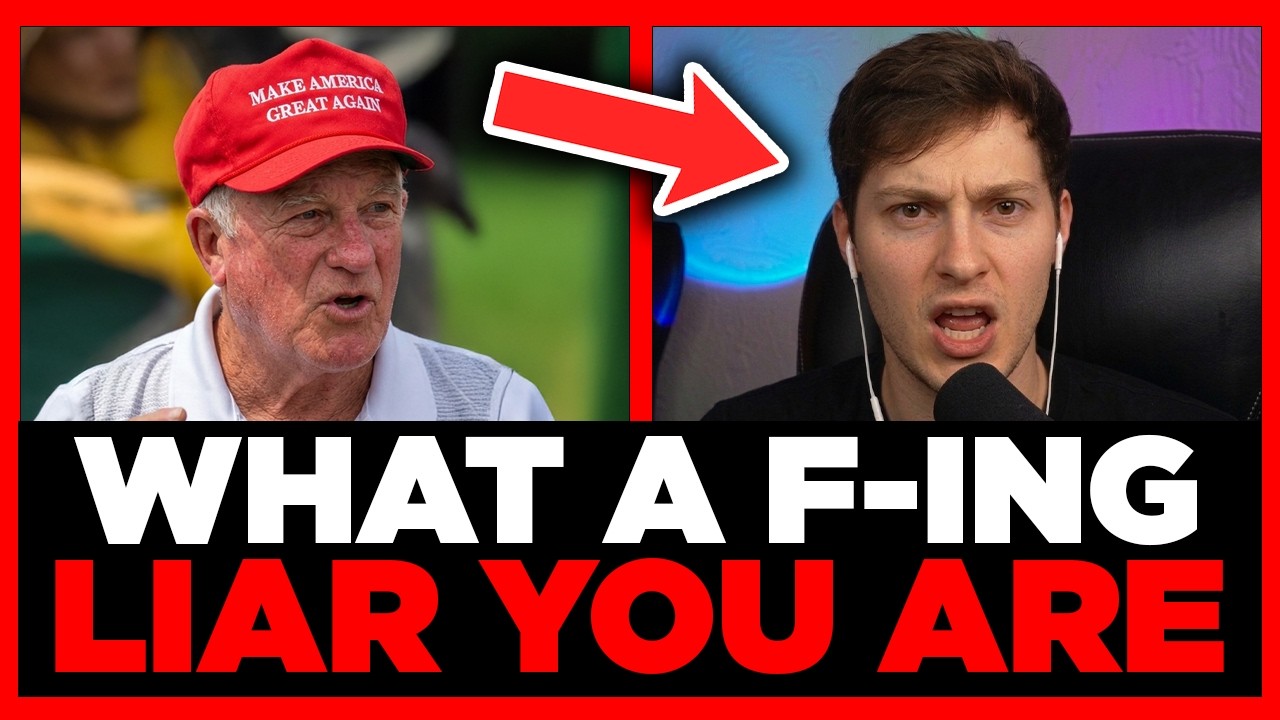
Tiffany Pollard OBLITERATES Jesse Lee Peterson Over Black Women Claims LIVE
Posted
April 9, 2026
Views
2,036
Likes
63
Comments
27
Engagement
4.42%
April 9, 2026
2,036
63
27
4.42%
Every word spoken in this episode is indexed. Type any phrase to jump straight to the moment it was said.
Type any word or phrase that may have been spoken. Click a result to seek the player to that exact moment.
Try a name, a topic, or a quoted line
 14:59Now Playing
Tiffany Pard, widely known as New York from the hit reality TV shows Flavor of Love and I Love New York, sits down with Jesse Lee Peterson for a raw, unfiltered conversation that covers everything from female sexuality and self-expression to Black women in America, relationship dynamics, abortion rights, and what it truly means to own your identity without apology.
This is not a typical celebrity interview. From the very first exchange, Jesse challenges Tiffany on topics that most interviewers would avoid entirely. He questions whether strong, outspoken Black women are actually harmful to Black men, whether female sexuality is normal or deviant, and whether women who have children outside of marriage are making a mistake. Tiffany Pard does not flinch at any of it. She pushes back with clarity, humor, and a level of self-assurance that makes every answer worth watching twice.
One of the most talked-about moments in this conversation is when Jesse flat-out states that strong Black women are bad for Black men because Black men do not know how to handle women like that. Tiffany's response is immediate and precise. She draws a clear line between boys and men, arguing that a man who is secure in himself is not threatened by a woman who knows her value. It is only insecurity, she says, that makes someone else's confidence look like a problem. That exchange alone sparked massive debate online and continues to generate strong reactions from viewers across the political and cultural spectrum.
Tiffany also speaks candidly about growing up in upstate New York, the influence her mother had on her identity, and how her father's quiet support gave her the foundation to live without shame or apology. She talks about what it means to be the HBIC, which she defines as the Head in Charge, and explains why she believes owning your choices fully is the only path to genuine confidence.
The conversation takes an honest turn when Jesse presses Tiffany on her views about abortion, relationships, and financial expectations in dating. Her answers are straightforward and unapologetic. She identifies as pro-choice, arguing that no one outside a woman's body can fully understand what that decision involves. On relationships, she admits openly that she cheated in most of her past relationships and reflects on what she believes she would need to be genuinely faithful.
What makes this interview so compelling is the contrast between Jesse's traditional, conservative line of questioning and Tiffany's progressive, self-defined responses. Jesse Lee Peterson, known for his provocative interview style and traditionalist worldview, keeps pressing and Tiffany keeps redirecting. The result is a conversation that touches on gender roles, Black identity, female empowerment, sexuality, social standards, and personal accountability all within a single sitting.
Whether you agree with Tiffany Pard's perspective or not, this interview raises real questions that are worth sitting with. What does it actually mean for a woman to be too much? Who decides what is normal when it comes to female desire and self-expression? And why does confidence in a woman so often get framed as a threat rather than a strength?
Watch the full reaction, stay until the end for the most powerful moment in the interview, and drop your thoughts in the comments below. Where do you stand on what Jesse said about strong Black women? Do you agree with Tiffany's response? Let us know where you are watching from and what you think.
Sentinel Indexing in Progress
Metadata and chapters are available. Claim extraction for this episode is pending.
All video content is delivered via YouTube embedded players in accordance with the YouTube Terms of Service. Sentinel provides research tools that promote discovery and accountability across political media.