Elan Show
@elanshowofficial·28.6K subscribers·316 videos
Progressive Women HUMILIATE Christian Panel During Explosive Face-Off
Posted
May 20, 2026
Views
5,501
Likes
167
Comments
95
Engagement
4.76%
May 20, 2026
5,501
167
95
4.76%
Every word spoken in this episode is indexed. Type any phrase to jump straight to the moment it was said.
Type any word or phrase that may have been spoken. Click a result to seek the player to that exact moment.
Try a name, a topic, or a quoted line
 17:28Now Playing
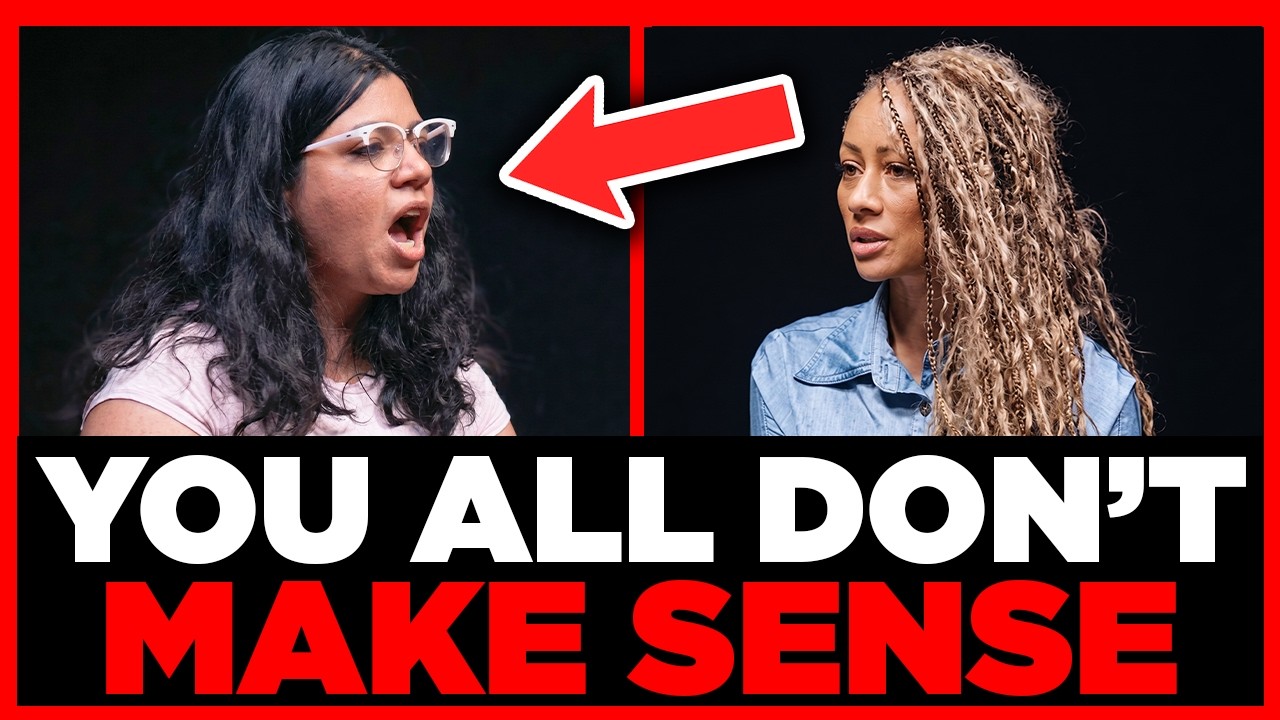
What you just watched was not a normal political debate. It was a collision between two completely different ways of understanding morality, freedom, religion, and government power. And the reason this conversation became so intense is because nobody in that room was arguing about small policy differences. They were arguing about the foundation of society itself.
On one side, several Christian women argued that every person votes according to what they believe is morally right and morally wrong. Their position was that faith naturally shapes political choices and that there is nothing wrong with voting based on religious conviction. Some even argued that true morality can only come from God and that society functions best when leadership follows biblical principles.
On the other side, the atheist women pushed back hard against the idea that one group’s religious beliefs should become binding law for everyone else. One of the most important moments came when one woman explained the difference between “vertical morality” and “horizontal morality.” Vertical morality measures right and wrong according to God, while horizontal morality measures right and wrong according to how actions affect other human beings. That distinction completely reframed the entire conversation.
And then the discussion moved into territory that changed the atmosphere in the room entirely.
The debate stopped being theoretical the moment Adriana Smith was brought up. A real woman. A real family. A real situation. The argument suddenly became about what happens when laws built from religious conviction directly impact people who may not share those beliefs. That moment forced everyone to confront the difference between abstract moral arguments and the real-world consequences of legislation.
Another major turning point came when one participant challenged the idea that America was always founded as an explicitly Christian nation. She pointed out that phrases like “In God We Trust” were added much later during the Cold War era, not at the nation’s founding. That historical context caught a lot of people off guard and completely shifted the direction of the conversation.
What makes this debate so fascinating is that nobody involved seemed fully comfortable by the end of it. The Christians defended their convictions, but several also admitted they understood why mixing religion and government becomes dangerous. The atheists defended secular government, but they also acknowledged that every person ultimately votes based on some kind of moral framework.
This is the kind of conversation that exposes how divided modern society really is, not just politically but philosophically. What defines morality? Where do rights come from? Can religious conviction coexist with a secular democracy without eventually turning into control over other people’s lives?
Those questions are much bigger than one panel discussion, and honestly, that is why this debate hit so hard.
What do you think? Should religion influence politics, or should government remain completely secular no matter what? Let me know your thoughts in the comments below.
Sentinel Indexing in Progress
Metadata and chapters are available. Claim extraction for this episode is pending.
All video content is delivered via YouTube embedded players in accordance with the YouTube Terms of Service. Sentinel provides research tools that promote discovery and accountability across political media.