Elan Show
@elanshowofficial·28.6K subscribers·316 videos
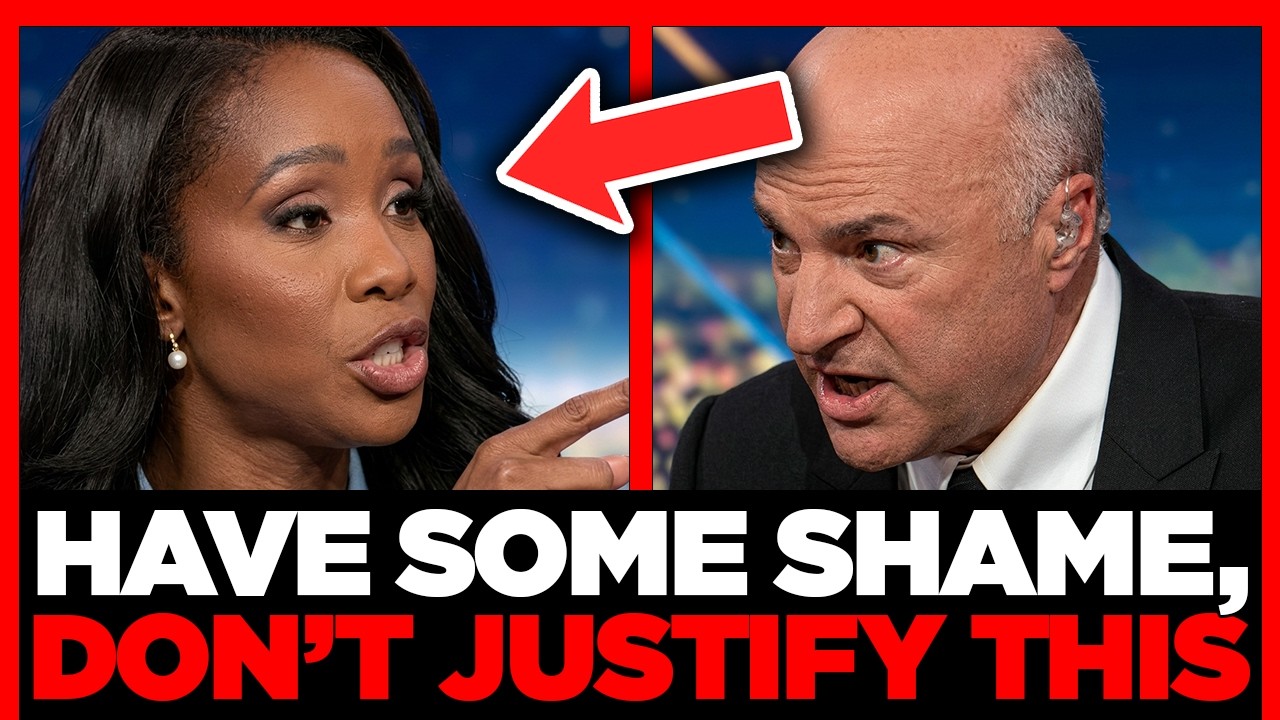
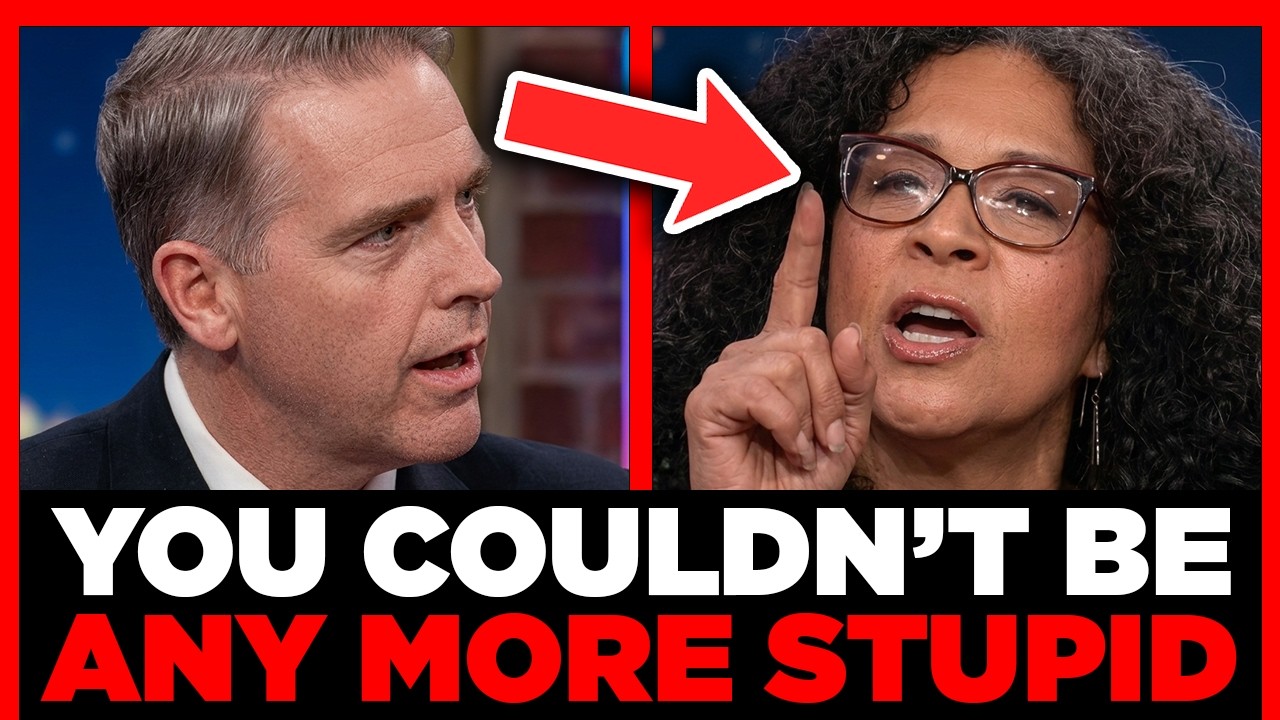
Andrew Wilson GETS HUMILIATED by Progressive Pastor Over MAGA's Hypocrisy on Christianity
Posted
August 12, 2026
Views
11,556
Likes
315
Comments
80
Engagement
August 12, 2026
11,556
315
80
3.42%
Every word spoken in this episode is indexed. Type any phrase to jump straight to the moment it was said.
Type any word or phrase that may have been spoken. Click a result to seek the player to that exact moment.
Try a name, a topic, or a quoted line
 16:20Now Playing
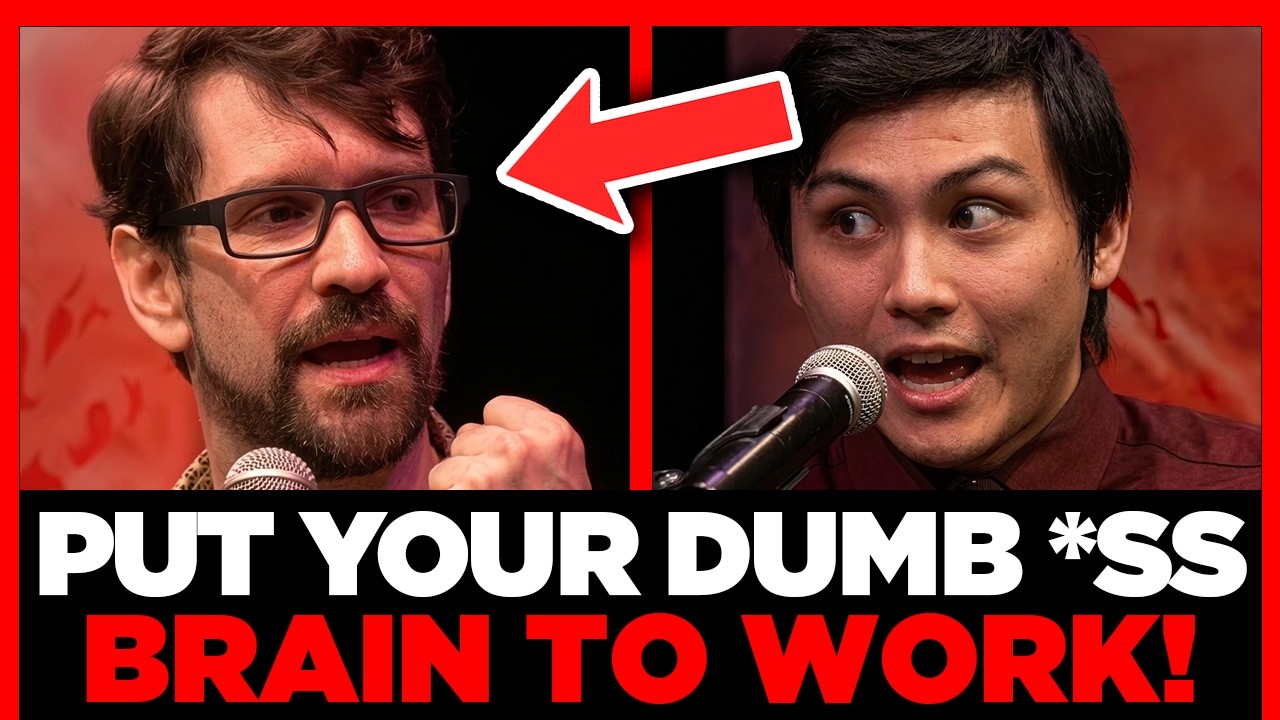
Welcome back to the channel! Today, we are diving deep into one of the most intense and philosophically dividing debates we have seen in modern political discourse. In this heated clash, progressive commentator and comedian John Fugelsang goes head-to-head with conservative debater Andrew Wilson. This debate strikes at the very core of how society interprets religion, morality, and government intervention, questioning what it actually means to legislate morality in today's highly polarized political climate.
At the center of this incredible exchange is a fundamental disagreement over Christian ethics and how they should be actively applied to national policy. On one side, John Fugelsang argues from a progressive Christian perspective, heavily citing the Gospel and Matthew 25. He contends that a true moral society is judged by how it treats the most vulnerable populations—the poor, the sick, and the marginalized. He challenges the modern religious right, arguing that their legislative track record directly contradicts the teachings of Jesus by slashing social safety nets like Medicaid, prioritizing wealth accumulation, and criminalizing immigrants.
On the opposing side, Andrew Wilson presents a staunchly conservative worldview. He pushes back heavily against the idea of state-mandated charity, arguing that nationalized social systems simply cannot sustain mass migration. Wilson posits that the best way to alleviate poverty is not through government handouts or direct financial assistance, but by creating strong economic conditions that allow citizens to uplift themselves through hard work and personal responsibility. He frames Fugelsang's arguments as a thinly veiled attempt to secure political power through an enforced progressive voting bloc, sparking a massive clash over the true intentions behind political advocacy.
Throughout the video, we break down several key moments and core arguments:
The Battle Over Poverty and Healthcare: We examine the intense clash over social safety nets. While Fugelsang highlights the devastating impact of cutting Medicaid for millions of low-income and disabled citizens, Wilson defends the conservative approach of self-reliance and economic stimulation over government welfare. This raises a crucial question for the audience: Does the government have a moral obligation to provide healthcare, or does that responsibility fall on the private sector and individual agency?
The Immigration and Border Debate: One of the most explosive parts of this confrontation revolves around border policy. Fugelsang points out the glaring hypocrisy of conservative politicians who heavily criticize undocumented immigrants while actively protecting the billionaire corporations and agricultural sectors that exploit their cheap labor for profit. Wilson, however, argues that mass migration severely threatens national resources and stability, creating an unsustainable economic burden on the working class.
Corporate Welfare vs. Social Welfare: The debate takes a sharp turn into economics when the topic of billionaire handouts is brought to the table. We explore the paradox of an economic system that readily hands out massive subsidies to oil companies and corporate elites while demanding strict "conditional" support for struggling working-class families. Fugelsang passionately argues that we currently operate under a system of rugged capitalism for the poor and cozy socialism for the wealthy.
This is more than just a typical political argument; it is a profound philosophical discussion on the soul of modern politics and societal structure. Are we building a society that prioritizes human dignity, or are we reinforcing a system of corporate dominance and stark individualism? Does the modern conservative movement actually align with the religious values it claims to champion, or has it been co-opted by a pursuit of power?
We want to hear from you! Which side do you think made the stronger argument in this debate? Do you agree with John Fugelsang's interpretation of moral governance, or do you align more with Andrew Wilson's practical economic approach? Drop your thoughts, counter-arguments, and perspectives in the comment section below. We love reading through your insights and engaging with the community on these complex topics.
If you enjoyed this debate breakdown and want to see more high-quality analysis of the most important cultural and political discussions happening today, make sure to hit that like button, share this video with a friend, and subscribe to the channel with notifications turned on so you never miss an upload!
Sentinel Indexing in Progress
Metadata and chapters are available. Claim extraction for this episode is pending.
All video content is delivered via YouTube embedded players in accordance with the YouTube Terms of Service. Sentinel provides research tools that promote discovery and accountability across political media.