Farron Cousins
@FarronBalanced·1M subscribers·9.1K videos
Judge Obliterates Sarah Palin's Attempt To Revive Lawsuit Against New York Times
Posted
June 2, 2022
Views
117,252
Likes
6,923
Comments
579
Engagement
June 2, 2022
117,252
6,923
579
6.40%
Every word spoken in this episode is indexed. Type any phrase to jump straight to the moment it was said.
Type any word or phrase that may have been spoken. Click a result to seek the player to that exact moment.
Try a name, a topic, or a quoted line
 5:21Now Playing
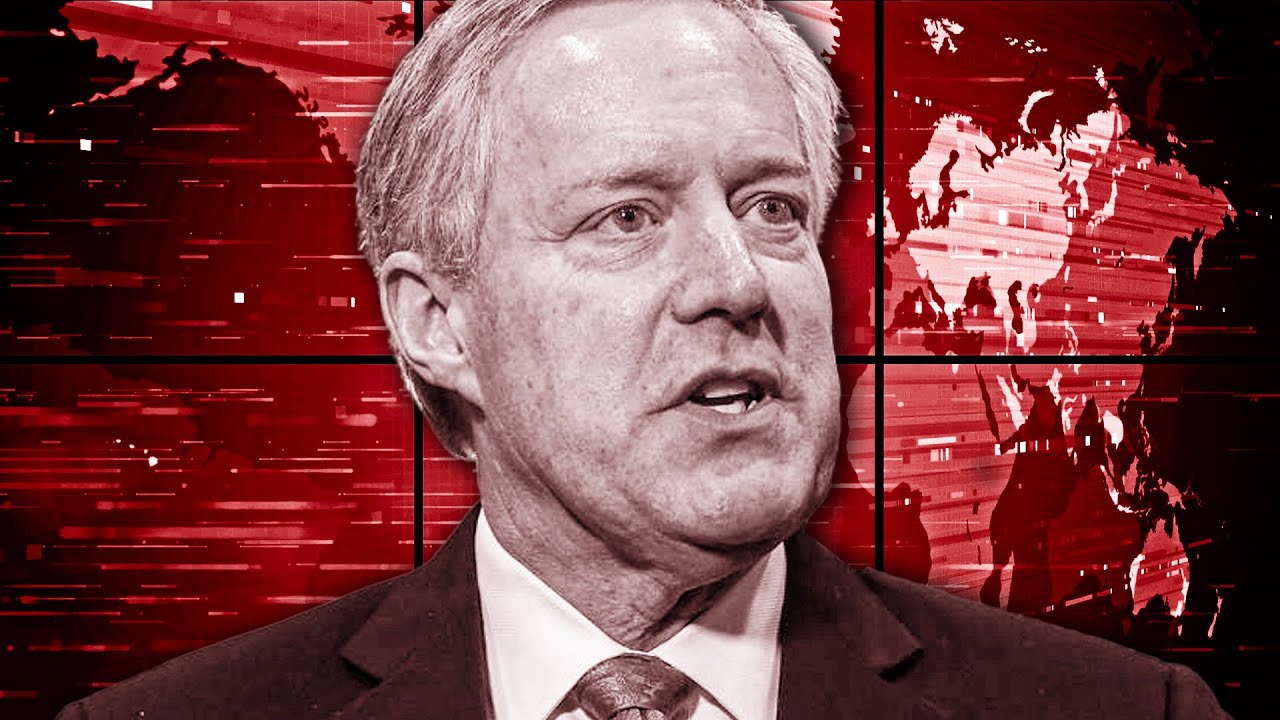
Sarah Palin basically got laughed out of court by a District Judge after trying to revive her lawsuit against The New York Times. Palin previously lost her trial after suing the Times for defamation, but she wanted another go at it. The judge wasn't having it, and told Palin and her legal team that they hadn't provided even a "speck" of evidence to back up their claims. Farron Cousins explains what happened.
Don't forget to like, comment, and share! And subscribe to stay connected!
Connect with Farron on Twitter
*This transcript was auto-generated. Please excuse any typos.
Sarah Palin and her legal team were pretty much laughed out of court this week after they tried to tell the very judge who oversaw their first trial, that he didn't do a good enough job and he needed to order a retrial. And of course the judge wasn't having any of it because you know, it's never a good idea to go to the judge that oversaw your first failed trial and tell him, judge, we don't like ya. You didn't do a good job. There's partisans in the jury, which you didn't weed out. So we want a new trial judge said. Yeah, absolutely not. And in case you're wondering the trial of course was the recent one that took place where Sarah Palin had, uh, sued the New York times for liable. Uh, basically saying that an article, they ran blamed her for a shooting that took place because she put out an article, uh, not an article, but an ad that had cross hairs on members of Congress.
Then of course, one of them got shot. Uh, they blamed her for it, which of course you can't really do that because you cannot prove that she did it. So she sued them for libel. But before she sued them, obviously the New York times had issued a correction, said, Hey, we're very sorry for doing this. We shouldn't have, we were wrong. That actually happened shortly after they wrote the article because yeah, they screwed up big time. But during her trial, the judge says that Sarah Palin, her legal team couldn't provide quote, even a spec of evidence to show that the New York times acted with actual malice, which of course you have to have, if you wanna prove a liable or slander case, the judge said quote, and the striking thing about the trial here was that Palin for all her earlier assertions could not in the end introduce even a spec of such evidence.
So the judge in issuing that statement this week basically said, sure, you're claiming the jury was rigged. You're claiming that I was, you know, not up to snuff here, but the real issue, the reason you lost was cuz you had no evidence to back up your claims. Now I had said in the past Palin had a pretty strong case, right? And I still think she did, but the jury disagreed and I was not a part of the trial. So I didn't get to see of course the fact that Palin apparently didn't introduce any evidence to back up. Her claims that the New York times did this with actual malice. And then of course we have the other part of it, which is she suffered no damages. That's part of the problem that a lot of people overlook by the way, with slander liable and defamation cases. One of the things you have to be able to show is that the slander liable or defamation
Cost, you cost you, your job cost you future jobs, opportunities, advancements, or cost you financially, Sarah Palin suffered none of those from this New York times article, right? You didn't lose jobs because of it. You're not unemployable today because of it. You lost nothing. You, you had no actual damages, which of course is why the actual malice comes into play. They had to knowingly and intentionally write something that was false for the purpose of hurting you. And you couldn't prove that they actually did it that way. Basically let me put it this way. Suppose the New York times comes out, runs an article that says that, you know, uh, fair and cousins only has eight toes. I don't immediately get to Sue them for libel. I've I've 10 toes in case anybody wondered. Um, because even though it's a lie one, I would have to prove that they knew it was a lie before they published it.
And two, I would have to be able to show that them writing an article saying I have only eight toes has somehow cost me, you know, future gigs or that it hurt the fair and balanced brand. It wouldn't do that. So I wouldn't actually have a case against them because in these instances, of course, the law benefits, the media outlets, they're allowed to a degree to publish things that are wrong. As long as of course they issue corrections and they didn't do it intentionally. That's actually a Supreme court ruling in favor of the New York times, many, many decades ago. So Palin failed. She failed because she couldn't produce any evidence. They tried to go back to the same judge and say, Hey, you're full of crap.
Sentinel Indexing in Progress
Metadata and chapters are available. Claim extraction for this episode is pending.
All video content is delivered via YouTube embedded players in accordance with the YouTube Terms of Service. Sentinel provides research tools that promote discovery and accountability across political media.