History Hustle
@historyhustle·283K subscribers·928 videos
Why Lenin Changed the Russian Capital from Petrograd to Moscow
Posted
November 4, 2024
Views
4,947
Likes
341
Comments
27
Engagement
7.44%
November 4, 2024
4,947
341
27
7.44%
Every word spoken in this episode is indexed. Type any phrase to jump straight to the moment it was said.
Type any word or phrase that may have been spoken. Click a result to seek the player to that exact moment.
Try a name, a topic, or a quoted line
 0:51Now Playing
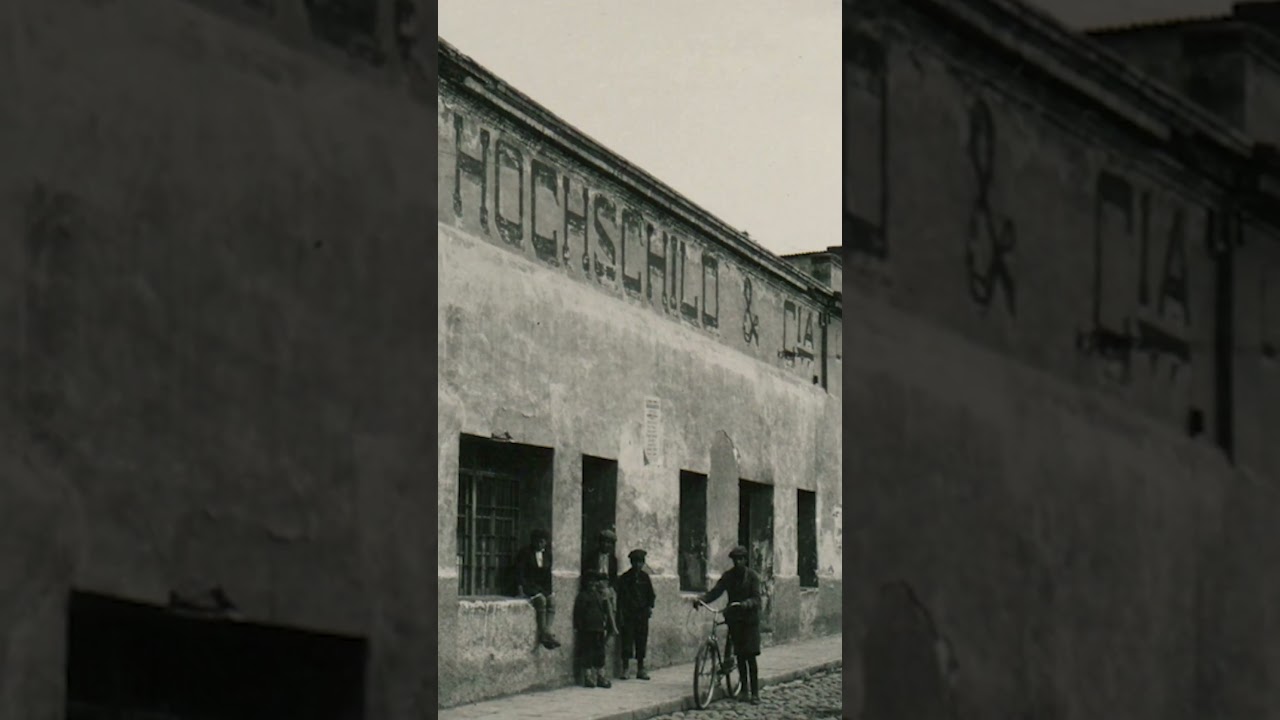
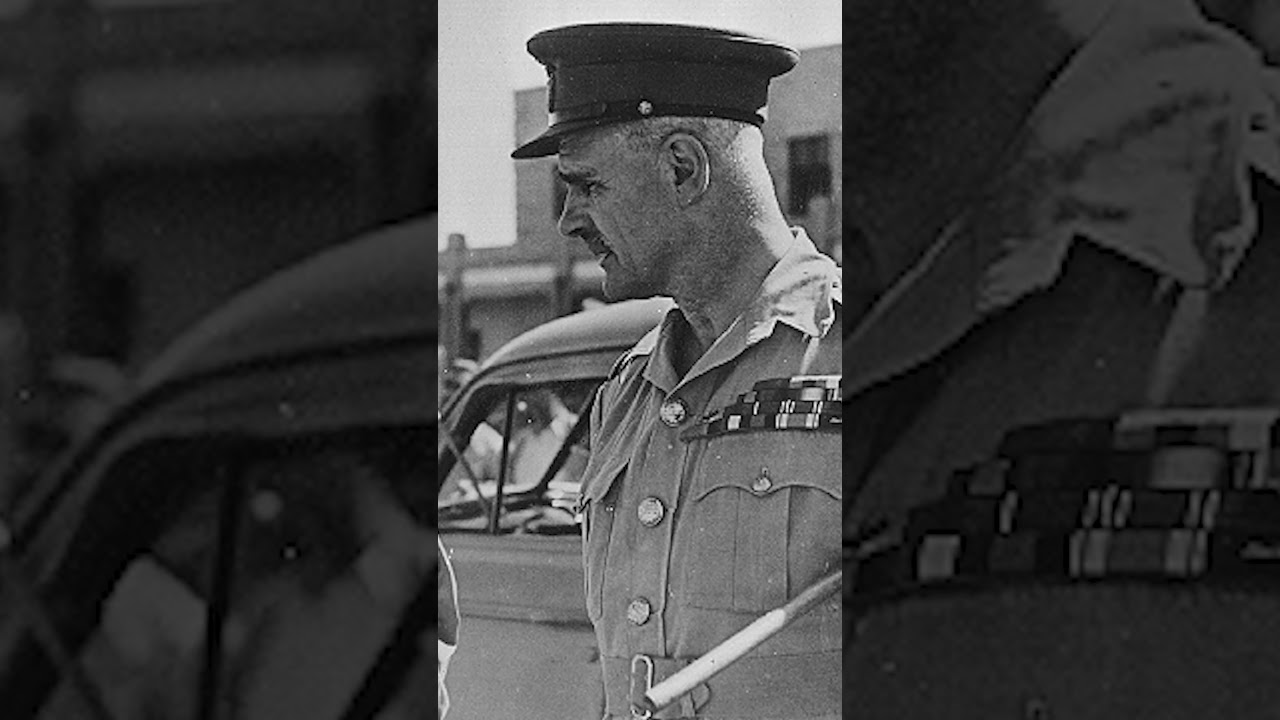
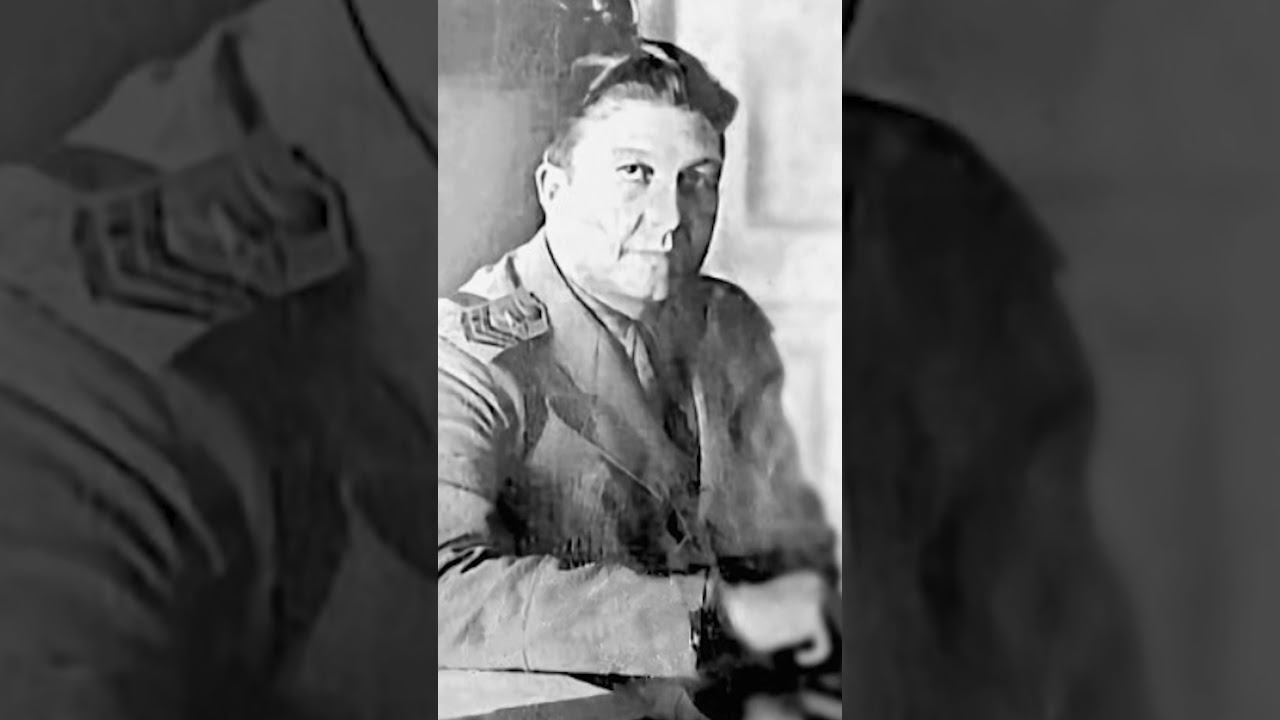
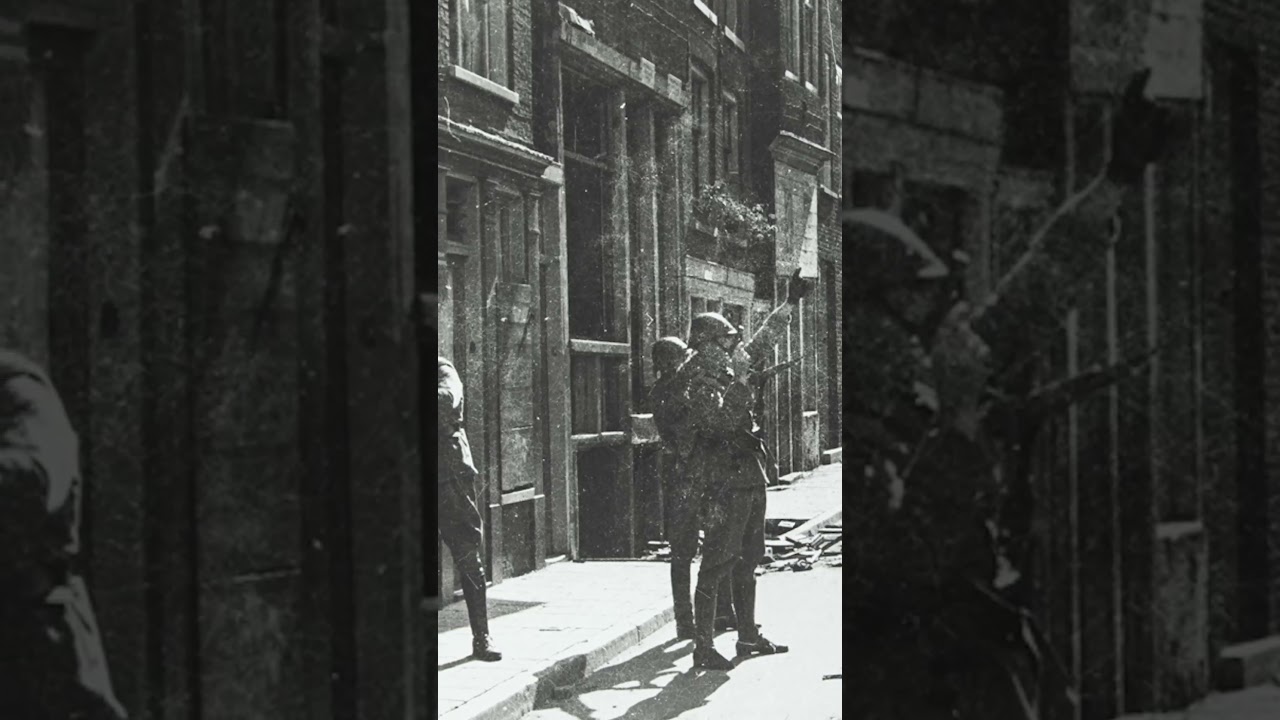
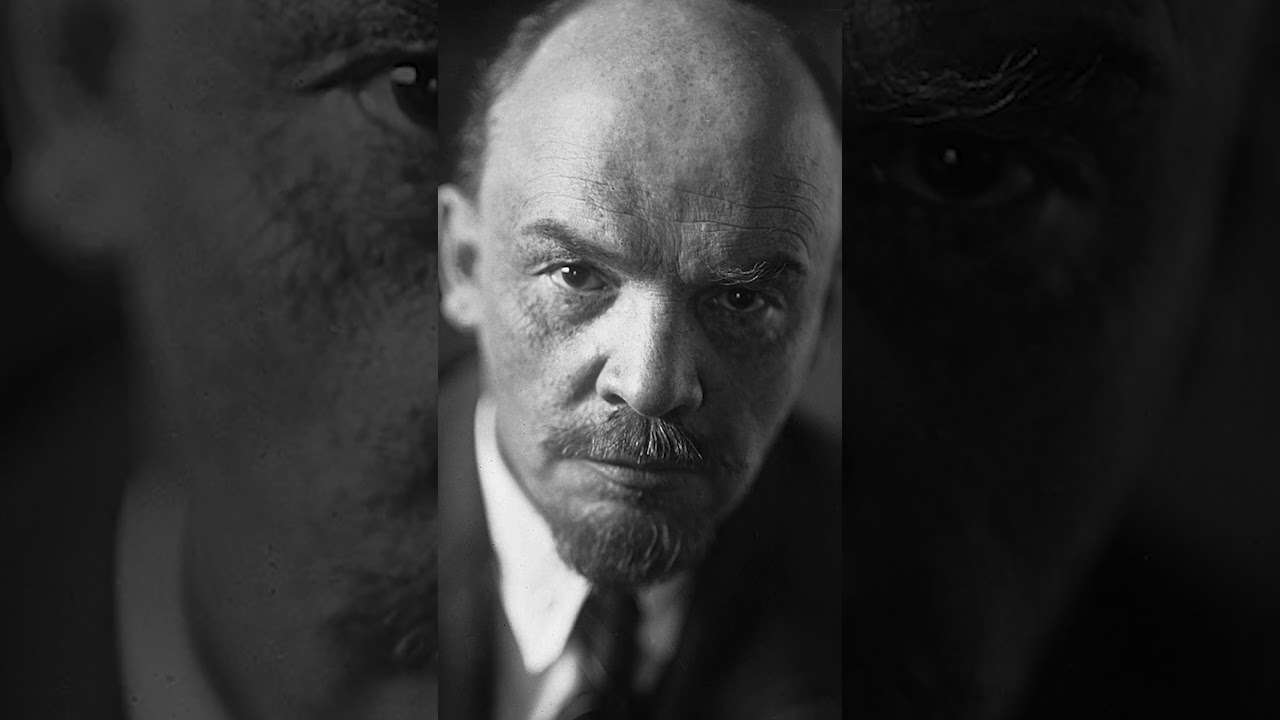
The Russian capital was shifted from Petrograd to Moscow on 12 March 1918 amid the tumultuous backdrop of the Russian Revolution. The move was driven by strategic, symbolic, and security considerations. Petrograd, being closer to the front lines of the conflict, posed security risks for the Bolshevik government led by Vladimir Lenin. Initially by the Germans but after the Brest-Litovsk Peace Treaty by the anti-Bolshevik forces from within Russia. Moscow, with its central location, was deemed more secure and strategically advantageous for coordinating governance across the vast Russian territory. Additionally, Moscow carried historical and symbolic significance as the traditional center of political power in Russia, reinforcing the Bolsheviks' revolutionary ideals and connecting the new government to the country's historical roots. The capital relocation, announced on March 12, 1918, was part of broader efforts to consolidate power and establish the Soviet regime's authority.
VIDEO
World War I: Russian Revolution 3/4
Russian Civil War (1/5)
Russian Civil War (2/5)
Sentinel Indexing in Progress
Metadata and chapters are available. Claim extraction for this episode is pending.
All video content is delivered via YouTube embedded players in accordance with the YouTube Terms of Service. Sentinel provides research tools that promote discovery and accountability across political media.