Syriana Analysis
@syrianaanalysis·113K subscribers·1.3K videos
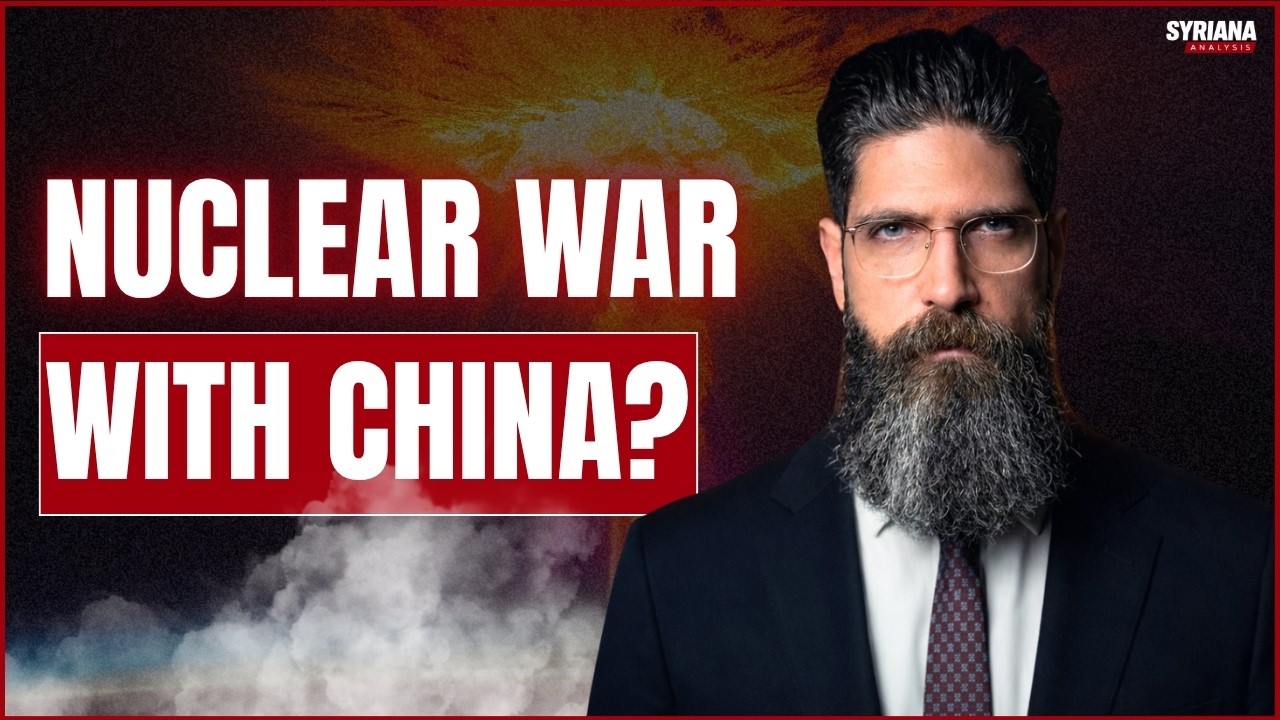
Pentagon's Terrifying New Nuclear Strategy for a War With China
Posted
August 31, 2026
Views
9,551
Likes
547
Comments
76
Engagement
August 31, 2026
9,551
547
76
6.52%
Every word spoken in this episode is indexed. Type any phrase to jump straight to the moment it was said.
Type any word or phrase that may have been spoken. Click a result to seek the player to that exact moment.
Try a name, a topic, or a quoted line
 2:02:37Now Playing
The Pentagon is rewriting America’s nuclear strategy and China is at the center of the calculation.
In today’s Monday Geopolitics, Kevork Almassian examines a major shift underway inside the Pentagon as US officials seek more “credible” and “rational” nuclear options for regional wars involving nuclear-armed powers such as China and Russia.
Under Secretary of Defense for Policy Elbridge Colby has argued that Washington needs nuclear options a US president could realistically employ in a limited regional conflict rather than confronting the choice between surrender and catastrophic strategic nuclear war. Pentagon officials insist the purpose is deterrence, but critics warn that making nuclear weapons appear more usable could also lower the threshold for nuclear escalation.
Why is Washington reconsidering nuclear warfighting now and what does this tell us about the possibility of a future US-China conflict over Taiwan?
Then we turn to the Iran war, six months after Washington and Israel launched their offensive.
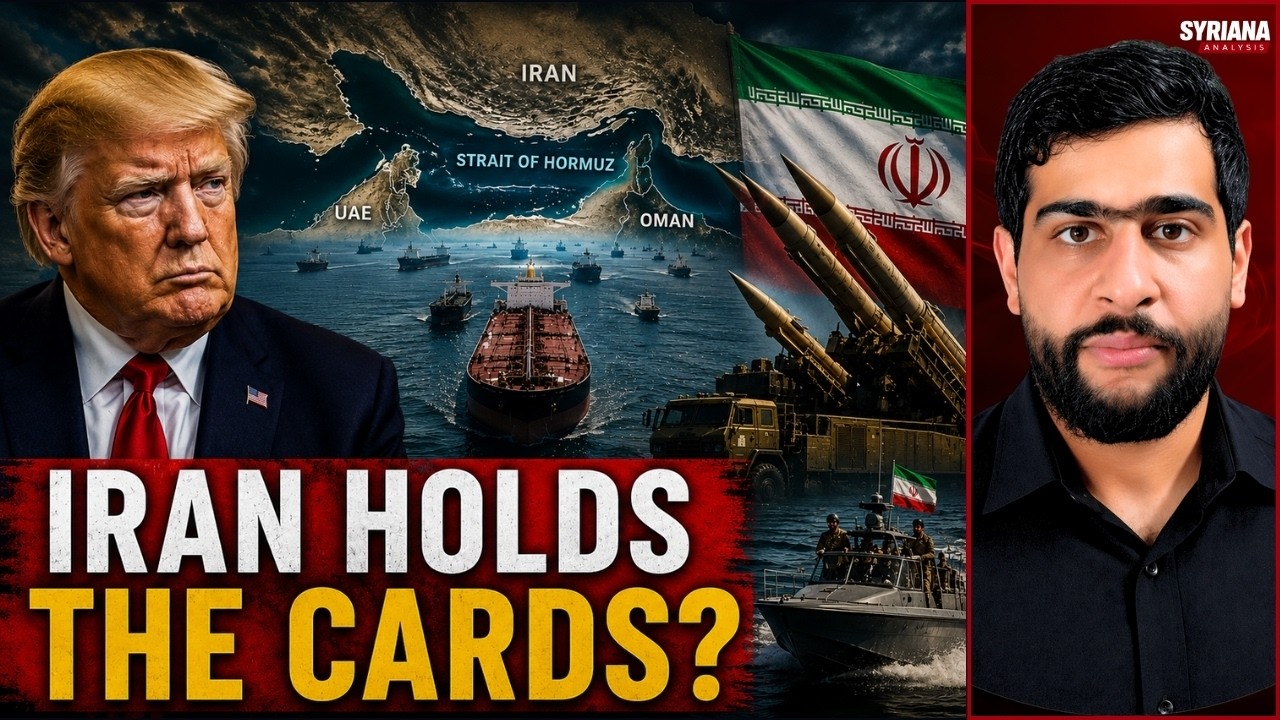
The war has failed to produce the decisive outcome its architects promised. Iran survived the initial assault, the Strait of Hormuz remains a major point of leverage, US weapons stockpiles have been depleted, public support for the war has fallen, and Washington is increasingly relying on economic pressure to force Tehran into negotiations.
We examine Benjamin Netanyahu’s effort to convince Israeli voters that his influence over Washington helped bring the United States into the war and Trump’s own insistence that his intervention saved Israel from destruction.
At the same time, a new Foreign Affairs essay argues that the Iran war may represent the last gasp of an American-led Middle Eastern order rather than its revival.
We also examine another battlefield: the US dollar. Is Trump’s economic nationalism, tariff policy and willingness to weaponize American financial power accelerating foreign efforts to reduce dependence on the dollar?
Finally, we return to Syria, where security negotiations with Israel are exposing the extraordinary demands being placed on the new government in Damascus and the struggle over Israeli withdrawal, demilitarization and Syrian sovereignty. Recent talks have focused on Israeli withdrawal from post-2024 positions, security zones and the restoration of the 1974 disengagement framework.
Monday Geopolitics with Kevork Almassian brings together the week's most consequential geopolitical developments, followed by live audience Q&A.
📅 Every Monday
⏰ 16:30 CET / 10:30 AM ET
🎙️ Geopolitical analysis + live Q&A
Patrons, YouTube members, Super Chats, and Super Stickers receive priority during the Q&A.
Support the Legal Defense for Grand Mufti Hassoun
📌If you value independent geopolitical analysis, please consider supporting our work so we can continue bringing you these deep dives
🛡️ Patreon
💳 PayPal Donations
☕ Buy Me a Coffee
▶️ YouTube Membership
📢 Syriana Analysis is an independent platform providing well-researched geopolitical insights, founded by Kevork Almassian. This program provides independent journalistic analysis for educational and documentary purposes, focusing on complex geopolitical shifts in West Asia and globally.
#China #NuclearWeapons #Pentagon #Iran #Trump #Israel #Geopolitics
Sentinel Indexing in Progress
Metadata and chapters are available. Claim extraction for this episode is pending.
All video content is delivered via YouTube embedded players in accordance with the YouTube Terms of Service. Sentinel provides research tools that promote discovery and accountability across political media.