The Randall Carlson
@therandallcarlson·632K subscribers·2.1K videos
The Artemis Polar Survey Will Tell Us How Much Water the Moon Actually Has
Posted
May 11, 2026
Views
10,810
Likes
581
Comments
9
Engagement
May 11, 2026
10,810
581
9
5.46%
Every word spoken in this episode is indexed. Type any phrase to jump straight to the moment it was said.
Type any word or phrase that may have been spoken. Click a result to seek the player to that exact moment.
Try a name, a topic, or a quoted line
 0:47Now Playing
One of the primary scientific objectives of the Artemis program is a systematic survey of the lunar polar regions to establish how much water ice is actually present and accessible. That question has significant implications for any sustained human presence on the Moon - water is not only essential for life support but a source of hydrogen and oxygen for rocket propellant. Getting a reliable answer to how much is there is foundational to everything that follows.
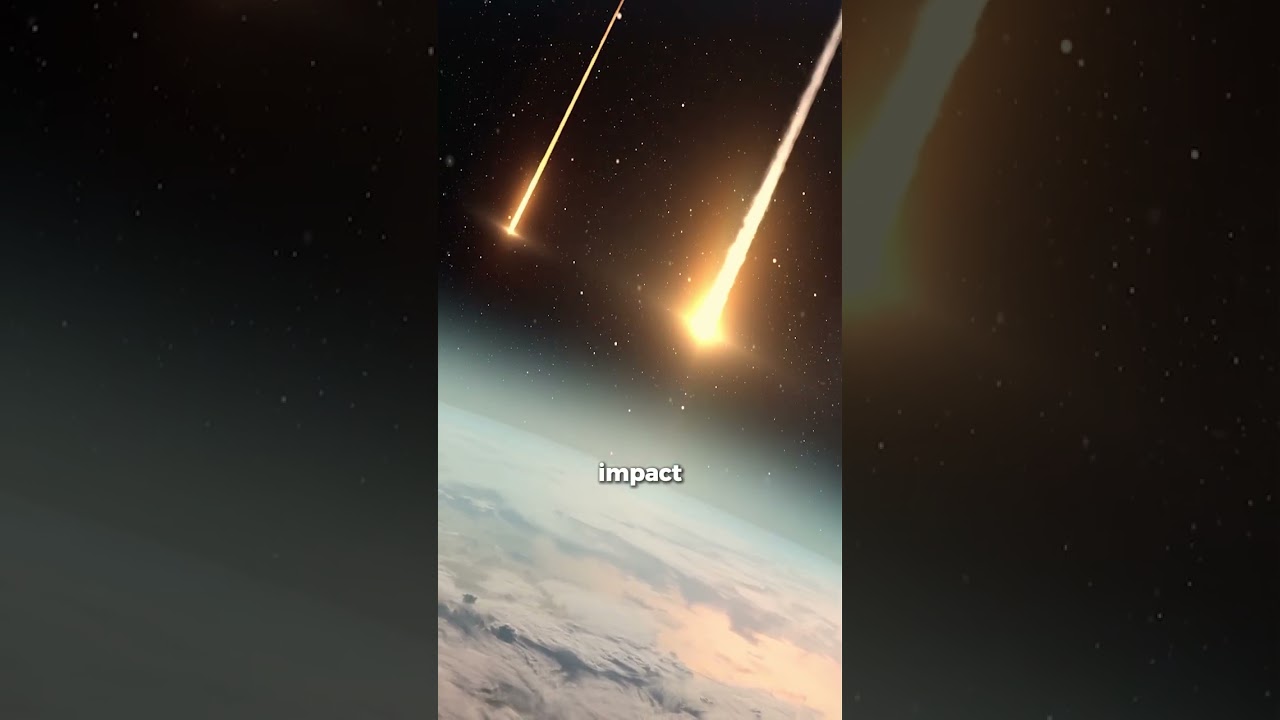
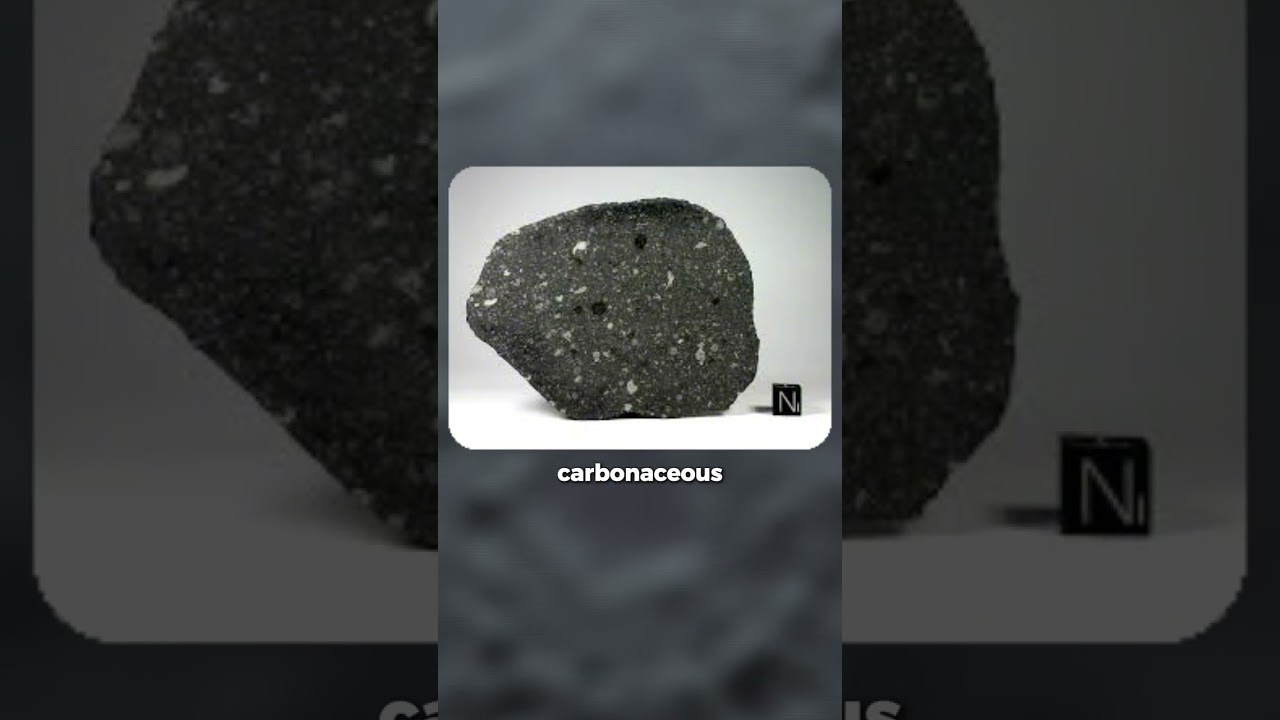
But Randall Carlson's attention is drawn to a broader implication in the same research. Carbon and nitrogen - the other key volatile elements a lunar colony would need - are abundant in carbonaceous chondrite meteorites, which originate from asteroid parent bodies in the main belt. The Moon's supply of these elements arrived as a byproduct of impact history.
If asteroid parent bodies are the delivery mechanism, then the asteroid belt itself - the source of those parent bodies - must contain these elements in quantities that dwarf anything deposited on the lunar surface across geological time. The Moon is the delivery address. The asteroid belt is the warehouse. And the warehouse, Randall argues, is extraordinarily well stocked.
Sentinel Indexing in Progress
Metadata and chapters are available. Claim extraction for this episode is pending.
All video content is delivered via YouTube embedded players in accordance with the YouTube Terms of Service. Sentinel provides research tools that promote discovery and accountability across political media.