The Randall Carlson
@therandallcarlson·632K subscribers·2.1K videos
The Impact Record Is Not Uniformly Distributed Through Time - It Clusters Into Bombardment Epochs
Posted
May 12, 2026
Views
27,493
Likes
1,046
Comments
33
Engagement
May 12, 2026
27,493
1,046
33
3.92%
Every word spoken in this episode is indexed. Type any phrase to jump straight to the moment it was said.
Type any word or phrase that may have been spoken. Click a result to seek the player to that exact moment.
Try a name, a topic, or a quoted line
 0:40Now Playing
The assumption built into most public discussion of impact risk is that the threat is randomly distributed - that any given century is about as dangerous as any other, and that the absence of a major impact in recent memory is simply the normal background state. Randall Carlson argues the geological record does not support that assumption.
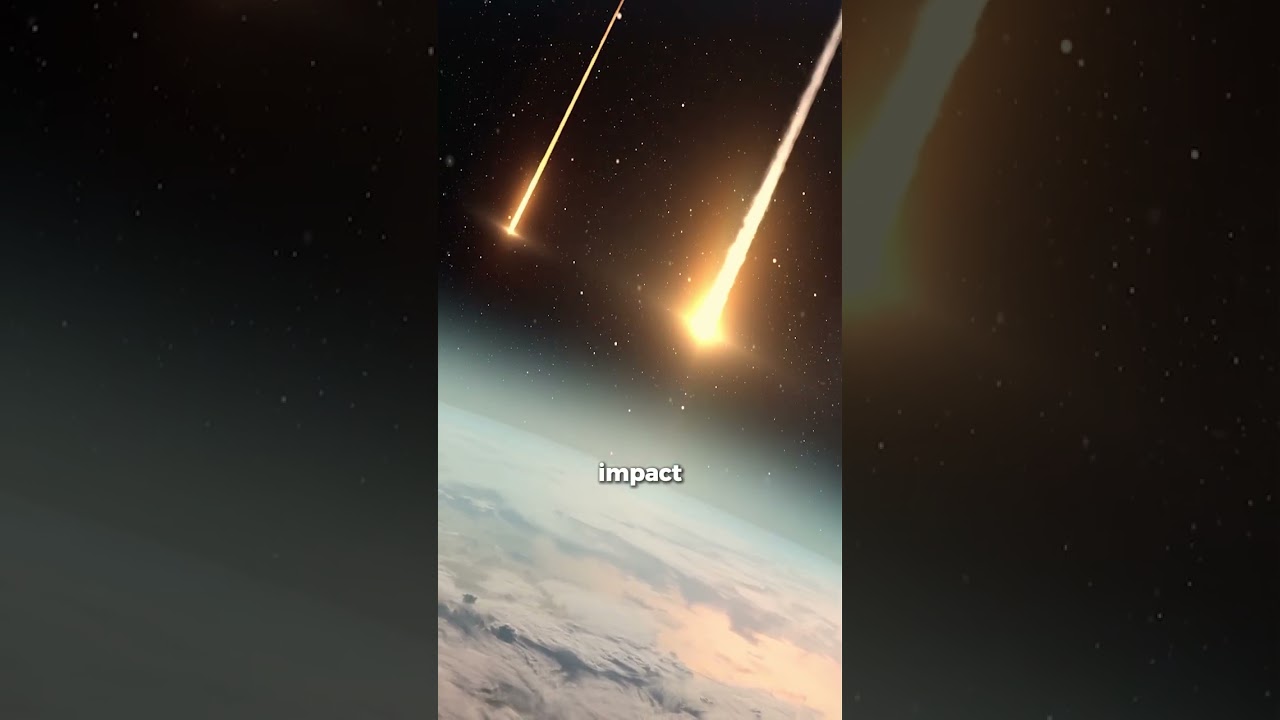
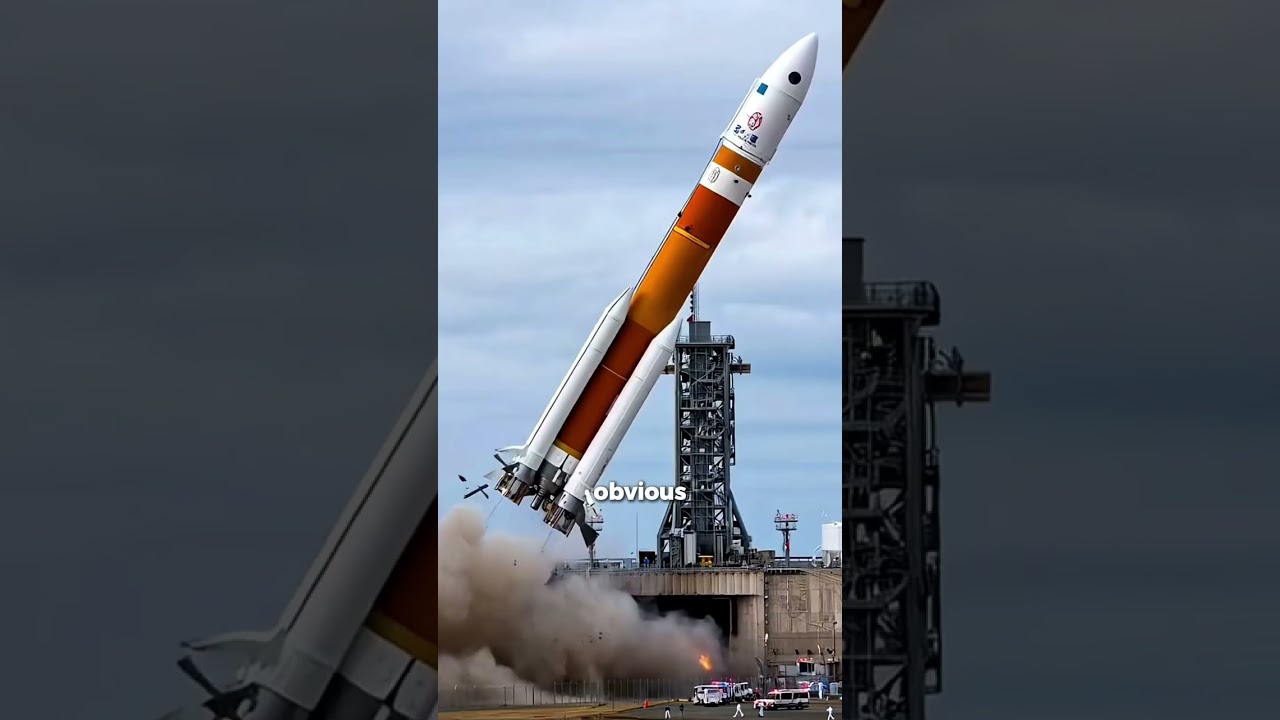
The impact record, when examined across deep time, does not appear uniform. It clusters. There appear to be periods - bombardment epochs - during which impact frequency increases significantly, driven by the fragmentation of a large parent body into multiple offspring that then litter the inner solar system, particularly the plane of the ecliptic where Earth's orbit is located. Each fragment becomes an independent impactor. Each impactor can itself degrade into smaller objects and debris streams. The result is an extended period of elevated impact probability that can persist for thousands of years before the debris disperses sufficiently to return to background levels.
The Younger Dryas boundary is Randall's primary example of what a bombardment epoch looks like in the geological record - and the Taurid complex, the debris field of a giant comet that has been fragmenting for tens of thousands of years and that Earth crosses twice annually, raises the question of whether the current era represents the tail end of one such epoch or the beginning of another.
Sentinel Indexing in Progress
Metadata and chapters are available. Claim extraction for this episode is pending.
All video content is delivered via YouTube embedded players in accordance with the YouTube Terms of Service. Sentinel provides research tools that promote discovery and accountability across political media.