The Randall Carlson
@therandallcarlson·632K subscribers·2.1K videos
Are We Really in a Postglacial World?
Posted
June 7, 2026
Views
12,352
Likes
563
Comments
17
Engagement
4.70%
June 7, 2026
12,352
563
17
4.70%
Every word spoken in this episode is indexed. Type any phrase to jump straight to the moment it was said.
Type any word or phrase that may have been spoken. Click a result to seek the player to that exact moment.
Try a name, a topic, or a quoted line
 0:25Now Playing
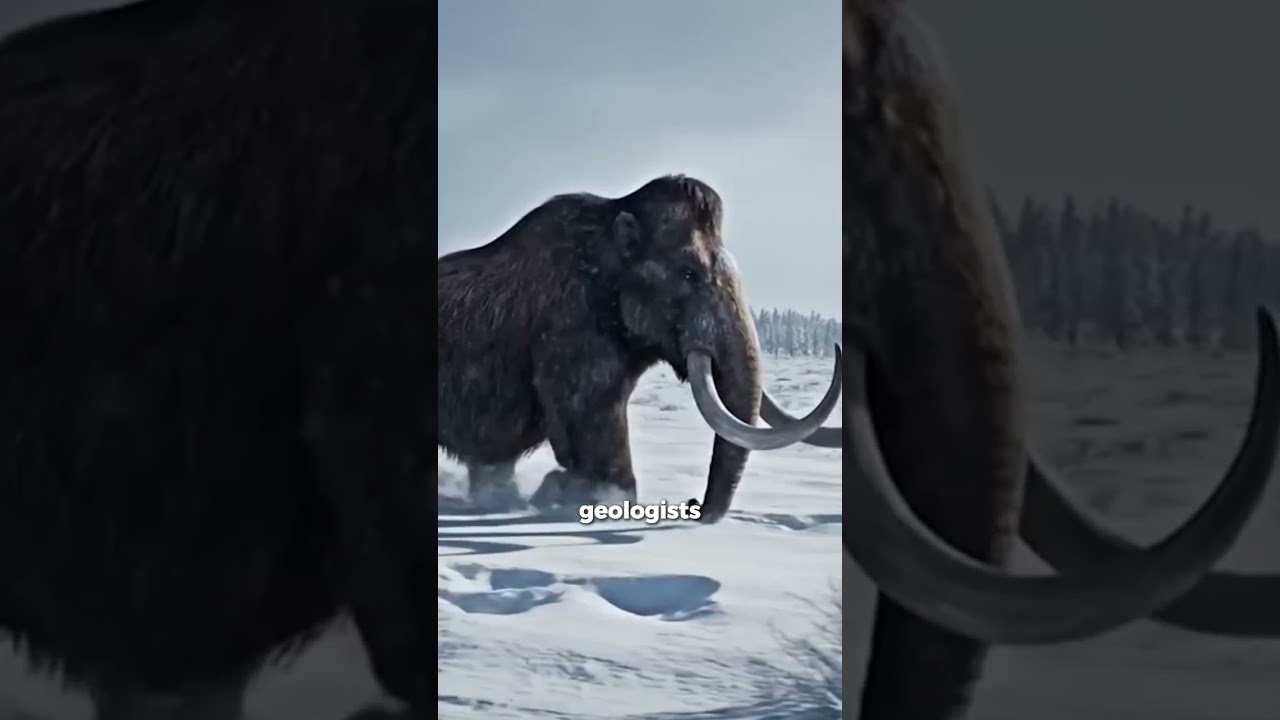
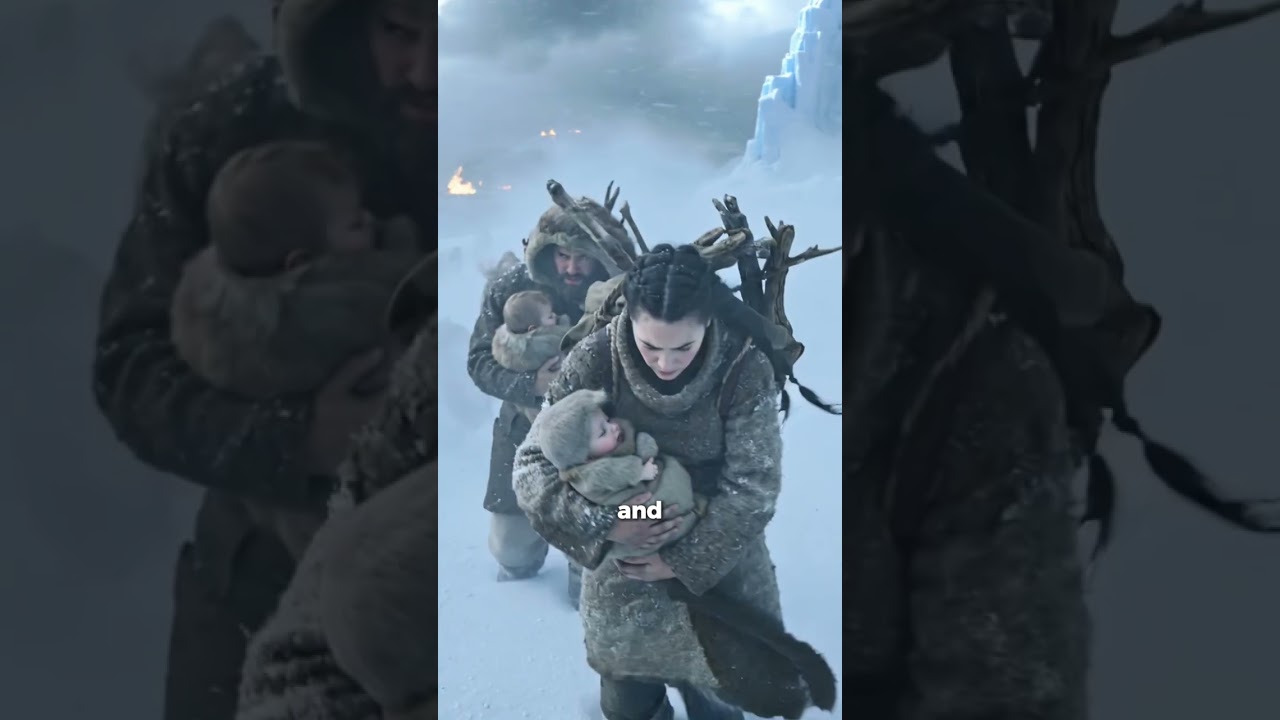
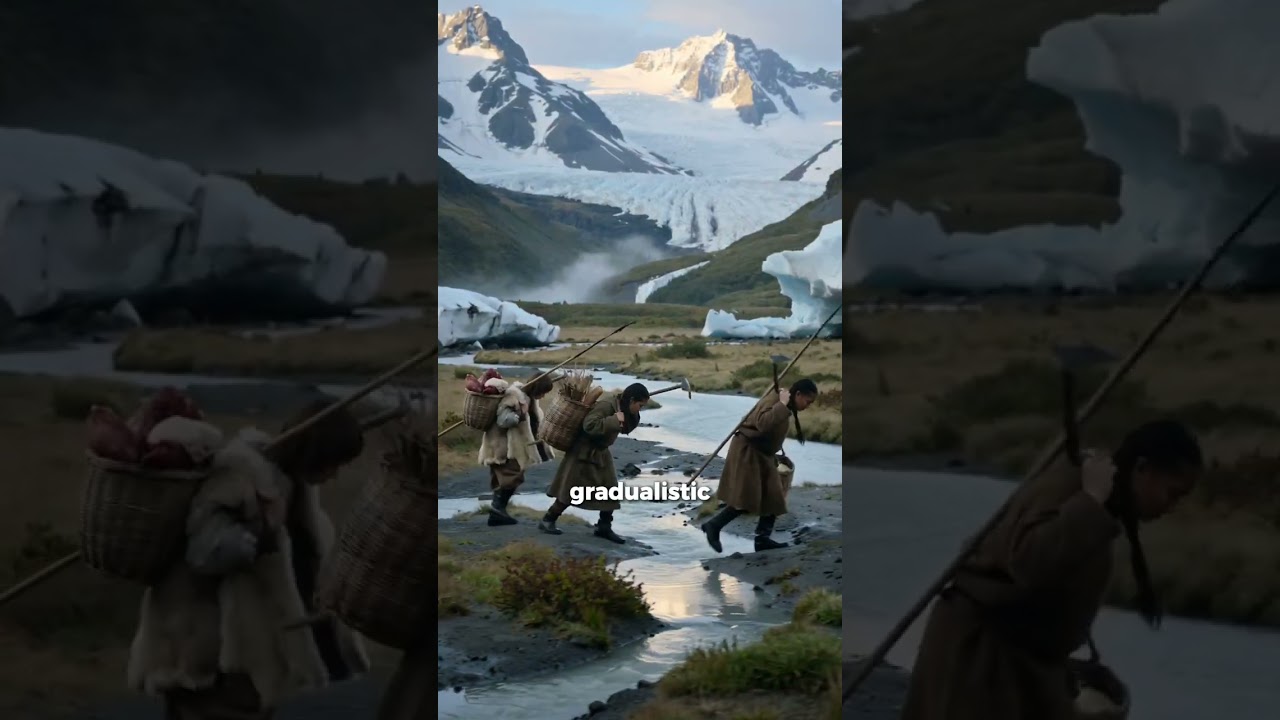
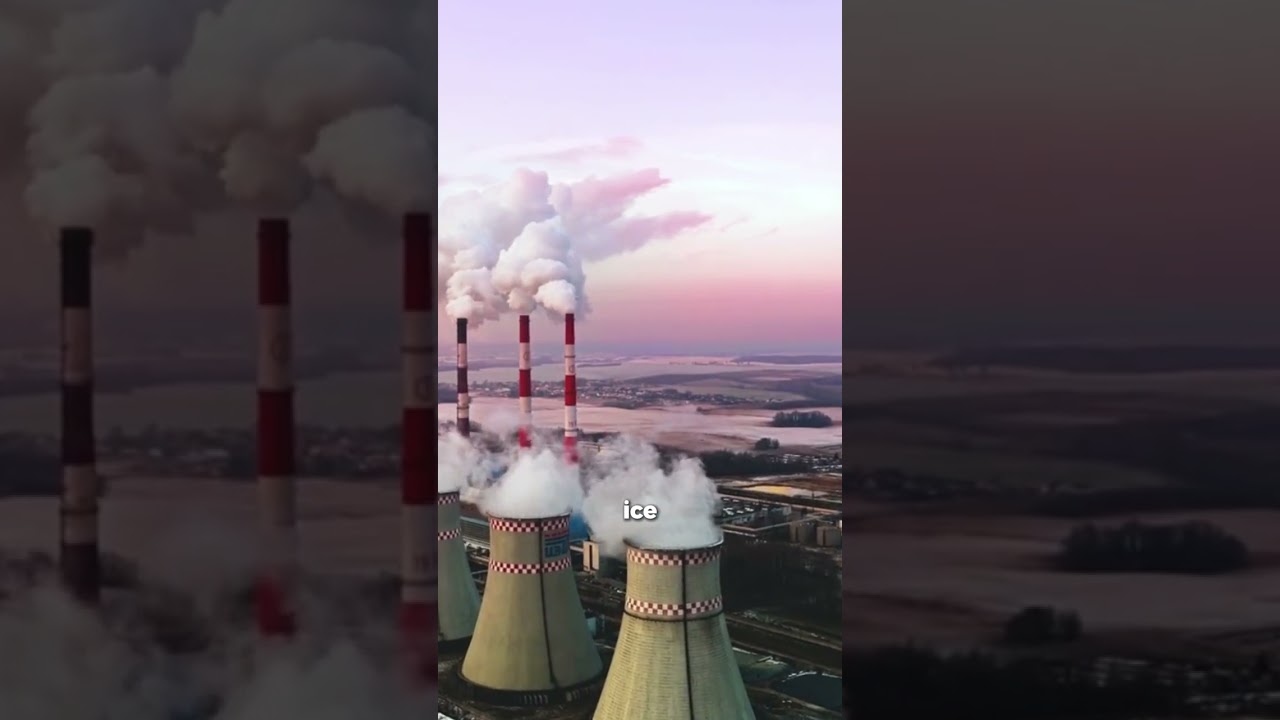
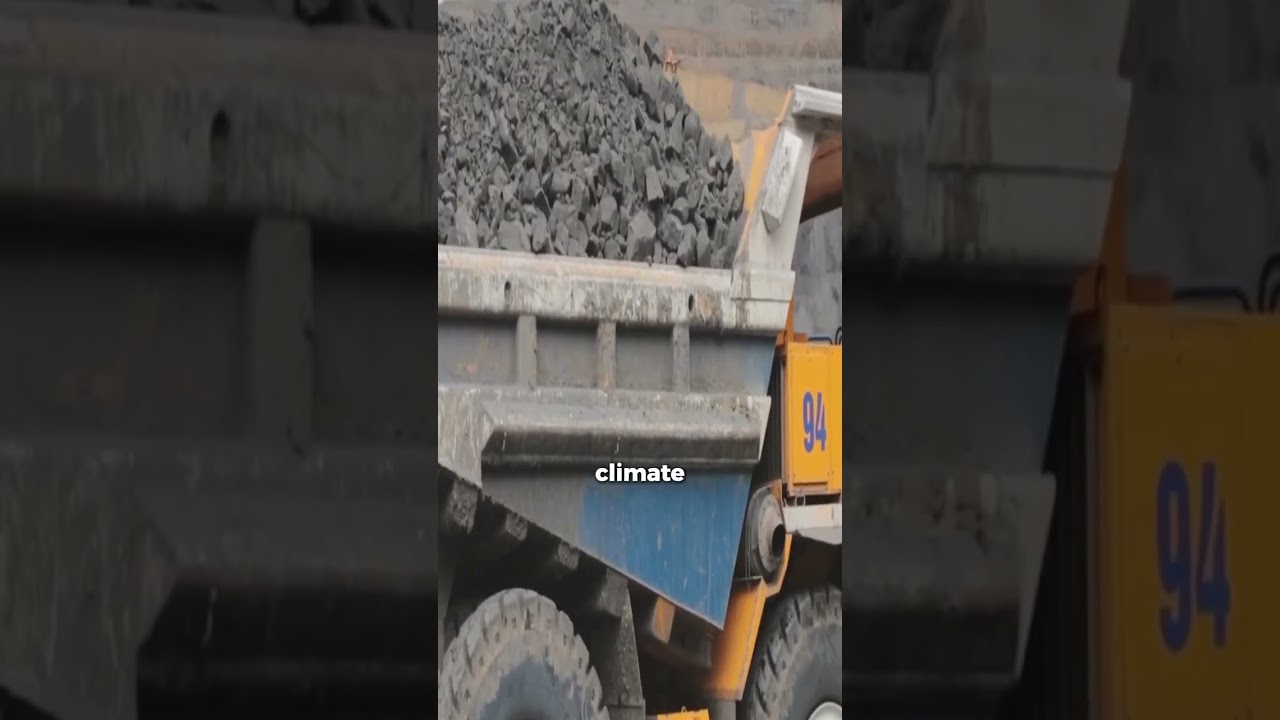
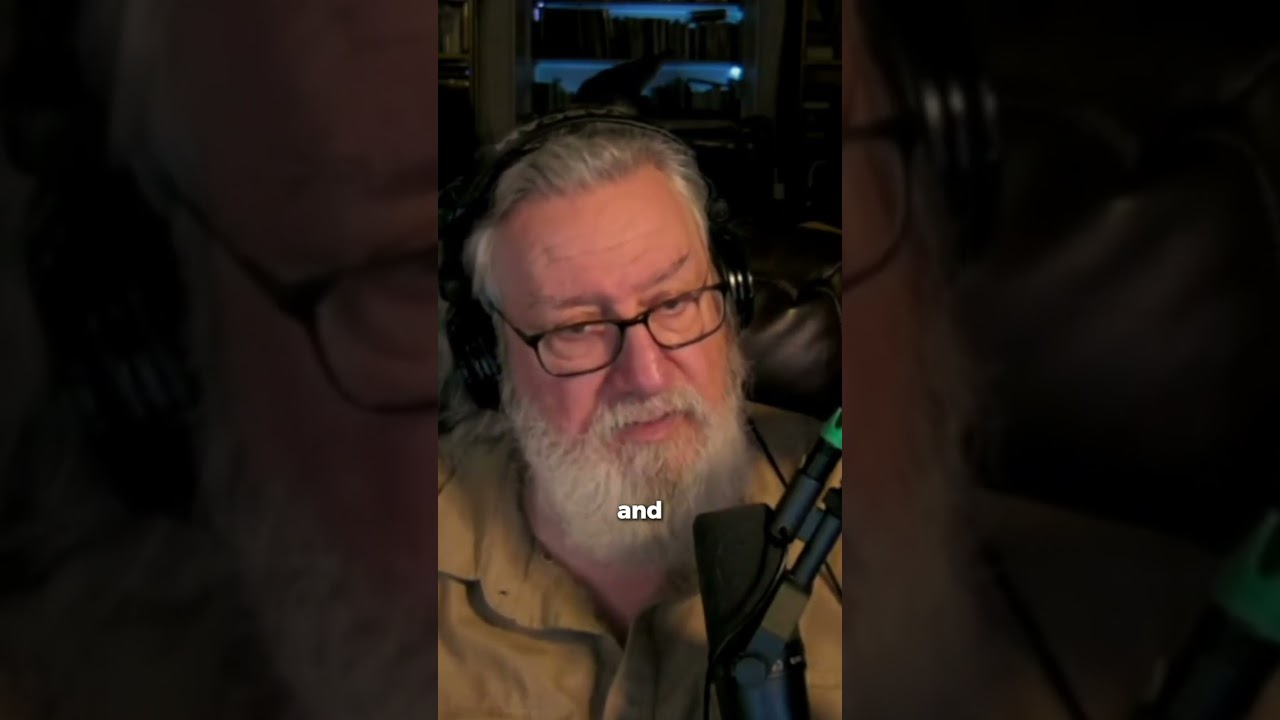
He points to a subtle but critical shift in how we frame our current epoch. The term postglacial carries an implicit assumption: that the age of ice is behind us, finished, relegated to deep history. But the evidence from glacial cycles over the past two million years tells a different story. Interglacials like ours are brief warm intervals, not permanent departures from the ice. The last major glacial advance ended roughly 12,000 years ago, and we speak of it as the last glacial time, as if no more will follow. Yet orbital mechanics, solar variability, and the cyclical nature of climate over deep time suggest otherwise. If we are honest with the data, we might be living not in a postglacial world but in an interglacial one, a temporary warmth between ice ages. The framing matters because it shapes how we understand climate variability and what the future may hold.
Sentinel Indexing in Progress
Metadata and chapters are available. Claim extraction for this episode is pending.
All video content is delivered via YouTube embedded players in accordance with the YouTube Terms of Service. Sentinel provides research tools that promote discovery and accountability across political media.