The Randall Carlson
@therandallcarlson·632K subscribers·2.1K videos
Transgression and Regression: How Coastlines Move
Posted
June 8, 2026
Views
9,558
Likes
593
Comments
10
Engagement
6.31%
June 8, 2026
9,558
593
10
6.31%
Every word spoken in this episode is indexed. Type any phrase to jump straight to the moment it was said.
Type any word or phrase that may have been spoken. Click a result to seek the player to that exact moment.
Try a name, a topic, or a quoted line
 0:35Now Playing
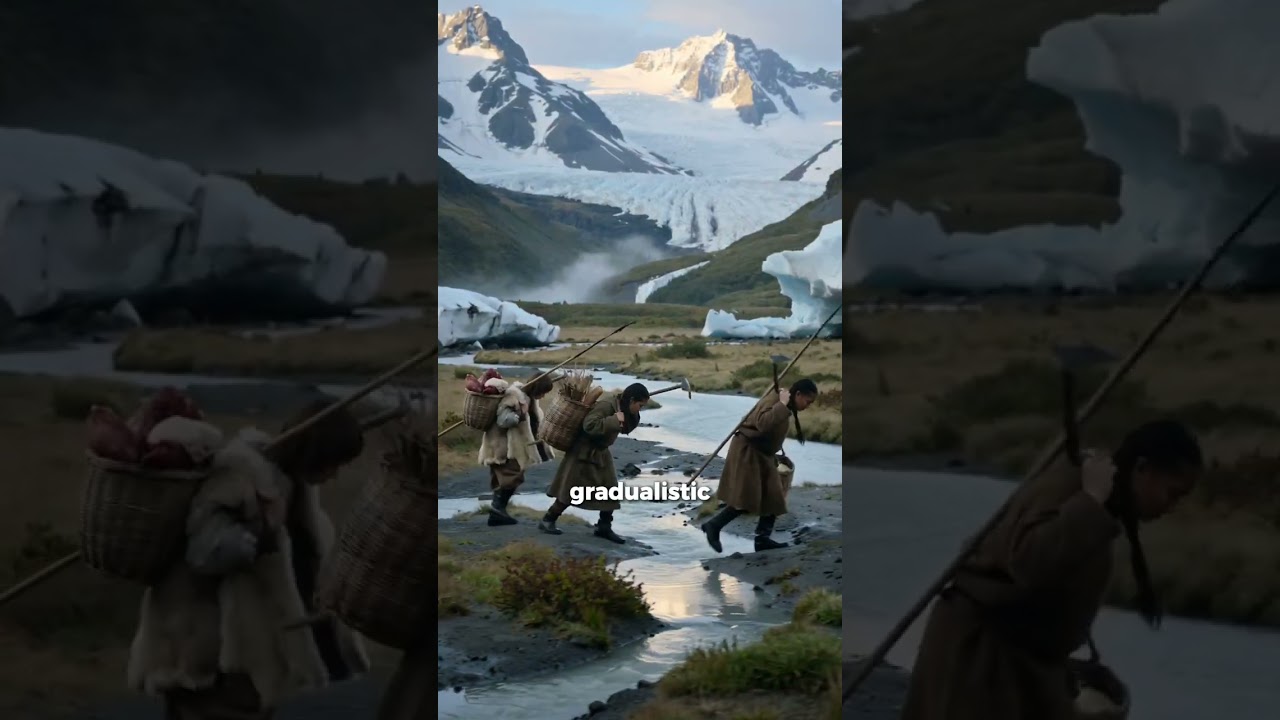
He walks through the mechanics of what happens when sea levels shift, and the terminology tells you everything. When ice melts and sea level rises, coastlines don't hold their ground. They move inland. That movement has a name: transgression. The seas transgress onto the land. When sea level drops, the opposite occurs. Coastlines migrate seaward, and that's called regression. The seas regress, pulling back from the land.
It's a simple concept, but it matters because it describes the physical reality of what happens during glacial and interglacial periods. Coastlines are not fixed features. They respond to the volume of water in the ocean basins. Understanding transgression and regression is foundational to reading the geologic record and recognizing how dramatically landscapes have shifted over the course of the Holocene.
Sentinel Indexing in Progress
Metadata and chapters are available. Claim extraction for this episode is pending.
All video content is delivered via YouTube embedded players in accordance with the YouTube Terms of Service. Sentinel provides research tools that promote discovery and accountability across political media.