The Randall Carlson
@therandallcarlson·632K subscribers·2.1K videos
How Research Funding Shaped Climate Narratives
Posted
June 7, 2026
Views
8,112
Likes
632
Comments
25
Engagement
8.10%
June 7, 2026
8,112
632
25
8.10%
Every word spoken in this episode is indexed. Type any phrase to jump straight to the moment it was said.
Type any word or phrase that may have been spoken. Click a result to seek the player to that exact moment.
Try a name, a topic, or a quoted line
 0:42Now Playing
Randall Carlson's digital academy is finally here and the community being built inside it is extraordinary. Come join us at Kosmogonia
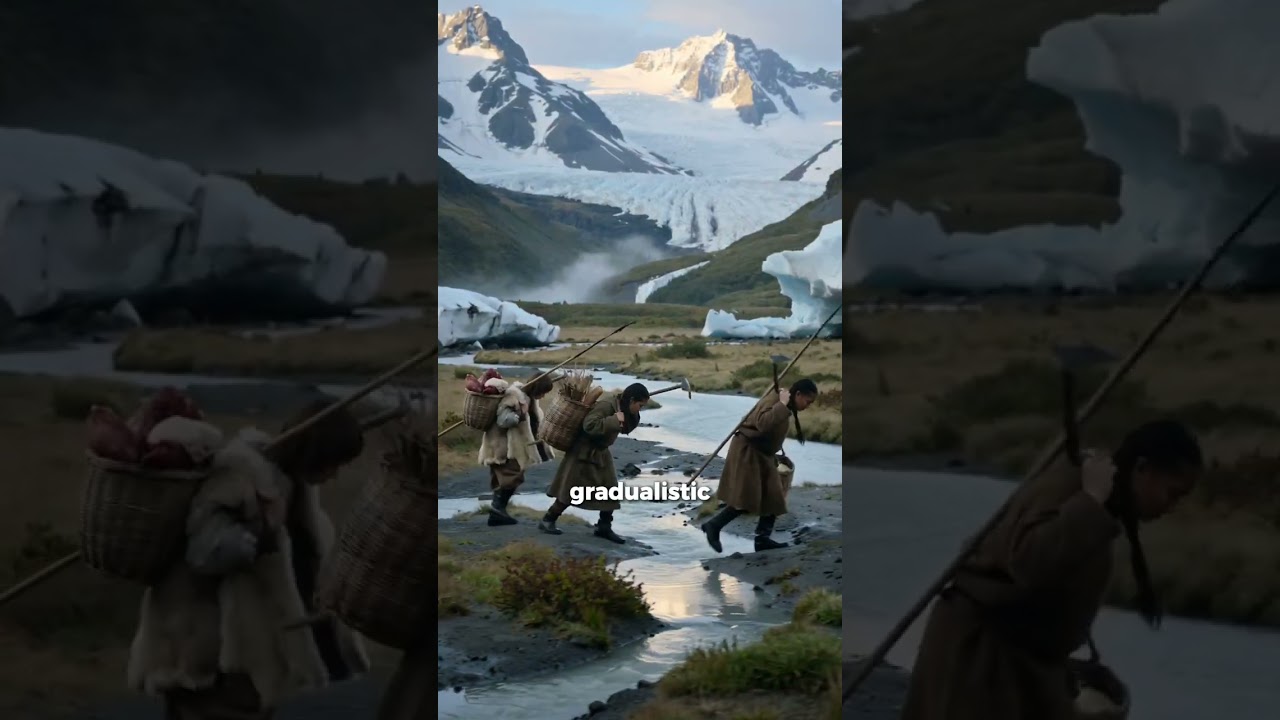
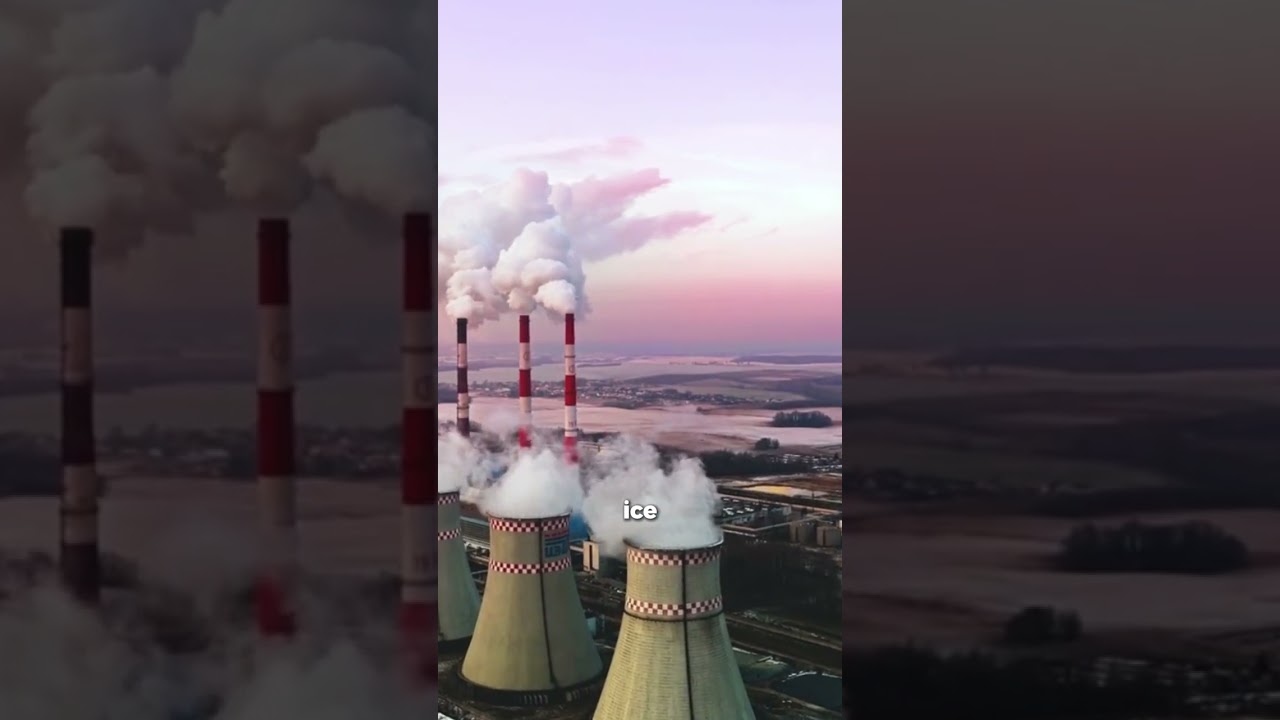
He traces how research funding in the early nineties began redirecting attention toward anthropogenic climate scenarios, often requiring natural catastrophic events to be examined primarily through the lens of future warming predictions. The question became less about understanding past climate dynamics on their own terms and more about what those events might tell us about projected human-caused changes. He points to the Antarctic ice sheet as a case study, where the focus shifted to whether modern warming could trigger collapse rather than investigating the natural mechanisms that have driven such collapses throughout the geological record. Walking through the scientific literature from that period, he suspects many citations framed their research around anthropogenic concerns simply because that was where the funding and institutional support were concentrated, not necessarily because the evidence pointed that direction.
Sentinel Indexing in Progress
Metadata and chapters are available. Claim extraction for this episode is pending.
All video content is delivered via YouTube embedded players in accordance with the YouTube Terms of Service. Sentinel provides research tools that promote discovery and accountability across political media.