The Ring of Fire
@theringoffire·1.4M subscribers·27K videos
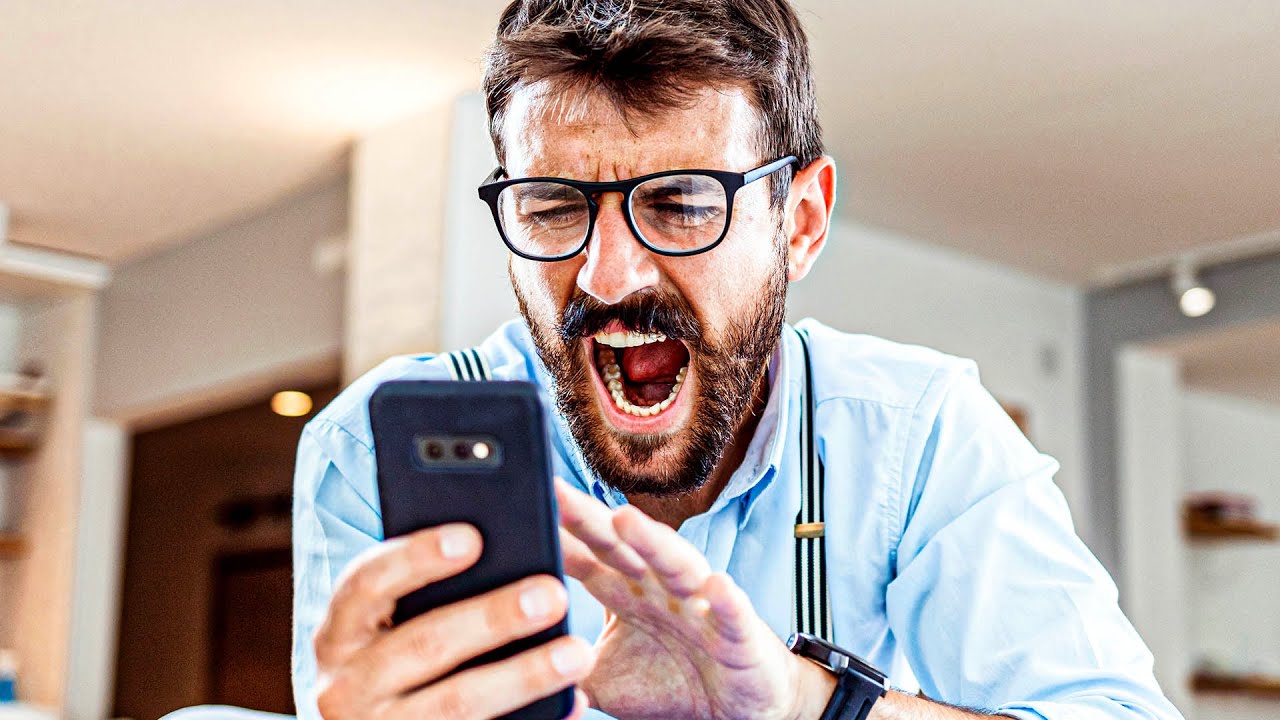
New Study Proves Social Media Is Making Us More Partisan And Angry
Posted
September 25, 2021
Views
12,854
Likes
1,450
Comments
316
Engagement
September 25, 2021
12,854
1,450
316
13.74%
Every word spoken in this episode is indexed. Type any phrase to jump straight to the moment it was said.
Type any word or phrase that may have been spoken. Click a result to seek the player to that exact moment.
Try a name, a topic, or a quoted line
 5:29Now Playing
A new study from New York University’s Stern Center for Business and Human Rights has found that social media networks like Facebook, Twitter, and YouTube have made Americans more partisan than ever before - and also more angry at the "opposing side." This isn't surprising, and anyone that has gone down the rabbit hole in a comment section could have told you this. But the study does point to a dangerous trend that Americans are seeking out only information that goes along with their beliefs and shutting out everything else. Ring of Fire's Farron Cousins discusses this.
Become a member today!
Support us by becoming a monthly patron on Patreon, and help keep progressive media alive!
Find our merchandise at Teespring
Spread the word! LIKE and SHARE this video or leave a comment to help direct attention to the stories that matter. And SUBSCRIBE to stay connected with Ring of Fire's video content!
Support Ring of Fire by subscribing to our YouTube channel
Be sociable! Follow us on:
Follow more of our stories at
Subscribe to our podcast
*This transcript was generated by a third-party transcription software company, so please excuse any typos.
A new study out of New York University's stern center for business and human rights has found that social media might be hazardous to our political health here in the United States. In fact, the study found that Twitter, Facebook and YouTube are actually responsible for helping to further polarize people here in the United States. And of course, in doing so, making us a lot angrier at the other side. Now, the study is very clear, right? These social media platforms did not create polarization here in the United States. Polarization has always been there, but the degree that we see it today and have for the last several years, really is something we had not seen in, in 150 years here in this country. We are deeply divided at the moment and it only appears that that divide is growing even deeper. And New York University says you can thank social media for that because what social media does is not only does it provide the echo chamber for you to go out there and say whatever you want and draw these like-minded individuals in.
But it also allows individuals to seek out information that confirms previously held beliefs. Whether those beliefs are true or false, doesn't matter. You can find anything to support anything if you just suspend your disbelief for just a moment. And that's the problem with the information age today. And honestly, I think it goes far beyond just these social media outlets. Sure, Facebook is the absolute worst for it, absolute worst. But if you go on the internet and you wanted to, you know, read something because maybe you think there's aliens living in the United States, and that they're illegally trying to cross the Mexican border. I guarantee you, you could find an article to support that. It wouldn't be based in reality at all, but you could find it. And if you already were predisposed to believe it, you would believe what you read. That's why we have the 9/11 conspiracy theories. That's why we have the chemtrails conspiracy theories. That's why we have the Q people, because if you can think it, I guarantee you, somebody is already out there putting out propaganda on it. And that is the problem with the information age today.
Access to information has not actually made us smarter. It has not made us more reasonable. It's done the opposite. We're getting dumber because of all of the misinformation and disinformation that is so prevalent on the internet and of course, social media platforms, some of the biggest spreaders of this misinformation. And since people tend to spend their days on and off these social media platforms instead of actually reading news, that's where they get it. That's where they go. And that's how it proliferates and of course it drives these partisan divides. And it makes us angry. It makes us bitter. It spurs on hatred of the other side, whichever side you're on, it makes you hate the other sides even more. And the study warns that this is what helps cause violence like what we saw on January 6th. But then the study gets a little, little dark and it says really the only way to overcome this is through regulation. And at that point, the government would have to step into the social media outlets and tell them what can or cannot be there.
Sentinel Indexing in Progress
Metadata and chapters are available. Claim extraction for this episode is pending.
All video content is delivered via YouTube embedded players in accordance with the YouTube Terms of Service. Sentinel provides research tools that promote discovery and accountability across political media.