United States Institute of Peace
@unitedstatesinstituteofpeace·110K subscribers·2.2K videos
Does the U.S. Strategy for Central Asia Address the Region’s Current Problems?
Posted
January 27, 2022
Views
3,195
Likes
28
Comments
1
January 27, 2022
3,195
28
1
0.91%
Every word spoken in this episode is indexed. Type any phrase to jump straight to the moment it was said.
Type any word or phrase that may have been spoken. Click a result to seek the player to that exact moment.
Try a name, a topic, or a quoted line
 1:30:47Now Playing
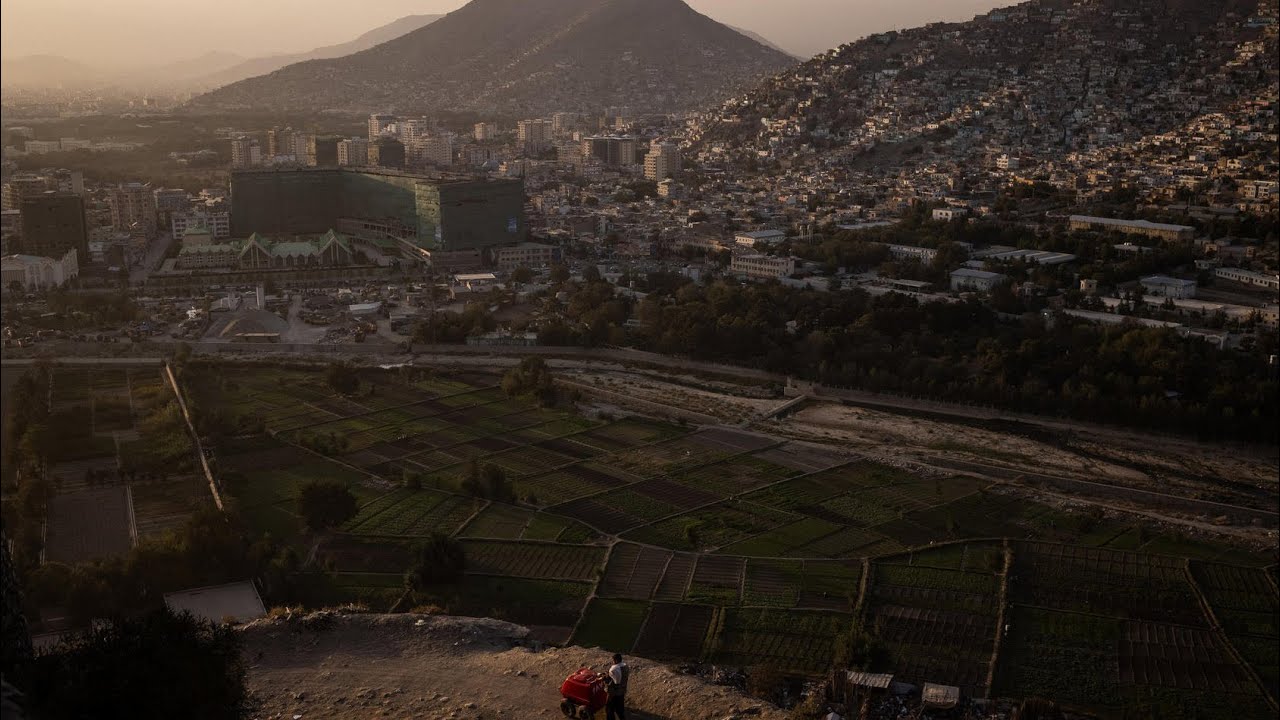
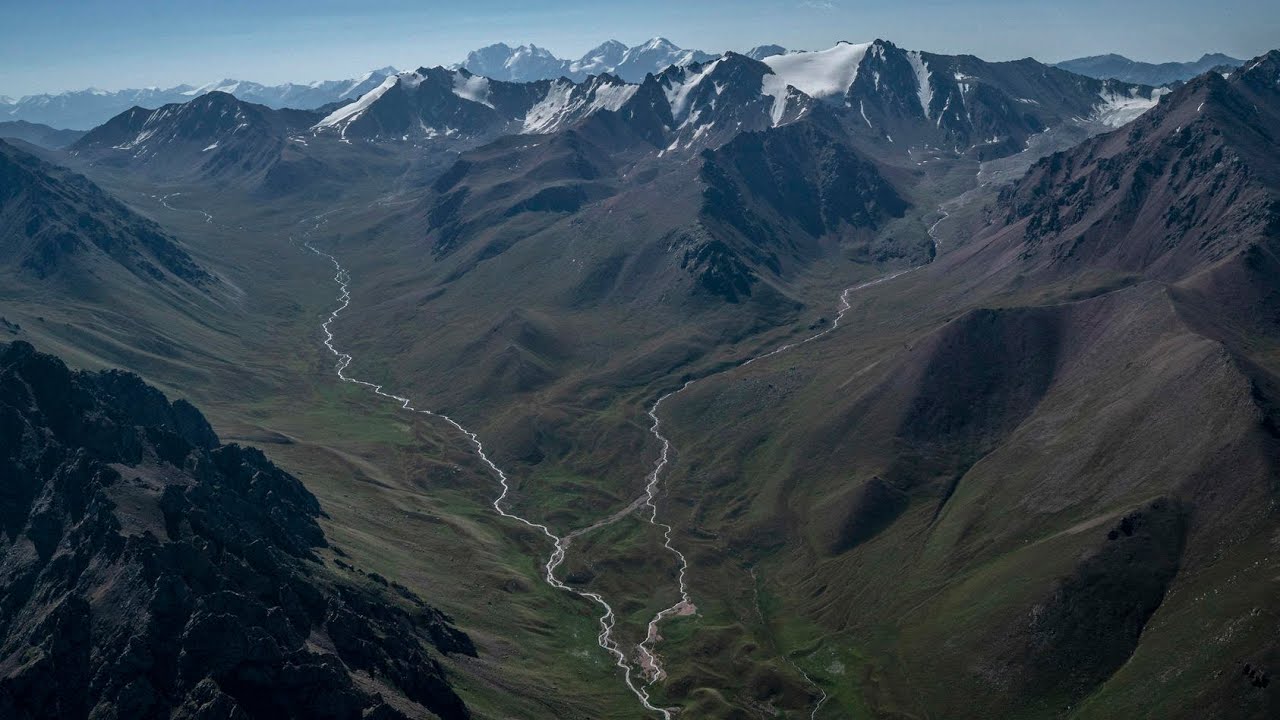
In February 2020, the State Department published a public version of the U.S strategy for Central Asia, which placed particular emphasis on supporting Afghanistan and democracy in the region, in addition to economic goals. Since then, Central Asia has experienced numerous unforeseen upheavals, including the COVID-19 pandemic; election unrest and regime change in Kyrgyzstan; a violent border conflict between Tajikistan and Kyrgyzstan; the U.S. withdrawal from Afghanistan and subsequent Taliban takeover; and protests over fuel prices in Kazakhstan earlier this month that quickly turned violent, leading to the first deployment of multinational forces under the Russian-led Collective Security Treaty Organization.
U.S. leverage and presence in the region has diminished significantly since the strategy was adopted. In order to achieve its strategic goals in Central Asia, U.S engagement will have to adapt to these recent upheavals — especially as Russia and China compete for influence in the region.
Join USIP for a discussion of what a strategy for Central Asia could look like going forward given the significant change and uncertainty in the region. The conversation will examine how the United States can contribute to greater stability and promote common interests while making progress on strategic goals.
For more information about this event, and to RSVP, visit
Speakers:
Lesslie Viguerie, introductory remarks
Deputy Assistant Secretary for Central Asian and Pakistan Affairs, U.S. Department of State
Gavin Helf, moderator
Senior Expert, Central Asia, U.S. Institute of Peace
Ambassador (Ret.) Richard Hoagland
Chair, Security and Politics Program, Caspian Policy Center; Former U.S Ambassador to Kazakhstan
Jennifer Murtazashvili
Associate Professor and Director, Center for Governance and Markets, University of Pittsburgh
S. Frederick Starr
Chairman, Central Asia-Caucasus Institute
Navbahor Imamova
Multimedia Journalist, Voice of America’s Uzbek Service
Donald Jensen
Director, Russia and Strategic Stability, U.S. Institute of Peace
Connect with us!
Subscribe to our YouTube channel
Newsletters
The United States Institute of Peace is a national, nonpartisan, independent institute, founded by Congress and dedicated to the proposition that a world without violent conflict is possible, practical and essential for U.S. and global security. In conflict zones abroad, the Institute works with local partners to prevent, mitigate, and resolve violent conflict. To reduce future crises and the need for costly interventions, USIP works with governments and civil societies to build local capacities to manage conflict peacefully. The Institute pursues its mission by linking research, policy, training, analysis and direct action to support those who are working to build a more peaceful, inclusive world. Learn more about USIP
Sentinel Indexing in Progress
Metadata and chapters are available. Claim extraction for this episode is pending.
All video content is delivered via YouTube embedded players in accordance with the YouTube Terms of Service. Sentinel provides research tools that promote discovery and accountability across political media.