United States Institute of Peace
@unitedstatesinstituteofpeace·110K subscribers·2.2K videos
30 Years Later: El Salvador’s Peace Accords (Spanish)
Posted
January 20, 2022
Views
586
Likes
9
Engagement
1.54%
January 20, 2022
586
9
1.54%
Every word spoken in this episode is indexed. Type any phrase to jump straight to the moment it was said.
Type any word or phrase that may have been spoken. Click a result to seek the player to that exact moment.
Try a name, a topic, or a quoted line
 1:12:05Now Playing
Successes, Shortcomings and the Way Forward
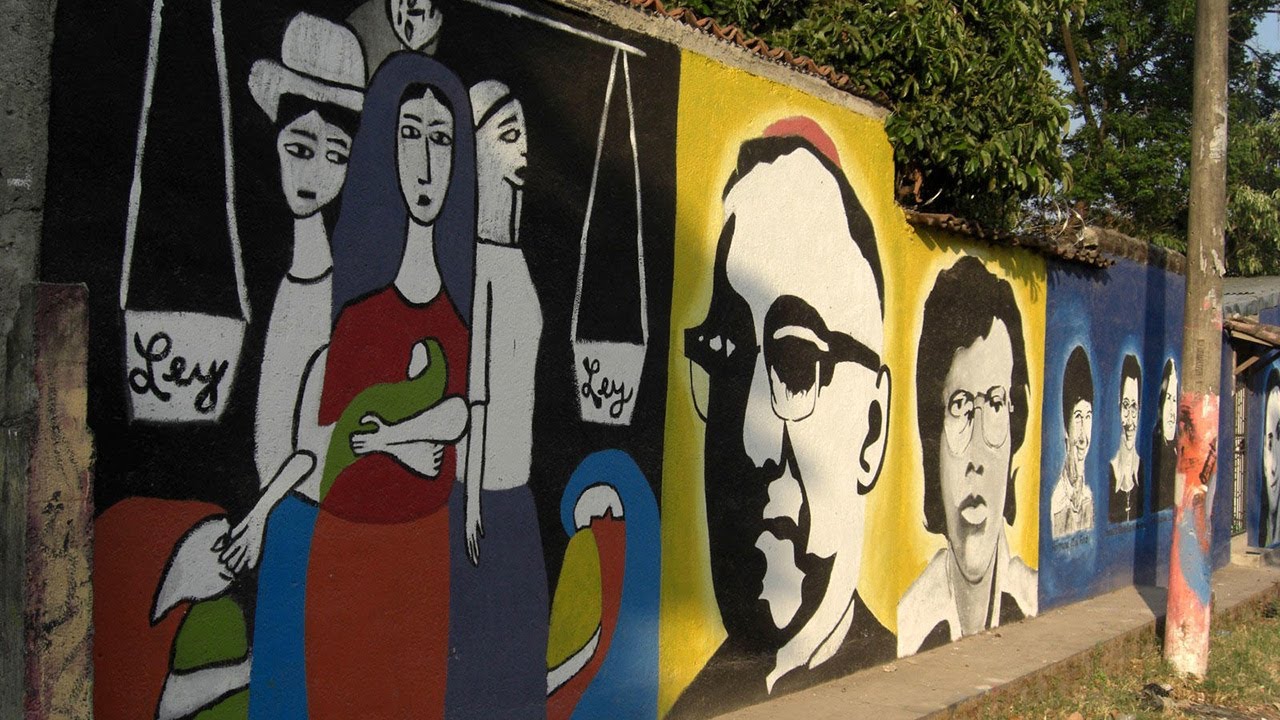
This January marks the 30th anniversary of El Salvador’s peace accords between the government and left-wing guerrillas, which ended a decade-long civil war that claimed at least 75,000 lives. The accords provided for a cease-fire and the demobilization of guerrilla forces, converting the Farabundo Martí National Liberation Front from a rebel force into a political party. They also redefined the role of security forces, mandated electoral and judicial reforms and established a truth commission to investigate serious acts of violence by both sides. El Salvador evolved from a country dominated by the military to a relatively open society with competitive politics, diverse civic organizations and free media.
Nonetheless, many of the agreement’s objectives remain unfulfilled. Amnesty laws have hindered investigations into wartime atrocities, weak institutions have failed to protect the Salvadoran people from widespread corruption and abuse, and violent street gangs dominate many impoverished communities, subjecting Salvadorans to threats, extortion and sexual violence. Discontent with the country’s post-conflict leadership helped elect President Nayib Bukele, a charismatic young populist, in 2019.
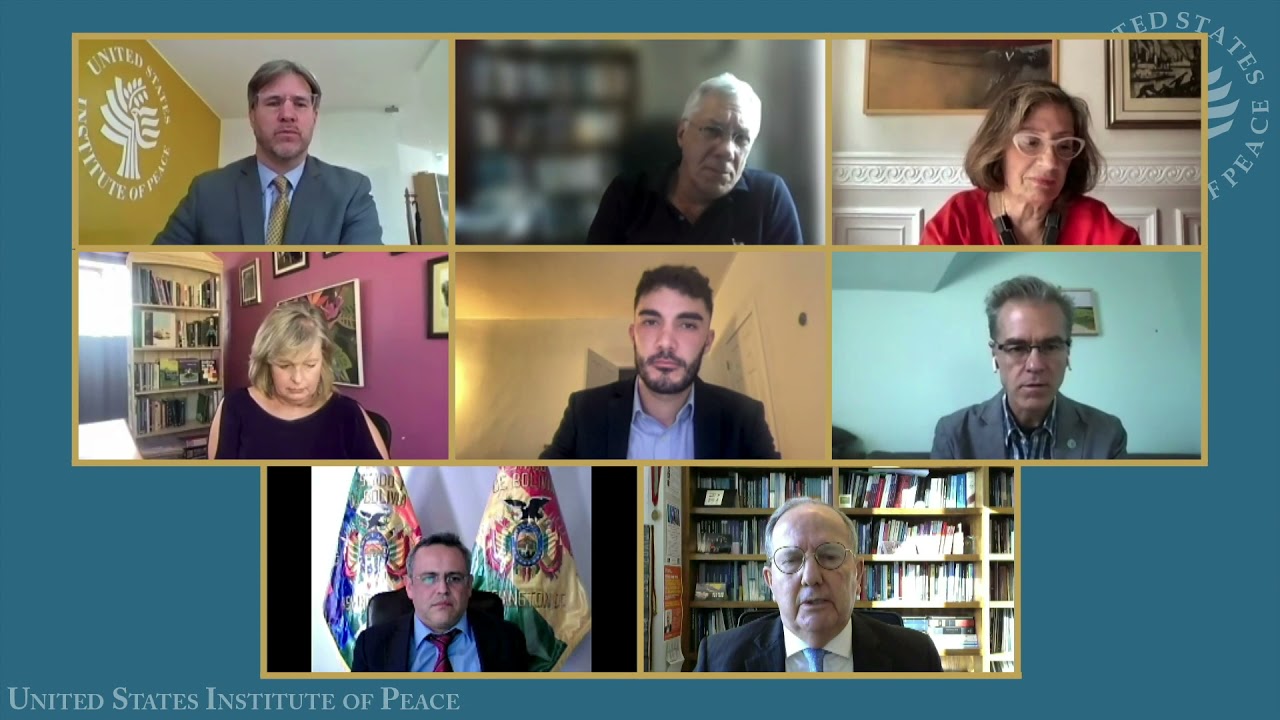
Join USIP and the Due Process of Law Foundation for a discussion that will examine what the 1992 peace agreement achieved, where and why it fell short and what both domestic and international actors can do to help El Salvador address ongoing struggles with violence, polarization and impunity.
Speakers
Douglass Cassell
Former Legal Advisor, U.N. Commission on the Truth for El Salvador; Professor Emeritus, School of Law, University of Notre Dame
Gino Costa
Former Advisor, U.N. Observer Mission in El Salvador; Member of the Peruvian Congress
María Silvia Guillén
President, Foundation for the Study and Application of Law (El Salvador)
Alvaro de Soto
Former U.N. Representative for the Central American Peace Process; Professor, Paris School of International Affairs, Sciences Po
For more information about this event, please visit
Connect with us!
Subscribe to our YouTube channel
Newsletters
The United States Institute of Peace is a national, nonpartisan, independent institute, founded by Congress and dedicated to the proposition that a world without violent conflict is possible, practical and essential for U.S. and global security. In conflict zones abroad, the Institute works with local partners to prevent, mitigate, and resolve violent conflict. To reduce future crises and the need for costly interventions, USIP works with governments and civil societies to build local capacities to manage conflict peacefully. The Institute pursues its mission by linking research, policy, training, analysis and direct action to support those who are working to build a more peaceful, inclusive world. Learn more about USIP
Sentinel Indexing in Progress
Metadata and chapters are available. Claim extraction for this episode is pending.
All video content is delivered via YouTube embedded players in accordance with the YouTube Terms of Service. Sentinel provides research tools that promote discovery and accountability across political media.