Big Think
@bigthink·8.8M subscribers·10.1K videos
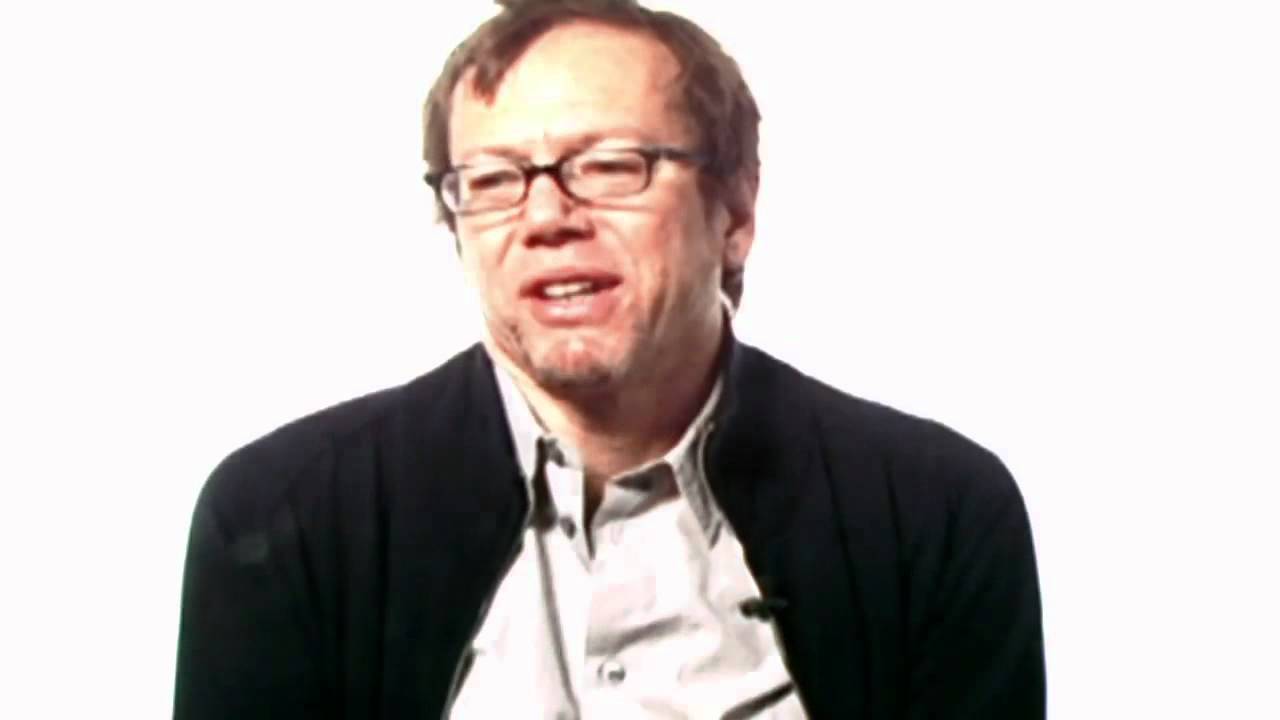
Big Think Interview With Richard Florida | Big Think
Posted
April 24, 2012
Views
757
Likes
9
Engagement
1.19%
April 24, 2012
757
9
1.19%
Every word spoken in this episode is indexed. Type any phrase to jump straight to the moment it was said.
Type any word or phrase that may have been spoken. Click a result to seek the player to that exact moment.
Try a name, a topic, or a quoted line
You’re on April 24, 2012. Earlier episodes are to the left, later ones to the right — the row keeps loading as you go. Click any card to open it.
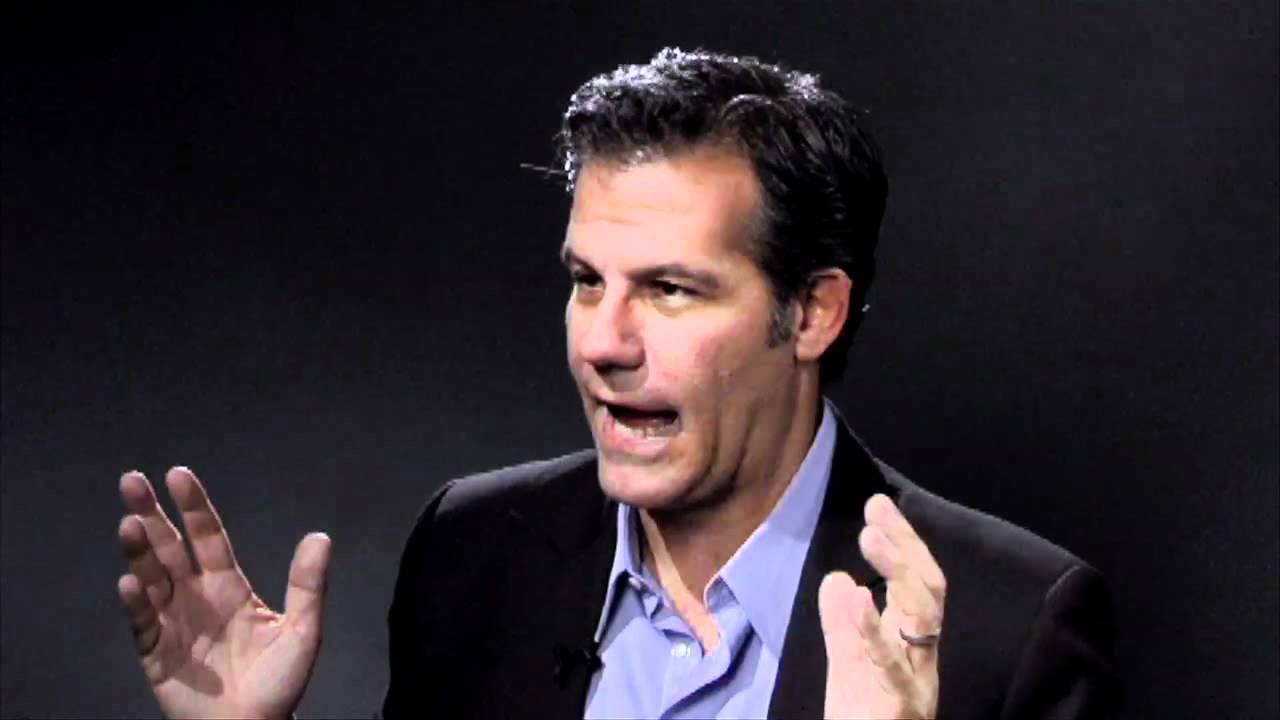 Apr 24, 20121:00:58Now Playing
Big Think Interview With Richard Florida
New videos DAILY
Join Big Think Edge for exclusive videos
----------------------------------------------------------------------------------
A conversation with the director of the Martin Prosperity Institute at the University of Toronto’s Rotman School of Management
----------------------------------------------------------------------------------
Richard Florida:
Richard Florida is author of the global best-seller "The Rise of the Creative Class." His latest books are the "The Great Reset," and "The Rise of the Creative Class Revisited," a revised and expanded tenth anniversary edition of his classic work.
He is also the author of "The Flight of the Creative Class" and "Cities and the Creative Class." His previous books, especially "The Breakthrough Illusion" and "Beyond Mass Production," paved the way for his provocative looks at how creativity is revolutionizing the global economy.
Florida is a regular correspondent for the Atlantic Monthly and a regular columnist for The Globe and Mail. He has written for The New York Times, The Wall Street Journal, The Washington Post, The Boston Globe, The Economist, and The Harvard Business Review. He has been featured as an expert on MSNBC, CNN, BBC, NPR and CBS, to name just a few.
----------------------------------------------------------------------------------
TRANSCRIPT:
Question: Why did you write “The Great Reset?”
Richard Florida: When the economic crises hit in September, a year-and-a-half ago, my long-time editor at the Atlantic Monthly, a fellow named Don Peck, called me up and said, “We want to do something on the crisis, can you write about how New York has been hit: The financial markets, job loss, Wall Street, and all the spillover effects.” And I said, “Sure,” but as soon as I looked at that, it became clear to me that in fact, New York wasn’t the place, ironically, that was being decimated by the economic crisis. It was other parts of the United States, which I, then I wrote an essay for the Atlantic, called “How the Crash is Reshaping America.” And the article got a great deal of excitement and people said, “Why don’t you write a book on it?” With all that interest, I had to write a book.
So what I decided to do was, in the United States, in fact, in economics or in business, we kind of have a good sense of where economic crises, financial crises, panics, great economists have written on this, where depressions come from. The interesting part is we really don’t understand recoveries that well. So what I tried to do was write a book about, not just the short-term nature of recovery, about looking back historically and then into the future, what motivates economic recoveries? And so I looked back at the Great Depression, and then I looked back at the crisis before that, the long depression that was initiated in 1873.
What I found out was something, I think, and hopefully you guys think, is interesting. That the way we typically think countries and cities and communities escape economic crisis is either they have a wave of technological innovation—this is what great economists, Joseph Schumpeter, wrote about. And it’s true, the 1880s and the 1930s were fabulously innovative at that case. The 1930s were much more innovative than the 1990s or 2000s.
We also think sometimes that government spending, Franklin Roosevelt, The New Deal; John Maynard Keynes, Keynesian, public spending is what gets you out of crisis.
And then we had this notion that after the Depression it was World War II that saved us. When I looked at it actually—those things are very important—but what really recasts our economy or resets it or leads to these great resets, are what really you can think of as a new way of living and working. What saved the US or what propelled the U.S. out of recession and depression in the 1940s and ‘50s and ‘60s was suburbanization. And geographers, and I’m an urban planner, geographer, we have a word for this, we call it a "spacial fix." This new way of living and working and shaping our economic landscape propels us out of crisis. And so then I said, “Oh, my, it’s important that public policymakers, the president, the cabinet, the decision makers, the congress understands this,” and then I also wanted to look at what this next great reset, so a good part of the book is looking backward, but then the preponderance of the book is looking forward. What would this new great reset or new special fix or new economic landscape, what would this new way of life potentially be like, looking forward?
Question: Why is a crisis a terrible thing to waste?
Read the full transcript at
Sentinel Indexing in Progress
Metadata and chapters are available. Claim extraction for this episode is pending.
All video content is delivered via YouTube embedded players in accordance with the YouTube Terms of Service. Sentinel provides research tools that promote discovery and accountability across political media.