Big Think
@bigthink·8.8M subscribers·10.1K videos
The Lifestyle Choices You Can Make to Prevent Alzheimer's | Dr. Gary Small | Big Think
Posted
April 24, 2012
Views
827
Likes
6
Engagement
0.73%
April 24, 2012
827
6
0.73%
Every word spoken in this episode is indexed. Type any phrase to jump straight to the moment it was said.
Type any word or phrase that may have been spoken. Click a result to seek the player to that exact moment.
Try a name, a topic, or a quoted line
You’re on April 24, 2012. Earlier episodes are to the left, later ones to the right — the row keeps loading as you go. Click any card to open it.
 Apr 24, 20121:56Now Playing
The Lifestyle Choices You Can Make to Prevent Alzheimer's
New videos DAILY
Join Big Think Edge for exclusive videos
----------------------------------------------------------------------------------
There are everyday steps you can take—from anti-inflammatory drugs to a Mediterranean diet—that can reduce your chances of developing the disease.
----------------------------------------------------------------------------------
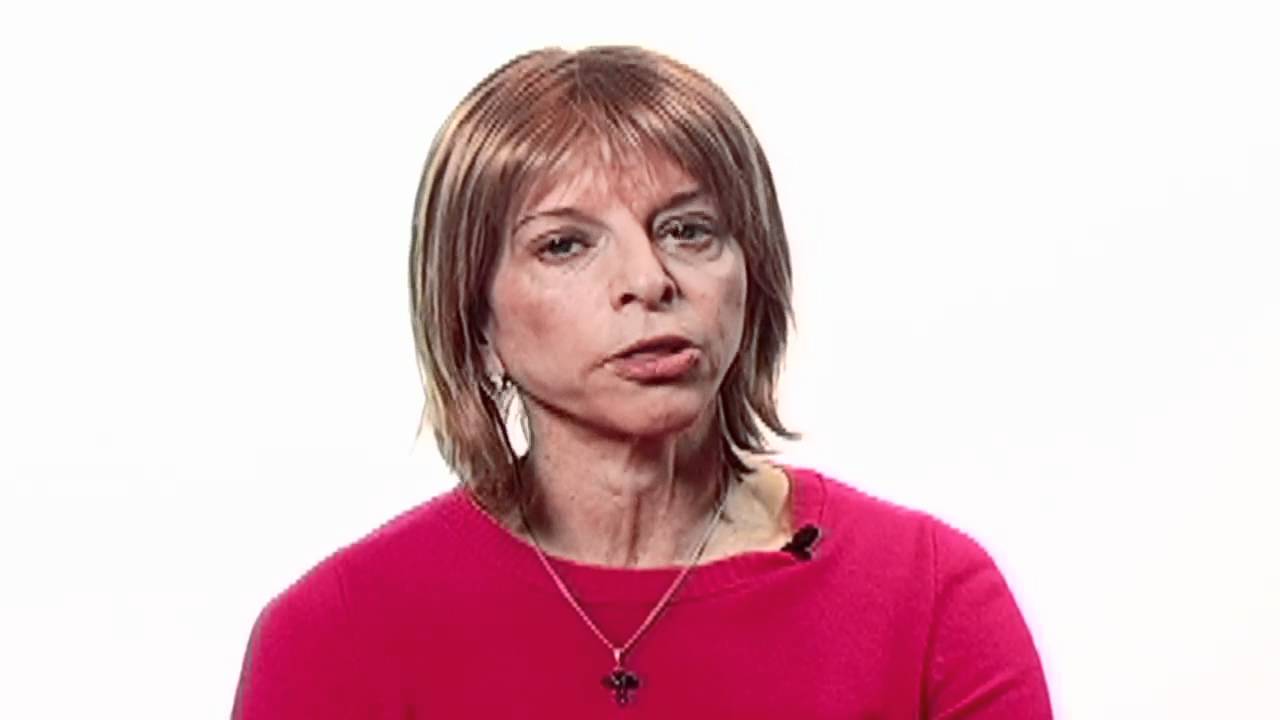
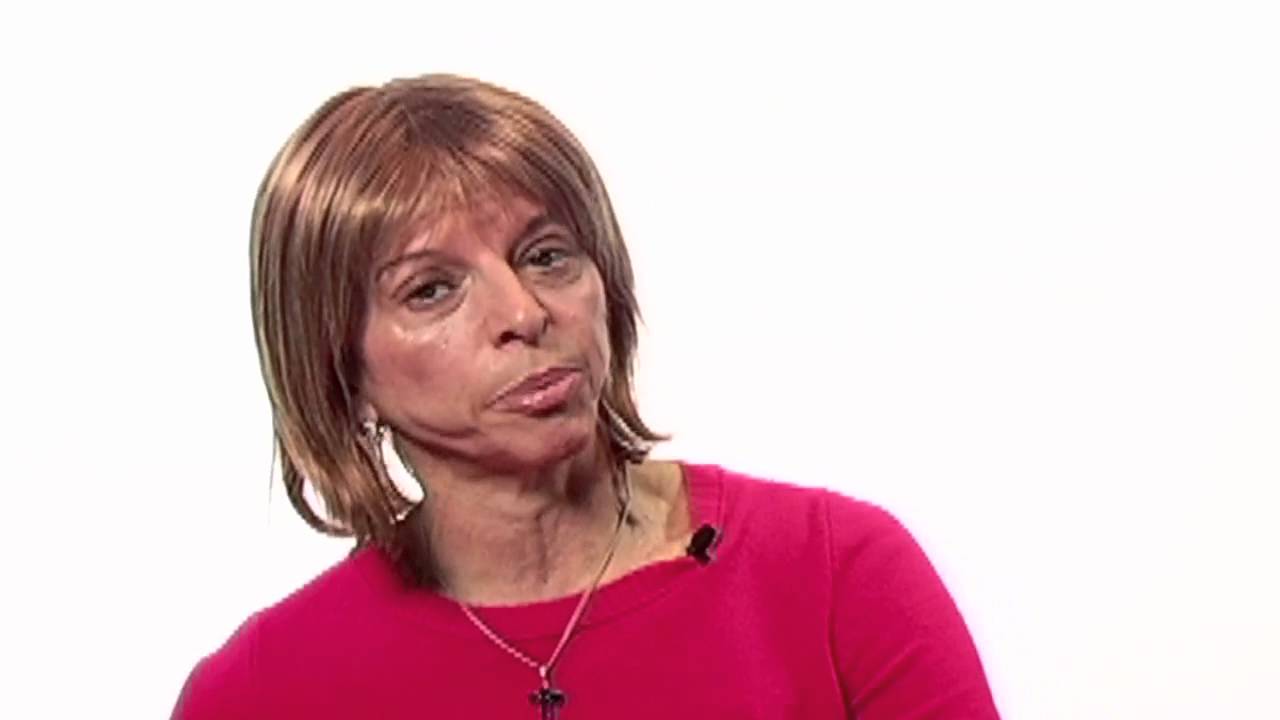
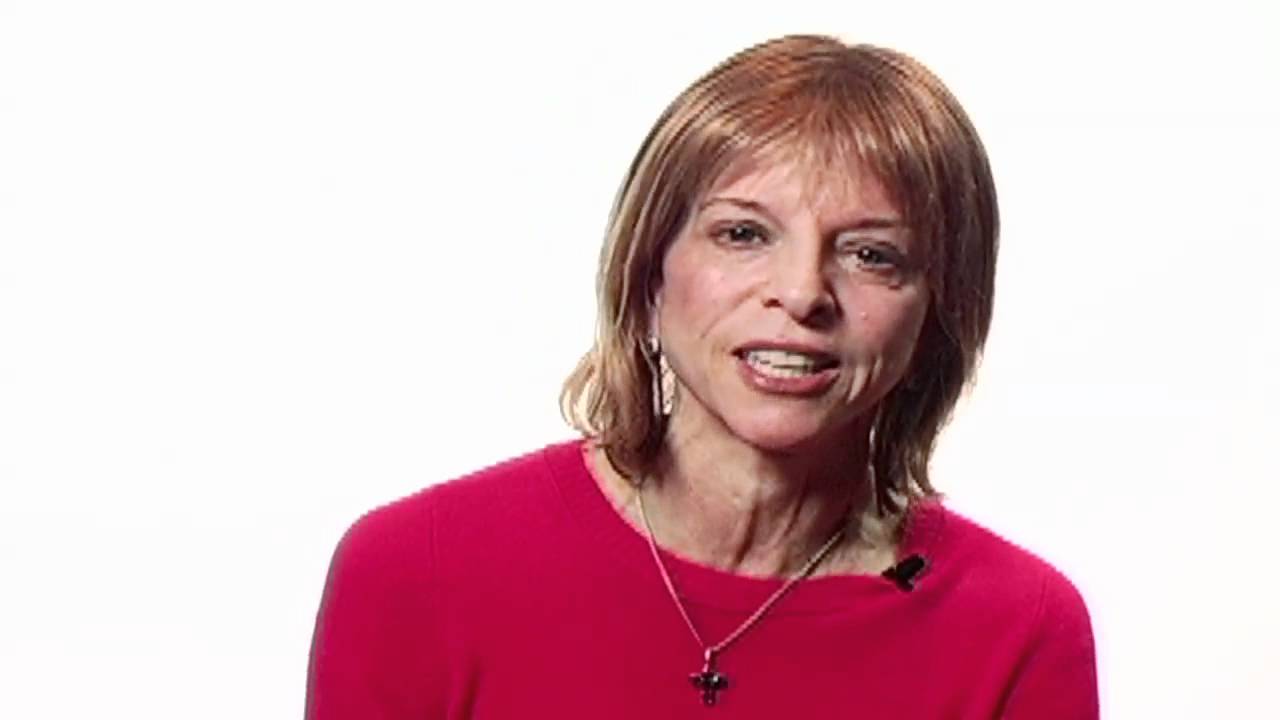
Dr. Gary Small:
Dr. Gary Small is a professor of psychiatry at the UCLA Semel Institute where he directs the Memory and Aging Research Center and the UCLA Center on Aging. Dr. Small invented the first brain scan that allows doctors to see the physical evidence of brain aging and Alzheimer’s disease in living people. He now leads a team of neuroscientists who are demonstrating that exposure to computer technology causes rapid and profound changes in brain neural circuitry. A leading experts on brain science, he has been named by Scientific American magazine as one of the world’s top innovators in science and technology.
----------------------------------------------------------------------------------
TRANSCRIPT:
Question: Are there any ways to prevent Alzheimer’s?
Gary Small: Right now, we don’t know the true cause for most cases of Alzheimer’s. There are some very rare cases where there is a genetic mutation, but for most people it’s not so clear cut. There are genetic risks, but there is also lifestyle issues that we’re beginning to learn about, so for example people who exercise regularly, get a lot of cardiovascular conditioning have a lower risk for getting Alzheimer’s disease. It’s probably that mental activity may protect us. Healthy diet, what’s good for your heart is also good for your brain, so a Mediterranean diet protects against Alzheimer’s disease. So there are many factors and there is probably drugs that people take that may protect against Alzheimer’s. Possible that anti-inflammatory drugs, maybe statins to lower cholesterol. We don’t know for sure so we don’t recommend these as preventive treatments. There is a lot we have to learn yet and the cause has not been pinpointed entirely, but there are a lot of interesting theories. There are little fibular protein deposits in the brain amyloid plaques and tangles that some people believe are causative. Oxidation may be an issue and so that’s why antioxidant foods as well as antioxidant vitamins may protect the brain and I think inflammation in the brain is also another key factor.
Question: Can you explain how inflammation is related to Alzheimer’s?
Gary Small: Basically inflammation is a process to correct problems in the body, so you know you get an inflammatory reaction if let’s say you get a splinter in your finger. It gets red. Cells attack the foreign body and this can go on anywhere in the body. What we find in Alzheimer’s disease there are these little amyloid plaques where there are elements of inflammation, little cells and debris that tells us that there in an inflammatory reaction. Now it’s possible that the abnormal insoluble plaque deposits create the inflammation, so the brain is trying to rid itself of the plaque or maybe there is something else going on, so we see that process in the brain and that’s why some of the strategies have involved using anti-inflammatory drugs to try to protect the brain.
Sentinel Indexing in Progress
Metadata and chapters are available. Claim extraction for this episode is pending.
All video content is delivered via YouTube embedded players in accordance with the YouTube Terms of Service. Sentinel provides research tools that promote discovery and accountability across political media.