Big Think
@bigthink·8.8M subscribers·10.1K videos
Power Moves, in Writing and Life | Robert Greene | Big Think
Posted
April 24, 2012
Views
19,913
Likes
326
Comments
14
Engagement
1.71%
April 24, 2012
19,913
326
14
1.71%
Every word spoken in this episode is indexed. Type any phrase to jump straight to the moment it was said.
Type any word or phrase that may have been spoken. Click a result to seek the player to that exact moment.
Try a name, a topic, or a quoted line
You’re on April 24, 2012. Earlier episodes are to the left, later ones to the right — the row keeps loading as you go. Click any card to open it.
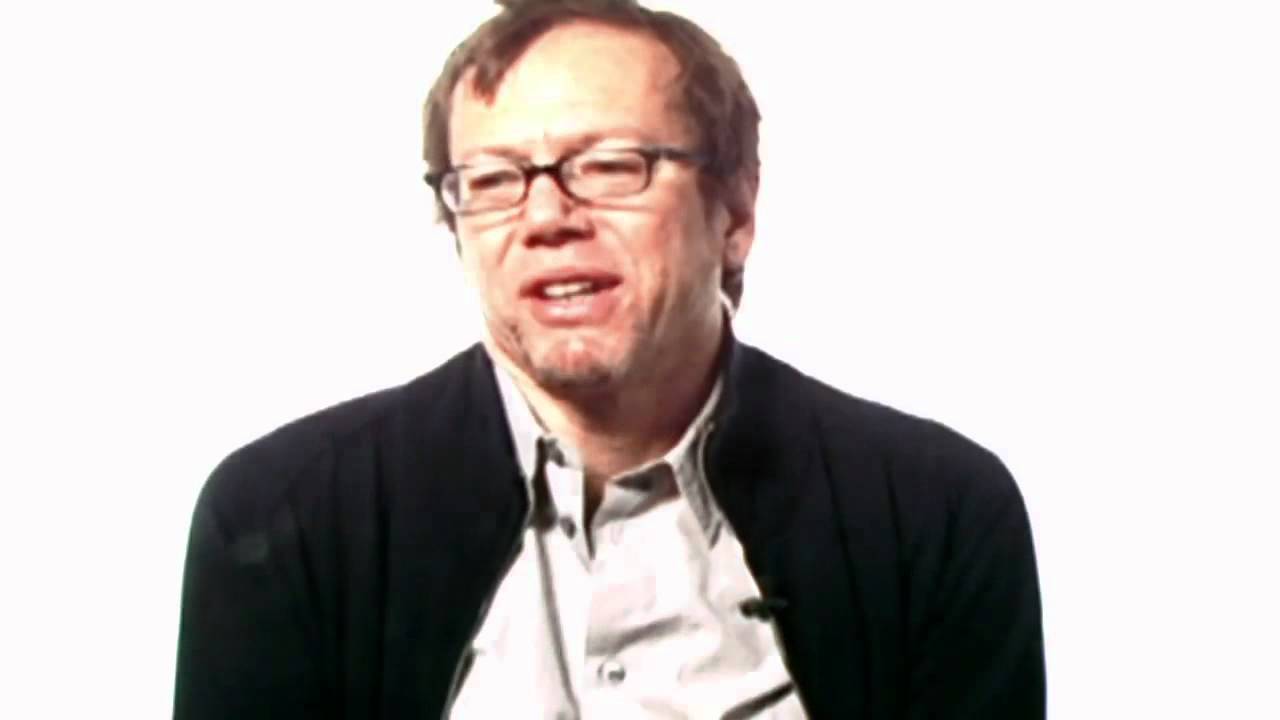 Apr 24, 20124:02Now Playing
Power Moves, in Writing and Life
New videos DAILY
Join Big Think Edge for exclusive videos
----------------------------------------------------------------------------------
Does Robert Greene practice the power and seduction strategies he preaches?
----------------------------------------------------------------------------------
Robert Greene:
Author and public speaker Robert Greene attended U.C. California at Berkeley and the University of Wisconsin at Madison, where he received a degree in classical studies. He has worked in New York as an editor and writer at several magazines, including Esquire, and in Hollywood as a story developer and writer. In 1995 he was involved in the planning and creation of the art school Fabrica, outside Venice, Italy.
He is the author of numerous volumes on power, strategy, war, and seduction, including the international bestseller "The 48 Laws of Power," "The Art of Seduction," "The 33 Strategies of War," and "The 50th Law," co-written with rapper 50 Cent. Greene currently lives in Los Angeles.
----------------------------------------------------------------------------------
TRANSCRIPT:
Question: Did you learn about power and seduction through research or practice?
Robert Greene: A combination of both. I’ve been working… My girlfriend and I once counted that I’ve had in my life 80 different jobs, never very long. I think the longest job I ever had was about 10 months, but in all sorts of different things from working for a detective agency to working in Hollywood and I’ve seen a lot of manipulative power moves enacted on other people and enacted on myself, so I had a storehouse of all this experience and all of this kind of bitterness and then I got the opportunity to write the first book and I just knew. I’d done a lot of research in Hollywood and in academia. I love research and so I wanted to kind of ground the book in history, in things that I read that were universal and timeless and then kind of let my own experiences sort of filter through all of this history.
Question: Do you still practice your own techniques, or are you detached from them?
Robert Greene: Well it’s a combination. I mean as a writer you know you don’t have to deal with a lot of the crap that most people deal with, the political things. Every couple of years when your book comes out then you have to go into these fights with the publisher and the publicist and then maybe I bring sort of my knowledge of power into play. I’m kind of a combination. I mean some of the things like crush your enemy totally I don’t practice that in my real life. Get other people to do the work, but take the credit, that was done to me. I don’t do that to other people, but some of the things like from The Art of Seduction and other particular laws of power that I usually rely upon, so it’s a mix of things.
Question: What’s a specific situation in which you’ve overcome powerlessness?
Robert Greene: Well you’re always feeling powerless in life, so early on when I was working in Hollywood as a writer I would work with a director or a film company and what… I would end up coming in, in the end and kind of writing whole scenes and then they would take it away from me and do whatever the hell they wanted with it or they would take my name out of the whole thing and the only thing you could do when you work for a giant leviathan like Hollywood in which they just swallow your individuality up is to leave it and I left it and I went and wrote books because… And oddly enough now I’m going back into it because we’re trying to make a film version of The 48 Laws of Power, but now I’ve got the power on my side because I wrote the book. They can’t mess with me. They don’t do what I want then they’re gone, but before there was nothing I could do, so I left. And I tell people a lot like if you’re in an abusive relationship or working for what we call a psychotic boss sometimes the only option is to leave because you’re emotions get so entangled with these manipulative people that staying there you’re just helpless because they’re good at these passive aggressive games and you’re not, so you have to leave. You know working on this… and I’m still in this situation, working on the new book. The 50th Law, I love 50 Cent. He is a wonderful person, but he is a celebrity and he is very busy and sometimes it’s difficult to get… I wanted to get more action from him on promoting the book. You know who am I to move someone like that? So I had to confront my own powerlessness in the situation and in the end he came through, but I had to kind of take a step back and just let things happen, which is often what you have to do in life.
Recorded on December 14, 2009
Interviewed by Austin Allen
Sentinel Indexing in Progress
Metadata and chapters are available. Claim extraction for this episode is pending.
All video content is delivered via YouTube embedded players in accordance with the YouTube Terms of Service. Sentinel provides research tools that promote discovery and accountability across political media.