Big Think
@bigthink·8.8M subscribers·10.1K videos
Creating Sculptures of Sound | Maria Schneider | Big Think
Posted
April 24, 2012
Views
712
Likes
10
Engagement
1.40%
April 24, 2012
712
10
1.40%
Every word spoken in this episode is indexed. Type any phrase to jump straight to the moment it was said.
Type any word or phrase that may have been spoken. Click a result to seek the player to that exact moment.
Try a name, a topic, or a quoted line
You’re on April 24, 2012. Earlier episodes are to the left, later ones to the right — the row keeps loading as you go. Click any card to open it.
 Apr 24, 20124:46Now Playing
Creating Sculptures of Sound
New videos DAILY
Join Big Think Edge for exclusive videos
----------------------------------------------------------------------------------
How one of America’s finest jazz composers brings music into “three-dimensional space,” and why writing for an orchestra can be an expression of love.
----------------------------------------------------------------------------------
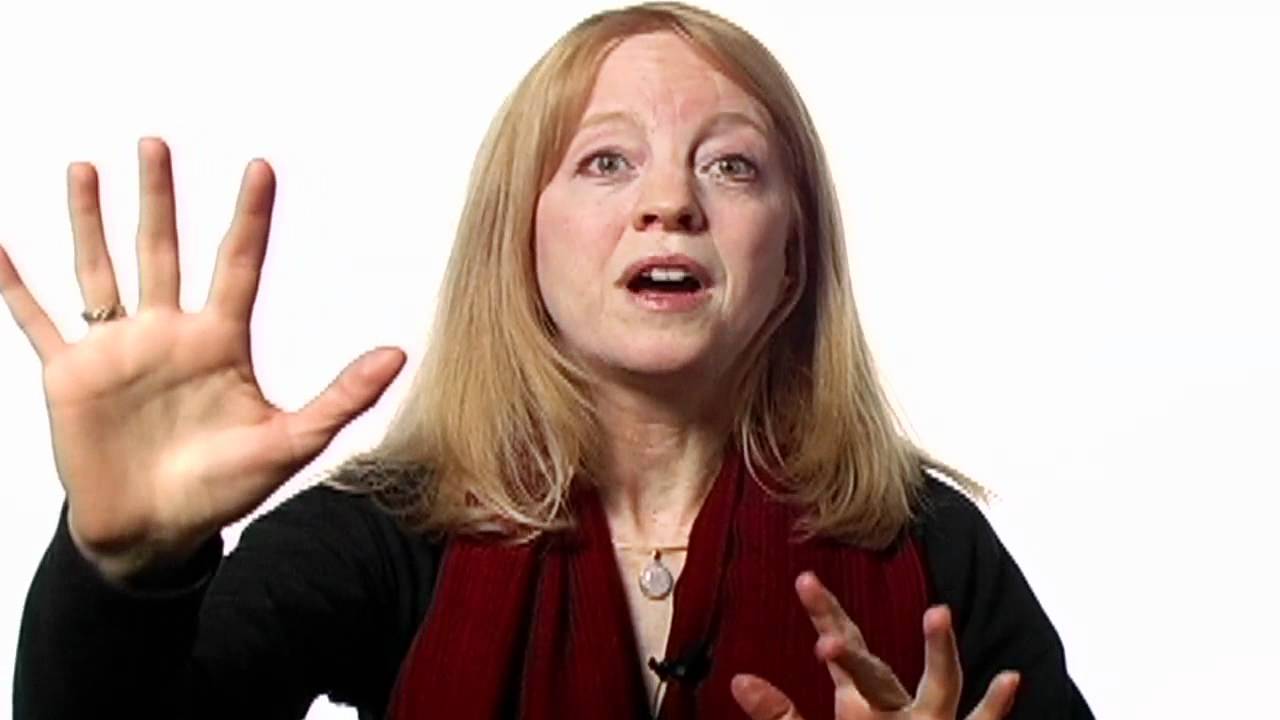
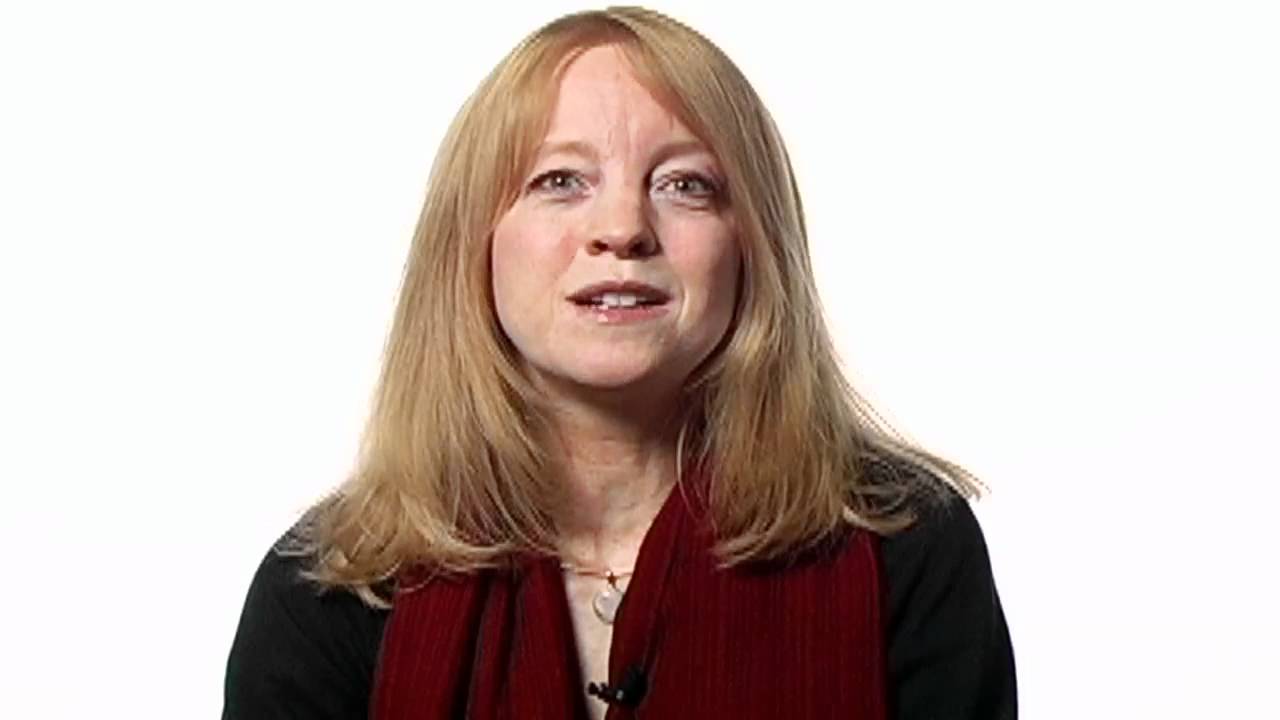
Maria Schneider:
Maria Schneider is a Grammy Award-winning American composer. Born in Windom, Minnesota, she became widely known through the orchestra she founded in 1992. They appeared at Visiones in Greenwich Village every Monday night for a stretch of five years. The Maria Schneider Orchestra has since performed at festivals and concert halls worldwide, and she herself has received numerous commissions and guest-conducting invites, working with over 80 groups from over 20 countries.
Schneider's debut recording, Evanescence, was nominated for two 1995 Grammy Awards. Her most recent recordings have brought two Grammy Awards, the first for 'Concert in the Garden' (Best Large Ensemble Album; the first record to win a Grammy with Internet-only sales) and the second for 'Cerulean Skies' (Best Instrumental Composition). Schneider's most recent work, 'Carlos Drummond de Andrade Stories,' was commissioned by the Saint Paul Chamber Orchestra for soprano Dawn Upshaw. She is currently working on a piece commissioned by the Kronos Quartet for a 2010 premier.
----------------------------------------------------------------------------------
TRANSCRIPT:
Question: How do you begin composing a piece of music?
Maria Schneider: Oh, it's just, it starts with just groping in a dark, you know, you feel like you're in a dark room just looking for a light switch. And, you know, it's just such a difficult process. But what I'm just looking for is just an inkling of a personality in sound. You know, I'm just searching for sounds, something that grabs me and says, "Hey, I could be something, you know?" And I'm looking for that sound and trying to find something that is good enough that I'm willing to take the journey that it takes to create a whole piece with that idea.
Question: Do you construct a piece part by part, or as a unified whole?
Maria Schneider: Well, in my case, I've worked with my own orchestra for so many years, I'm really composing for all the sounds and the people and the talents and the creative impulses I know all those people have, as opposed to just composing a piece and I can't really separate myself from that. So I would say that the individual sounds of the people, the abilities that I know they have for improvisation and everything, I'm composing to that. That being said, you know, sometimes I will, when I perform a piece, I'll mix solos around and change the piece around and suddenly somebody over here that I never imagined playing a certain solo, they bring something so magnificently new to the piece and I realize, "Oh! You know, I shouldn't typecast people because everybody has such a broad range of what they can say."
But, yeah, I love writing for people that I know because again, it's like that, it's the social aspect. You know, it's not me just writing a piece and wanting them to play it how I want it, but it's kind of almost like me giving them a gift and saying, "I hear all these beautiful things about you, I love you like this, I want to, you know, I see it sometimes like designing clothing for a beautiful model or creating a dance for a beautiful dancer and you just want to enhance their beauty.
Question: Do you hear ordinary sounds in terms of musical ideas?
Maria Schneider: I’ll say something and I’ll turn it around. What I’ll say is that when I’m working on, when I hear music and when I’m writing music, I see things. Like almost geometric, sculptural things. I once said to Terry **** actually, I said that I see my pieces like ephemeral sound sculptures. You know, that I see music like, that it has different levels of translucency, different hardnesses or softnesses of angles and maybe it’s even thinking about it architecturally.
Question: At what point do you move from solo composition to collaborative work?
Maria Schneider: Oh, I am working on a new piece and I have a rehearsal, I’ll bring in eight bars of something, if I want to hear it, or I’ll bring in half the piece. A lot of times I like to hear something when it’s not completed, because when I hear it and it’s suddenly pops into three-dimensional, four-dimensional space or whatever, then it really helps me feel where it needs to go.
Read the full transcript at
Sentinel Indexing in Progress
Metadata and chapters are available. Claim extraction for this episode is pending.
All video content is delivered via YouTube embedded players in accordance with the YouTube Terms of Service. Sentinel provides research tools that promote discovery and accountability across political media.