Big Think
@bigthink·8.8M subscribers·10.1K videos
Why Glass-Steagall Shouldn't Be Reinstated | Glenn Hubbard | Big Think
Posted
April 24, 2012
Views
876
Likes
1
Comments
7
Engagement
0.91%
April 24, 2012
876
1
7
0.91%
Every word spoken in this episode is indexed. Type any phrase to jump straight to the moment it was said.
Type any word or phrase that may have been spoken. Click a result to seek the player to that exact moment.
Try a name, a topic, or a quoted line
You’re on April 24, 2012. Earlier episodes are to the left, later ones to the right — the row keeps loading as you go. Click any card to open it.
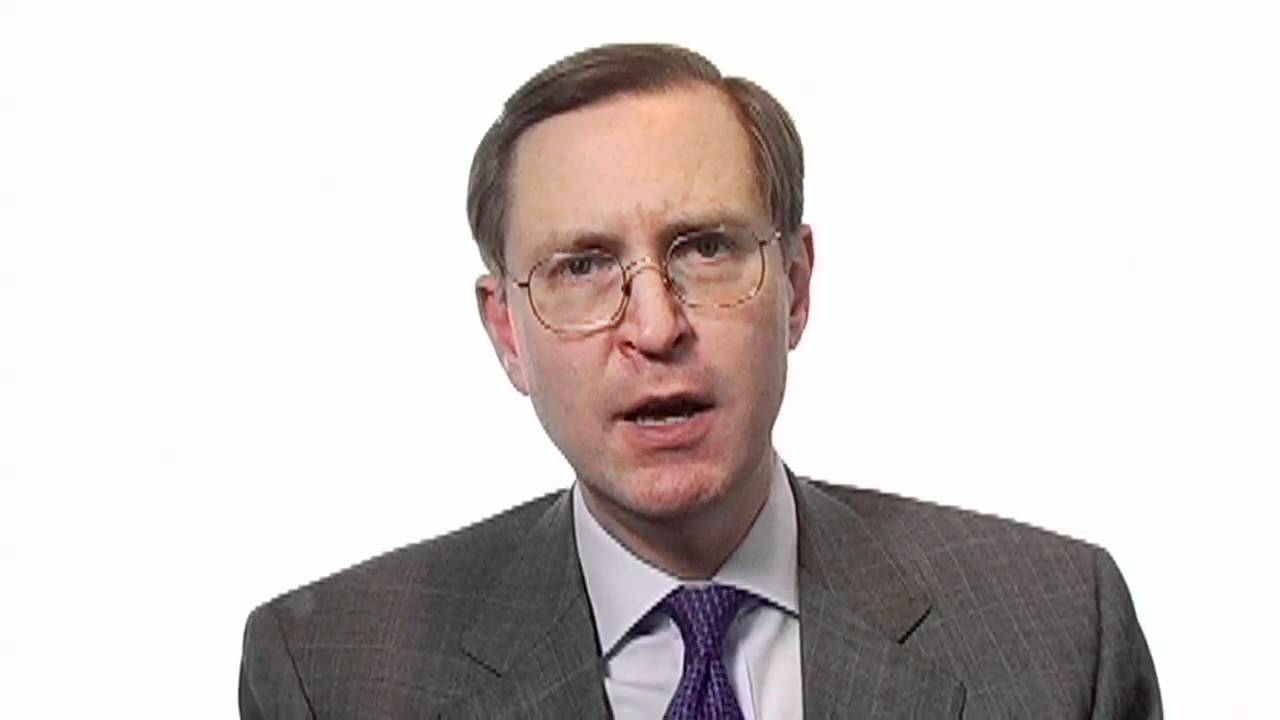 Apr 24, 20124:53Now Playing
Why Glass-Steagall Shouldn't Be Reinstated
New videos DAILY
Join Big Think Edge for exclusive videos
----------------------------------------------------------------------------------
Glenn Hubbard also rejects proposals to audit the Federal Reserve, and to put a cap on the size of large financial institutions.
----------------------------------------------------------------------------------
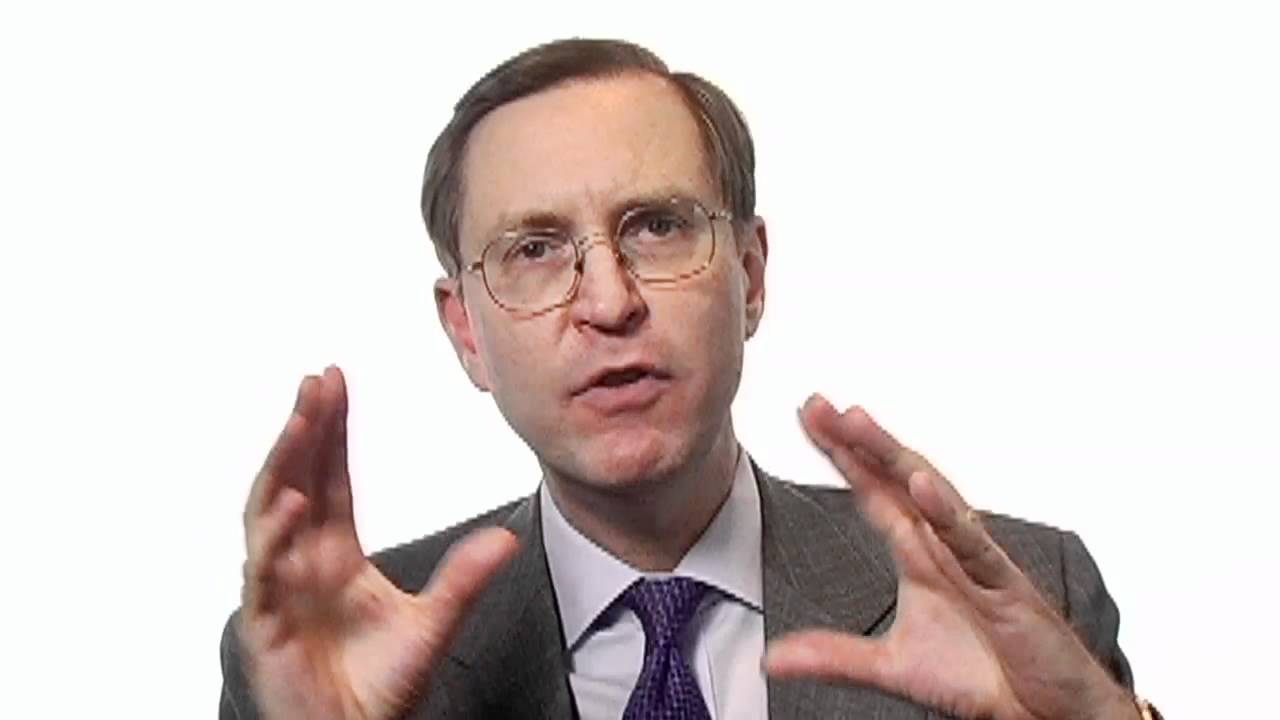
Glenn Hubbard:
Professor Hubbard is a specialist in public finance, managerial information and incentive problems in corporate finance, and financial markets and institutions. He has written more than 90 articles and books on corporate finance, investment decisions, banking, energy economics and public policy, including two textbooks, and has co-authored Healthy, Wealthy, & Wise: Five Steps to a Better Health Care System. In a recent book, Tax Policy and Multinational Corporations, he argues that U.S. tax policy significantly affects financing and investment decisions of multinational corporations. Hubbard has applied his research interests in business (as a consultant on taxation and corporate finance to many corporations), in government (as deputy assistant of the U.S. Treasury Department and as a consultant to the Federal Reserve Board, Federal Reserve Bank of New York and many government agencies) and in academia (in faculty collaboration or visiting appointments at Columbia, University of Chicago and Harvard).
----------------------------------------------------------------------------------
TRANSCRIPT:
Question: Who is most culpable for the crisis: Washington or Wall Street?
Glenn Hubbard: Well, I think it’s multiple factors. I think there are three causes, but they do all relate to policy, just not all the policymaker. One is the global imbalances that I think came about because of decisions in many emerging Asian economies to accumulate massive dollar reserves for their own policy objectives. China clearly the lead example here. Second was U.S. monetary policy in the periods, say 2003 to 2005 was clearly way too easy, poured gasoline on a flames of the emerging bubble. And the third, is the fact that it was too easy to do regulatory arbitrage. The capital standards weren’t as good as we thought. Some regulators clearly weren’t up to the task. So, I think all three of those were very important factors. So, they are policy contributions, but they’re not all one person’s failure.
Question: Do you agree with Paul Volcker and Mervyn King’s suggestion that we reinstate the separation of investment and commercial banking (Glass-Steagall), or do you buy Larry Summers’ concerns about international competitiveness?
Glenn Hubbard: I don’t. I think there are some very tough questions the Fed and other regulators will have to look at. It don’t think that Glass-Steagall, the separation of commercial and investment banking would have been terribly helpful here, in fact, there was some pure banks the got into trouble, there was some pure trading houses that got into trouble and in fact, where we had rescues it was precisely bringing together banking and non-banking, so I’m not sure that helps. There are also concerns people have about maybe should we draw bright lines about the size of banks? I’m not particularly persuaded that that’s useful either. I think there isn’t going to be a simple answer. I do think it involves better risk management, I think it involves stronger attention to capital requirements, but, no, I don’t think Glass-Steagall is the answer.
Question: What do you think of recent efforts by Ron Paul and others to audit the Federal Reserve?
Glenn Hubbard: Well I sense the Congressional frustration with the Fed. I think the Fed’s wondering into politics is bound to get the Congress’ attention. Congressman Paul introduced this bill, I don’t know how many times, but did not have much success until now. And I think the reason this success has happened now is the Fed has become a bit more political, too political, in my view. Having said that, I don’t think the Paul Bill is the right answer. The Fed of course already is audited in their accounting sense of that term. My concern with the Congress attempting to conduct its own monetary policy by pushing the Fed around, that I think is a decidedly bad idea.
Question: How would you rate Ben Bernanke’s performance as Federal Reserve Chairman pre-, during, and post-crisis?
Read the full transcript at
Sentinel Indexing in Progress
Metadata and chapters are available. Claim extraction for this episode is pending.
All video content is delivered via YouTube embedded players in accordance with the YouTube Terms of Service. Sentinel provides research tools that promote discovery and accountability across political media.