Big Think
@bigthink·8.8M subscribers·10.1K videos
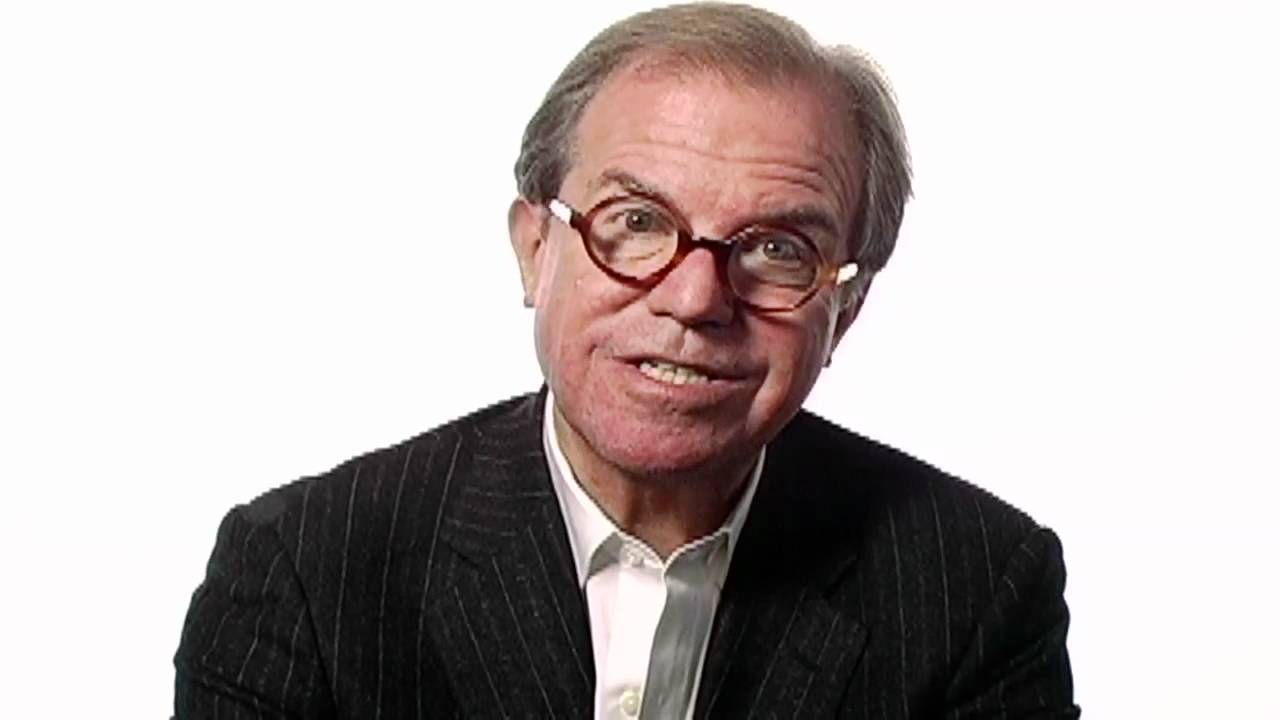
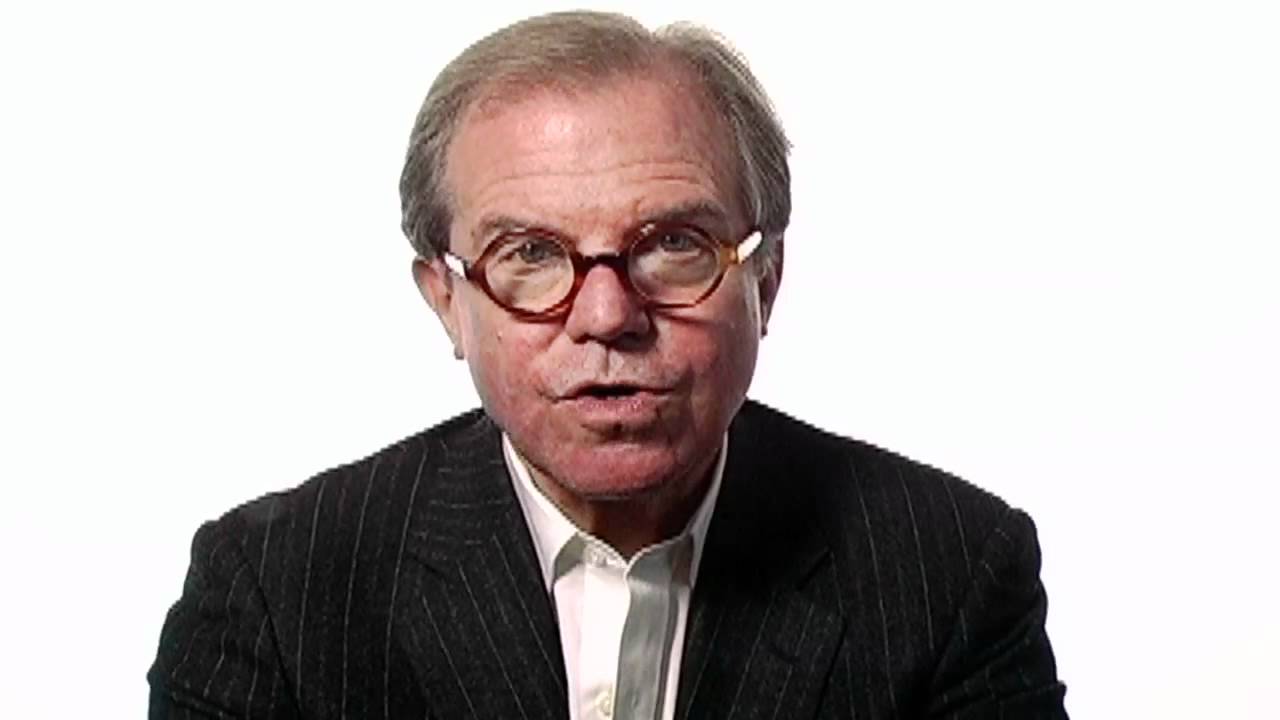
Big Think Interview With Glenn Hubbard | Big Think
Posted
April 24, 2012
Views
1,922
Likes
6
Comments
9
Engagement
0.78%
April 24, 2012
1,922
6
9
0.78%
Every word spoken in this episode is indexed. Type any phrase to jump straight to the moment it was said.
Type any word or phrase that may have been spoken. Click a result to seek the player to that exact moment.
Try a name, a topic, or a quoted line
You’re on April 24, 2012. Earlier episodes are to the left, later ones to the right — the row keeps loading as you go. Click any card to open it.
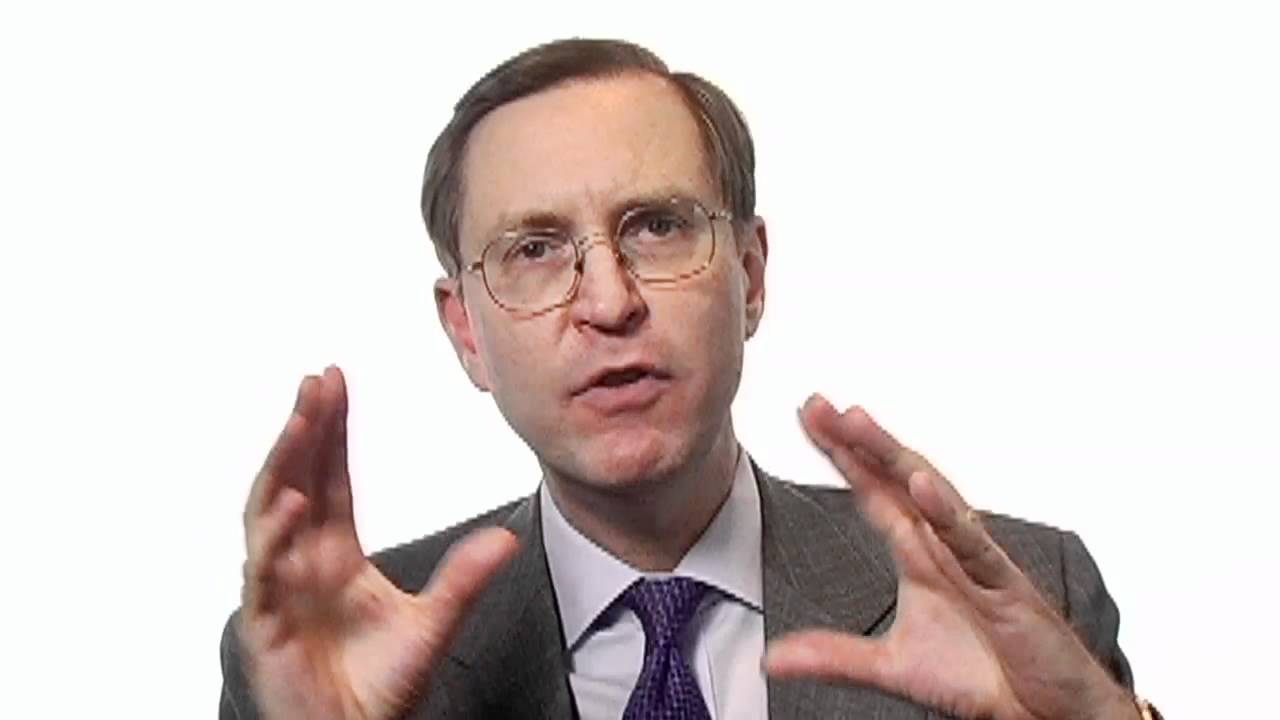 Apr 24, 201221:27Now Playing
Big Think Interview With Glenn Hubbard
New videos DAILY
Join Big Think Edge for exclusive videos
----------------------------------------------------------------------------------
A conversation with the dean of Columbia Business School.
----------------------------------------------------------------------------------
Glenn Hubbard:
Professor Hubbard is a specialist in public finance, managerial information and incentive problems in corporate finance, and financial markets and institutions. He has written more than 90 articles and books on corporate finance, investment decisions, banking, energy economics and public policy, including two textbooks, and has co-authored Healthy, Wealthy, & Wise: Five Steps to a Better Health Care System. In a recent book, Tax Policy and Multinational Corporations, he argues that U.S. tax policy significantly affects financing and investment decisions of multinational corporations. Hubbard has applied his research interests in business (as a consultant on taxation and corporate finance to many corporations), in government (as deputy assistant of the U.S. Treasury Department and as a consultant to the Federal Reserve Board, Federal Reserve Bank of New York and many government agencies) and in academia (in faculty collaboration or visiting appointments at Columbia, University of Chicago and Harvard).
----------------------------------------------------------------------------------
TRANSCRIPT:
Question: What are the disparate arguments for how we should tackle the aid crisis?
Glenn Hubbard: The real issue is the dire poverty in much of the world and what we can do about it. And the current aid debate has two poles. One pole says, well the real answer in the last, is we need to spend some certain fraction of GEP. The current target is maybe .7% on aid. To me as an economist, that pole has always seemed odd. We typically measure success or failure, not how much you spend. On the other end, there are well-meaning people who say, “You know what? For the past 40 years of aid have been a failure,” and they’re largely correct insofar as they’re talking about economic aid, “So, let’s stop doing that.” I don’t think that’s the right moral answer and I certainly don’t think it’s the right economic answer. We can do this.
Question: What is your idea for how to fix it?
Glenn Hubbard: The idea is really in two steps. The first is to step back and say, well what works. And if you look economies that have become prosperous, whether it’s historically or in the modern period, it’s about invigorating the local business center. That’s how the United States got rich, that’s how the west got rich, that’s how modern growth miracles in Asia and even in parts of Africa have happened.
One of the things we could do there is to focus much more economic aid on local business. And there in the book, The Aid Trap, I argue that we should go to the software of the Marshall Plan. People think of the Marshall Plan for Europe in 1947 to 1952 has being a grand aid scheme; it wasn’t that at all. The Marshall Plan loaned money to local businesses. It was only when that money got paid back that it went to governments and the entire plan was run by business people. Now Europe then is not the same as Africa now, but that same software could work.
Question: What are the nuts and bolts of it working?
Glenn Hubbard: Well, I think we first start with the big picture of institutional reform. President Bush implemented what was called the Millennium Challenge Account, which was a very good idea. It tried to condition the U.S.A. on institutional reforms that are pro-business, we need to keep that. But then we need to get the money directed to local businesses. And the way they do that would be to establish regional offices throughout Sub-Saharan Africa so some country specific, some region specific. Offices would compete for allocations of money based on reforms. Money would be given directly to local businesses, through local business people, through private equity, through U.S. business aid. And when that money is repaid, it could either be given to governments, if that’s the goal, or given directly in some recycling to other businesses. The Marshall Plan offers us a way to do that.
There are countries in Sub-Saharan Africa that are already making good progress along these lines. Rwanda comes to mind as a great example. The World Bank actually tries to measure the ease of doing business in a country, the so-called Doing Business Indicators. Rwanda has actually done very well at this in the past couple of years moving up 60 notches. So, there are come countries already doing this.
Question: Does this new Marshall Plan protect from corruption inherent in the aid process?
Read the full transcript at
Sentinel Indexing in Progress
Metadata and chapters are available. Claim extraction for this episode is pending.
All video content is delivered via YouTube embedded players in accordance with the YouTube Terms of Service. Sentinel provides research tools that promote discovery and accountability across political media.